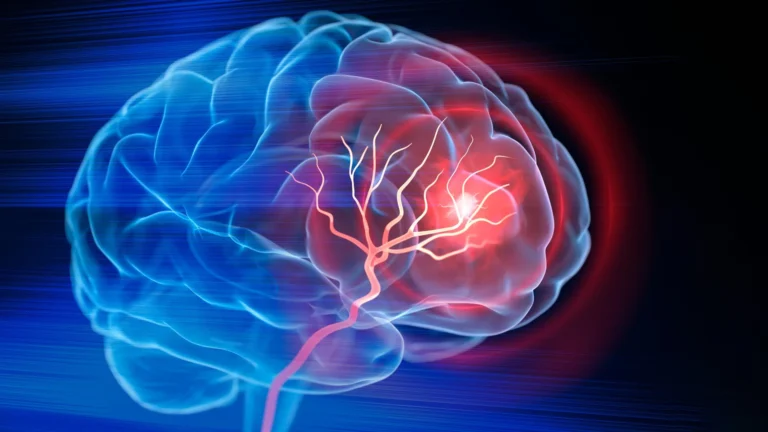








In a significant pivot for vascular neurology, an international team of researchers has uncovered evidence that threatens to dismantle the medical consensus surrounding lacunar ischemic stroke. For decades, the standard approach to preventing these strokes—which are a leading cause of disability and cognitive decline—has focused on the management of fatty plaque buildup. However, new findings published in the journal Circulation suggest that physicians have been fighting the wrong enemy, a revelation that may explain why common preventive treatments have consistently underperformed.
The Paradigm Shift: Beyond Fatty Plaque
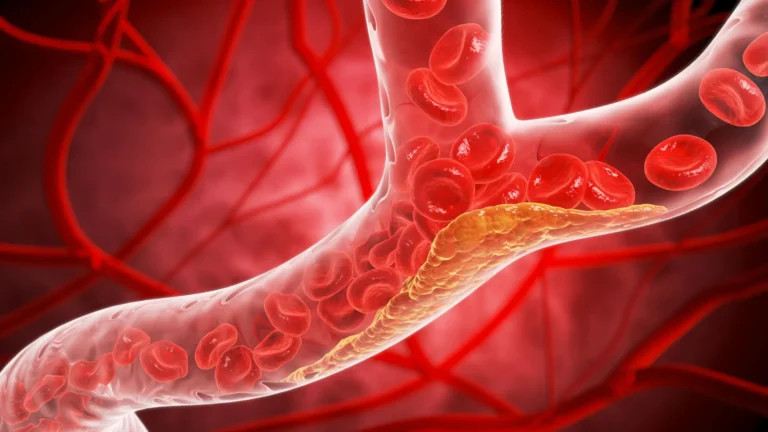
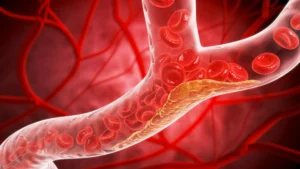
For years, the prevailing medical narrative posited that lacunar strokes—which occur deep within the brain’s smallest blood vessels—were primarily driven by the same mechanisms that cause heart attacks and large-vessel strokes: the accumulation of fatty, cholesterol-rich plaque that narrows arteries and restricts blood flow. Consequently, patients have been routinely prescribed antiplatelet therapies, such as aspirin, to prevent these blockages.
The new study, led by researchers from the University of Edinburgh and the UK Dementia Research Institute, suggests that this model is fundamentally flawed. Instead of narrowing due to plaque, the arteries responsible for lacunar strokes appear to be undergoing a process of pathological widening and elongation. This structural degradation of the brain’s microvasculature represents an entirely different disease pathway, one that standard "blood-thinning" medications are ill-equipped to address.
A Chronology of the Investigation
The journey to this discovery was rooted in a meticulous, longitudinal analysis of patient health. The research team recruited 229 participants who had recently experienced either a lacunar stroke or a mild non-lacunar stroke.
The Methodology
The research timeline spanned over a year, involving a rigorous assessment process:
- Baseline Evaluation: Shortly after their initial stroke, participants underwent extensive clinical and cognitive assessments.
- Advanced Neuroimaging: Each participant received high-resolution MRI brain scans to map the baseline state of their small vessel disease.
- The One-Year Follow-Up: A year later, the participants returned for a second round of clinical evaluations and follow-up MRI scans. This was the critical phase of the study, allowing researchers to monitor the progression of brain injury and the emergence of new, often "silent," ischemic events.
By comparing the structural changes in the brain’s arteries—specifically looking for the contrast between fatty narrowing and arterial widening—the team was able to differentiate between traditional atherosclerosis and the small vessel disease that defines lacunar strokes.
Supporting Data: The Case Against the Status Quo
The statistical evidence presented by the research team is compelling. While narrowing of large arteries is a hallmark of major ischemic strokes, the study found it had no meaningful correlation with the development of lacunar strokes.
Key Findings:
- The Widening Effect: Patients exhibiting widened and elongated arteries were found to be more than four times more likely to have suffered a lacunar stroke.
- The Silent Threat: Even with standard preventative treatments in place, more than one in four participants experienced new "silent" strokes during the one-year study window. These events—small, asymptomatic areas of brain tissue death—demonstrated that current medical protocols were failing to stabilize the microvascular health of the brain.
- Disease Progression: The data indicated a direct link between artery widening and the accelerated progression of small vessel disease, which is a major precursor to dementia and progressive cognitive decline.
Official Responses and Expert Analysis
The implications of these findings have sent ripples through the neurovascular community. Professor Joanna Wardlaw, a world-renowned expert in applied neuroimaging at the University of Edinburgh and a lead author of the study, underscored the gravity of the results.
"This study provides strong evidence that lacunar stroke is not caused by fatty blockage of larger arteries, but by disease of the small vessels within the brain itself," Professor Wardlaw stated. "Recognizing this distinction is crucial, because it explains why conventional treatments like antiplatelet drugs are not as effective for this type of stroke and highlights the urgent need to develop new therapies that target the underlying microvascular damage."
The research was a collaborative effort involving international experts from the UK, China, and Mexico. It received substantial backing from prestigious organizations, including the UK Dementia Research Institute, the British Heart Foundation, the Stroke Association, and the Wellcome Trust, reflecting the global consensus on the need to address the "missing link" in stroke prevention.
Implications for Future Treatment: The LACI-3 Trial
Perhaps the most optimistic outcome of this study is its immediate application to ongoing clinical trials. If the scientific community has been focusing on the wrong mechanism, it necessitates a change in the pharmacopeia used to treat high-risk patients.
The study is already informing the LACunar Intervention Trial 3 (LACI-3). Unlike previous trials that relied heavily on antiplatelet agents, LACI-3 is investigating the efficacy of drugs designed to protect and support the brain’s smallest blood vessels. Specifically, the trial is evaluating medications like:
- Cilostazol: A drug that may improve blood flow and protect the endothelium of small vessels.
- Isosorbide Mononitrate: Used to improve vascular health and potentially mitigate the structural degradation of micro-arteries.
The goal of these new treatments is not merely to prevent a secondary stroke, but to halt the long-term deterioration of memory, mobility, and cognitive function associated with persistent small vessel disease.
The Broader Impact: Small Vessel Disease as a Public Health Crisis
Small vessel disease is frequently described as a silent, invisible epidemic. Because it often manifests through subtle changes—such as slow cognitive decline, balance issues, or "silent" infarcts that don’t trigger immediate paralysis—it often escapes the level of clinical urgency afforded to large-vessel strokes.
However, the findings from the University of Edinburgh team suggest that by ignoring the mechanics of arterial widening, the medical community may have been inadvertently allowing a slow-moving neurological crisis to progress unchecked in millions of patients worldwide.
Shifting the Focus
The shift in focus from "fatty plaque" to "structural vessel integrity" marks a new era in neurology. It encourages clinicians to look past the standard lipid-lowering and anti-clotting protocols to consider:
- Vascular Protection: Developing drugs that strengthen the integrity of the vessel wall rather than just thinning the blood.
- Earlier Detection: Utilizing more advanced MRI techniques to identify the early signs of arterial widening before a full-blown stroke occurs.
- Holistic Management: Addressing the systemic factors that lead to vessel degradation, such as chronic hypertension and inflammatory responses that specifically target the brain’s micro-circulatory system.
Conclusion
The path forward for stroke prevention is no longer a straight line, but a complex map of microvascular health that requires a more nuanced approach. By identifying that lacunar stroke is a disease of structural arterial widening, researchers have provided the medical community with the "missing key" to unlocking better outcomes for patients.
While the transition to new, targeted treatments like those being tested in the LACI-3 trial will take time, the study published in Circulation serves as an urgent wake-up call. It is a reminder that in medicine, the most effective treatments are those that accurately reflect the underlying biology of the disease. For those at risk of lacunar stroke, this research offers more than just new data; it offers the hope of a future where silent strokes are no longer the inevitable, untreatable consequence of aging, but a manageable condition that can be halted before the damage is done.