










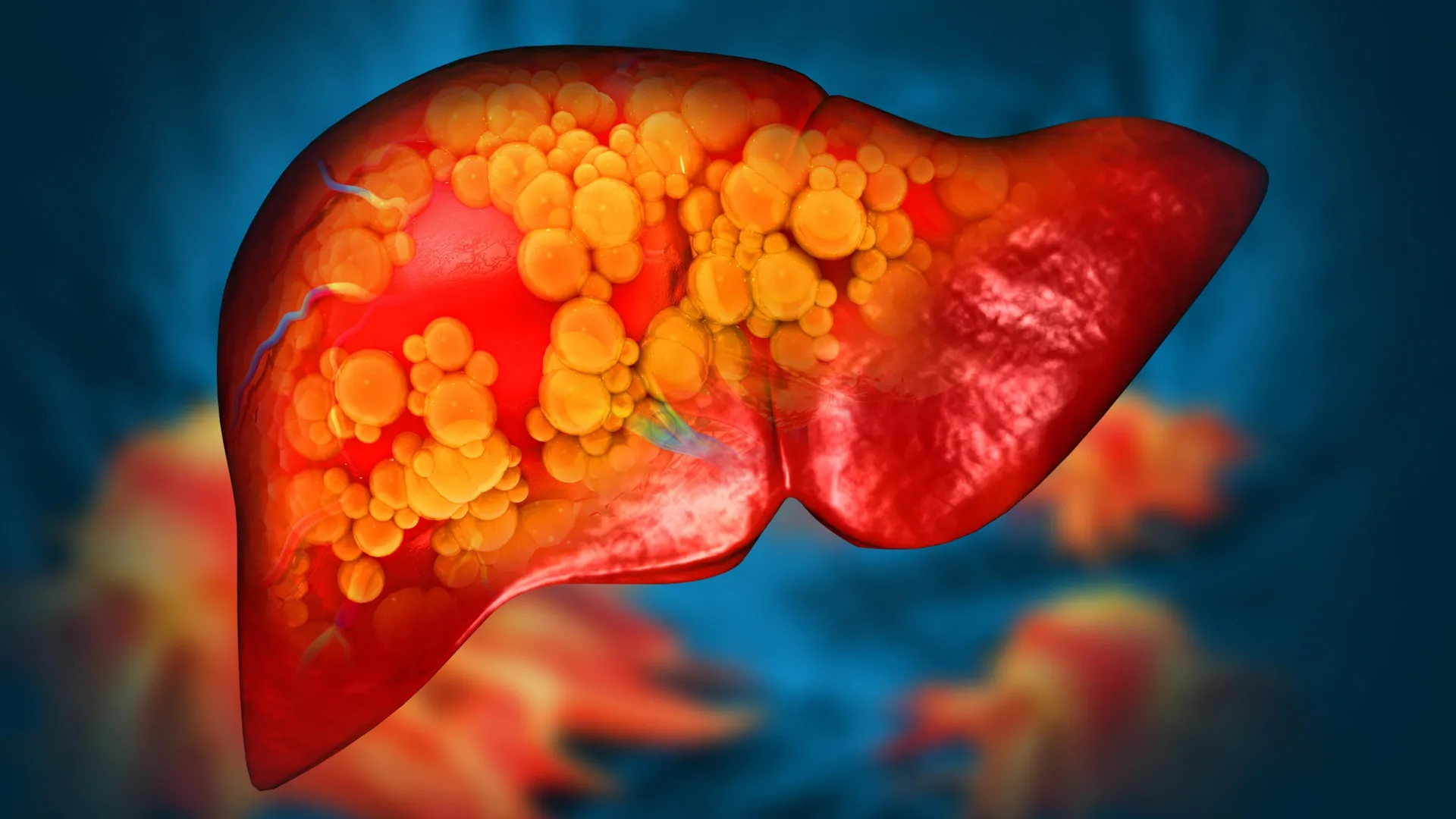
A breakthrough in the treatment of metabolic dysfunction-associated steatohepatitis (MASH)—an aggressive and often silent form of fatty liver disease—has emerged from the University of California San Diego School of Medicine. Researchers have unveiled findings from a Phase IIb clinical trial involving an experimental antisense therapy, ION224, which appears to halt the biological machinery responsible for fat accumulation within the liver.
As global rates of obesity and type 2 diabetes continue their upward trajectory, so too does the prevalence of MASH, a condition that can progress insidiously over years, eventually leading to cirrhosis, liver failure, or hepatocellular carcinoma. The findings, published in the prestigious medical journal The Lancet, offer a glimmer of hope for the millions of patients currently lacking targeted therapeutic interventions that address the disease’s underlying pathology rather than merely managing its symptoms.
The Global Health Crisis: A Silent Epidemic
To understand the significance of ION224, one must first appreciate the scale of the crisis it seeks to address. MASH is a sub-classification of metabolic dysfunction-associated steatotic liver disease (MASLD). It is estimated that one in four adults globally lives with some form of fatty liver disease. In the United States alone, the figure exceeds 100 million people.
The disease is often referred to as a "silent killer." In its early stages, MASH typically presents with no clinical symptoms, meaning that many individuals remain undiagnosed until the liver has sustained significant, often irreversible, scarring. When the liver becomes chronically inflamed due to fat deposits, the tissue begins to scar—a process known as fibrosis. If left unchecked, this scarring advances to cirrhosis, where the liver’s functional tissue is replaced by fibrous connective tissue, ultimately necessitating a liver transplant in the most severe cases.
The Science of De Novo Lipogenesis
The core innovation of ION224 lies in its mechanism of action. The drug is designed to inhibit an enzyme known as diacylglycerol acyltransferase 2 (DGAT2). In the landscape of metabolic health, DGAT2 is a major player in de novo lipogenesis—the biological pathway through which the liver synthesizes fat from carbohydrates.
"By blocking DGAT2, we are interrupting the disease process at its root cause," explains Dr. Rohit Loomba, principal investigator of the study and chief of the Division of Gastroenterology and Hepatology at UC San Diego School of Medicine. "We are effectively stopping fat accumulation and the resulting inflammation right at the source, inside the liver cells."
For years, the medical community’s strategy for treating fatty liver disease has been largely centered on lifestyle modifications—diet and exercise—aimed at weight loss. While weight reduction is undeniably effective, it is notoriously difficult to sustain for the long term, and many patients continue to suffer from liver degradation despite their best efforts. ION224 offers a different paradigm: a pharmacological intervention that targets the liver’s internal fat-production factory, potentially working independently of systemic weight loss.
Chronology of the Clinical Investigation
The journey to these findings began with the conceptualization of antisense oligonucleotide technology, a sophisticated method of drug design that allows researchers to "turn off" specific genes or proteins.
Phase I and Pre-Clinical Foundation
Prior to the recent trial, researchers established that inhibiting DGAT2 could prevent the development of liver fat in animal models. The goal was to prove that reducing hepatic fat would prevent the inflammatory cascade that leads to fibrosis. Once safety profiles were established in early-stage trials, the research team transitioned to a comprehensive Phase IIb clinical study.
The Phase IIb Trial Structure
The study enrolled 160 adults across the United States, all of whom had biopsy-confirmed MASH and varying degrees of mild to moderate fibrosis. The trial was designed as a randomized, double-blind, placebo-controlled study spanning 51 weeks.
- Intervention: Participants received monthly subcutaneous injections of ION224 at varying dosages or a placebo.
- Primary Endpoints: The researchers evaluated the reduction of liver fat, the resolution of inflammation, and the potential for fibrosis regression.
- The 51-Week Milestone: After nearly a year of treatment, the results were analyzed for safety, tolerability, and efficacy.
Supporting Data and Clinical Outcomes
The results of the Phase IIb trial were statistically significant and clinically encouraging. Approximately 60% of patients who received the highest dosage of ION224 exhibited a meaningful improvement in liver health, characterized by reduced inflammation and fat content, when compared to the placebo cohort.
Perhaps most importantly for clinical development, the drug demonstrated a favorable safety profile. Previous attempts to target fat metabolism in the liver have been hampered by systemic side effects, most notably dangerous spikes in blood triglycerides. ION224 successfully avoided these metabolic pitfalls. The participants generally tolerated the injections well, with no serious adverse events linked directly to the drug’s pharmacological action.
Official Responses and Expert Perspective
The medical community has reacted with cautious optimism. Dr. Loomba emphasized that the study represents a "pivotal advance" in hepatology. The ability to demonstrate a biological impact on MASH—without relying on systemic weight loss—positions ION224 as a potential cornerstone of future combination therapies.
"This is the first drug of its kind to show real biological impact in MASH," Dr. Loomba noted. "If these findings are confirmed in larger Phase III trials, we may finally be able to offer patients a targeted therapy that halts and potentially reverses liver damage before it progresses to life-threatening stages."
Collaborators from Ionis Pharmaceuticals, including Erin Morgan, Keyvan Yousefi, and others, have underscored that the success of this trial validates the antisense approach in chronic metabolic conditions. The study was funded by Ionis Pharmaceuticals, reflecting a significant investment in the potential of DGAT2 inhibition.
Implications for Future Treatment Strategies
The implications of this research extend far beyond the drug itself. The future of MASH treatment will likely be multi-modal. Researchers anticipate a landscape where patients are treated with a combination of therapies:
- Metabolic Stabilizers: Using drugs like GLP-1 agonists to address obesity and insulin resistance.
- Targeted Hepatology Agents: Using specialized drugs like ION224 to directly clear fat and prevent scarring within the liver.
- Lifestyle Intervention: Continued support for nutritional and activity-based changes to maintain metabolic health.
By separating the treatment of liver fat from the treatment of systemic obesity, physicians may be able to reach patients who have been historically "resistant" to traditional weight-loss-only approaches. Furthermore, the ability to potentially reverse fibrosis is the "holy grail" of MASH research. While the Phase IIb trial showed progress in stopping the disease, the long-term goal is to move from stabilization to full reversal of fibrotic damage.
What Happens Next?
The momentum from the Lancet publication now moves toward the critical hurdle of Phase III clinical trials. These larger studies are essential to confirm the efficacy and safety of ION224 across a much broader, more diverse patient population.
Regulatory agencies, including the FDA, will look for consistent, long-term data regarding fibrosis regression and the prevention of clinical events like cirrhosis and liver failure. If Phase III trials prove successful, ION224 could become one of the most significant tools in the hepatologist’s arsenal, potentially shifting the standard of care for millions.
As the global medical community watches the progression of this research, the story of ION224 stands as a testament to the power of precision medicine. By identifying the exact biological "engine" that drives liver disease, researchers are turning the tide against a condition that was once thought to be an inevitable consequence of the modern lifestyle. For those living with the quiet, persistent threat of MASH, this development provides not just data, but a path toward a healthier, more resilient future.