









In the high-stakes world of oncology, breakthroughs are often the result of decades of incremental progress. However, sometimes they stem from a singular, profound moment of clarity. For Dr. Xin Meng, a rising star in the field of hematology-oncology currently conducting vital research at Yale University, that moment arrived long before she walked into a modern laboratory. It arrived in the form of a young girl in her hometown, battling a disease that would eventually define Dr. Meng’s professional life: lymphoma.
Today, Dr. Meng is at the forefront of a paradigm shift in how we treat some of the most stubborn forms of blood cancer, specifically chronic lymphocytic leukemia (CLL) and mantle cell lymphoma (MCL). By leveraging existing pharmacological tools to disrupt the survival mechanisms of malignant cells, her work offers a beacon of hope for patients who have exhausted standard treatment options.
The Origin Story: A Foundation of Purpose
From a Small Town to the Forefront of Science
Dr. Meng’s trajectory into medicine was not fueled by academic pedigree alone, but by a visceral desire to alleviate human suffering. Growing up in a community where medical resources were scarce, she became a de facto advisor to those around her simply because she held an interest in the biological sciences.
The turning point came when a neighbor’s daughter was diagnosed with lymphoma. "Her mother, desperate for help, came to me because I was one of the few locals with a background in medicine," Dr. Meng recalls. She took on the role of an advocate, guiding the family through the complex healthcare landscape, helping them secure appropriate care, and even assisting in fundraising to cover the costs of treatment.
The recovery of that young girl was transformative for Dr. Meng. It was not merely a clinical success; it was a profound lesson in the tangible impact of medical research. "Seeing her recover and return to a normal life gave me a deep sense of purpose," she explains. "That experience made me realize the huge impact that effective treatments can have on patients and their families." This realization became the catalyst for her pursuit of advanced immunology studies at the Shanghai Medical College at Fudan University, setting the stage for her current, innovative research.
Decoding the Enemy: The Mechanisms of Resistance
Understanding CLL and MCL
To appreciate the gravity of Dr. Meng’s work, one must understand the nature of the diseases she targets. Chronic lymphocytic leukemia (CLL) and mantle cell lymphoma (MCL) are characterized by the abnormal proliferation of B-cells. While initial treatments for these cancers are often successful, the clinical reality is grim when these cancers recur or develop resistance to standard therapies. Once a patient reaches this stage, the biological survival mechanisms of the cancer cells become highly efficient, making them notoriously difficult to eradicate.
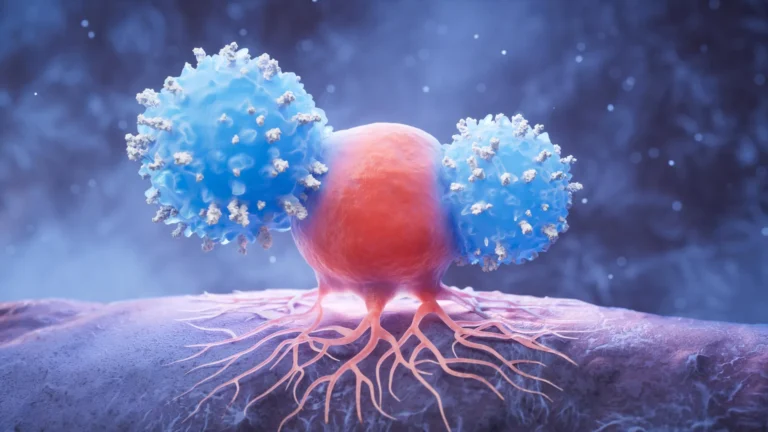
Dr. Meng’s research has uncovered a "chink in the armor" of these resilient cancer cells. Through rigorous experimentation, she identified a specific mechanism by which these cells clear out vital proteins to maintain their homeostasis and survival.
The Strategy: Biological Sabotage
Dr. Meng’s approach is elegant in its simplicity: she aims to stop the cancer from "cleaning house."
"When this removal process is blocked, the protein builds up in the cancer cells and triggers a chain reaction that shuts down the genes the cancer needs to survive—essentially turning its own biology against it," she notes. By inhibiting this protein-clearing pathway, Dr. Meng can force the cancer cell into a state of metabolic collapse, causing it to effectively self-destruct.
Accelerating the Timeline: Drug Repurposing
A Faster Path to the Clinic
One of the most compelling aspects of Dr. Meng’s current project is its focus on efficiency. In traditional drug development, bringing a new compound from the laboratory bench to the bedside can take upwards of a decade and cost billions of dollars.
Dr. Meng, however, is taking a different route. She has identified that certain drugs, which have already been approved for other conditions and have established safety profiles in human trials, possess the capability to interfere with the specific protein-removal process in CLL and MCL cells.
"The exciting part is that there are already existing drugs that can interfere with this removal process," says Dr. Meng. By identifying which of these existing medications work best against these specific cancers, her team is bypassing the most time-consuming hurdles of clinical safety testing. This approach, known as drug repurposing, could potentially offer patients access to life-saving therapies years ahead of schedule. Her team is currently working to determine the optimal combinations of these repurposed drugs alongside existing frontline treatments to maximize efficacy while minimizing toxicity.
The Human Impact: Institutional Support and Mentorship
The progression of Dr. Meng’s research has been significantly bolstered by the support of the Lymphoma Foundation. In the academic world, the "Valley of Death"—the gap between promising basic science and clinical application—is where many projects wither for lack of funding. The Foundation’s grant did more than just purchase reagents and pay for personnel; it served as a validation of Dr. Meng’s unique perspective.
"This grant affirmed that my background—coming from a small town, being part of a community where medical resources are limited—doesn’t limit my potential," Dr. Meng shares. "It told me that my perspective matters."
This support has fostered a culture of inclusivity in her lab, where the focus remains steadfastly on the patient. For Dr. Meng, the mission is personal. She views her work not merely as a contribution to the body of oncological literature, but as a fulfillment of a promise made to the community that shaped her. "It strengthened my commitment to keep working at the highest level—not just to advance science, but to give back to the people like those I grew up with, who need hope, answers, and better treatments."
Future Implications: What This Means for Patients
The implications of Dr. Meng’s research are far-reaching. If her hypothesis regarding protein accumulation proves effective in clinical trials, it could redefine the standard of care for relapsed or refractory CLL and MCL.
Key Takeaways for the Medical Community:
- Targeting Proteostasis: By focusing on the protein-removal machinery of malignant B-cells, Dr. Meng is tapping into a vulnerability common to many blood cancers, which could eventually be expanded to other types of lymphoma.
- Economic and Logistical Advantages: Utilizing FDA-approved drugs significantly lowers the barrier to entry for patients, as these medications are often already covered by insurance and have established manufacturing and distribution chains.
- Evidence-Based Synergy: By identifying how these agents interact with existing chemotherapies or immunotherapies, Dr. Meng is paving the way for "combination therapy" protocols that could overcome multi-drug resistance.
As Dr. Meng continues her work at Yale, she remains an inspiring figure for the next generation of researchers. Her journey illustrates that the most powerful weapon in the fight against cancer is not just advanced technology, but a relentless, empathetic drive to ensure that every patient—no matter where they are from—has access to the future of medicine.
"This Foundation didn’t just fund a project," she reflects. "They invested in a mission." That mission, characterized by scientific rigor and deep human empathy, continues to offer a new, promising chapter for those facing the uncertainty of a lymphoma diagnosis. As her research advances toward the clinic, the medical world watches with anticipation, hopeful that this innovative approach to cellular biology will translate into tangible, life-extending results for patients worldwide.