









In a stark assessment that has sent shockwaves through the corridors of Washington, the Government Accountability Office (GAO) has issued a sobering warning regarding the state of the United States Strategic Petroleum Reserve (SPR). According to a report made public this week, the nation’s primary defense against global energy shocks is currently suffering from a "perfect storm" of systemic underinvestment, crumbling infrastructure, and record-low inventory levels that threaten its ability to respond to future crises.
As of mid-2026, the SPR—once the crown jewel of American energy security—stands at its most vulnerable point since the early 1980s. With geopolitical tensions simmering in the Middle East and global oil markets characterized by extreme volatility, the watchdog’s report suggests that the U.S. may no longer have the "cushion" it needs to buffer the economy from sudden, severe supply disruptions.
The State of the Reserve: A Statistical Crisis
The numbers provided by the GAO paint a grim picture of operational degradation. As of December 2025, the reserve’s effective oil withdrawal capability had plummeted to approximately 61% of its original design capacity, while the ability to refill the caverns has stagnated at 56%.
Even more alarming is the status of the crude currently held in storage. As of late June 2026, the reserve held only 325.7 million barrels. To put this in perspective, this is the lowest level since 1983. A significant portion of this inventory—more than 25%—is currently inaccessible due to ongoing construction work and the failure of several salt caverns that have been taken offline for maintenance.
The decline has been precipitous. Following a massive 172-million-barrel release authorized by the Trump administration in March 2026 in response to the U.S.-Israeli conflict in Iran, the reserve was significantly depleted. When coupled with the 53-million-barrel loan program announced by the Department of Energy (DOE) in May 2026 to combat rising domestic gas prices, the SPR is effectively running on fumes.
Chronology of Depletion: From Security Buffer to Political Tool
To understand how the SPR reached this juncture, one must look at its historical evolution. Conceived in the wake of the 1973-1974 Arab oil embargo, the SPR was designed as a strategic deterrent against "energy blackmail." By storing crude in massive, underground salt caverns along the Gulf Coast of Texas and Louisiana, the U.S. ensured it could maintain domestic supply even if foreign oil flows were severed.
Key Milestones in the SPR Lifecycle:
- 1975: The Energy Policy and Conservation Act is signed into law, establishing the SPR.
- 1985–2013: A period of relative stability, where the reserve was primarily utilized for smaller, targeted test sales or minor emergency responses.
- 2014–2022: A dramatic shift in philosophy. Nearly 70% of all oil drawn from the reserve since 1985 was released during this decade.
- 2022: A 180-million-barrel emergency withdrawal is triggered by the escalation of the Russia-Ukraine conflict, marking one of the largest single releases in history.
- 2026 (March): A 172-million-barrel release is authorized by President Trump amid the Iran-Israel war, further straining the already diminished stockpiles.
- 2026 (May): The DOE initiates a 53-million-barrel loan program to stabilize volatile gas prices, drawing criticism from energy security hawks.
The Infrastructure Deficit: A System Operating on Borrowed Time
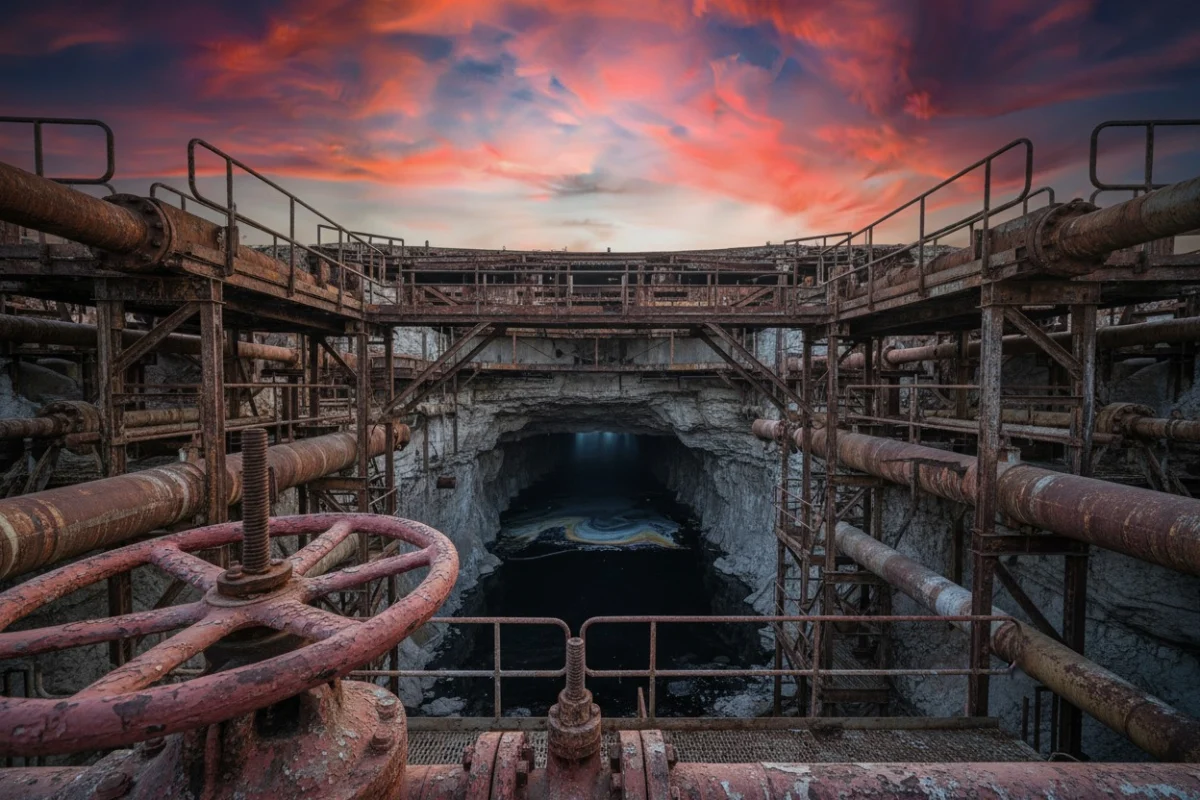
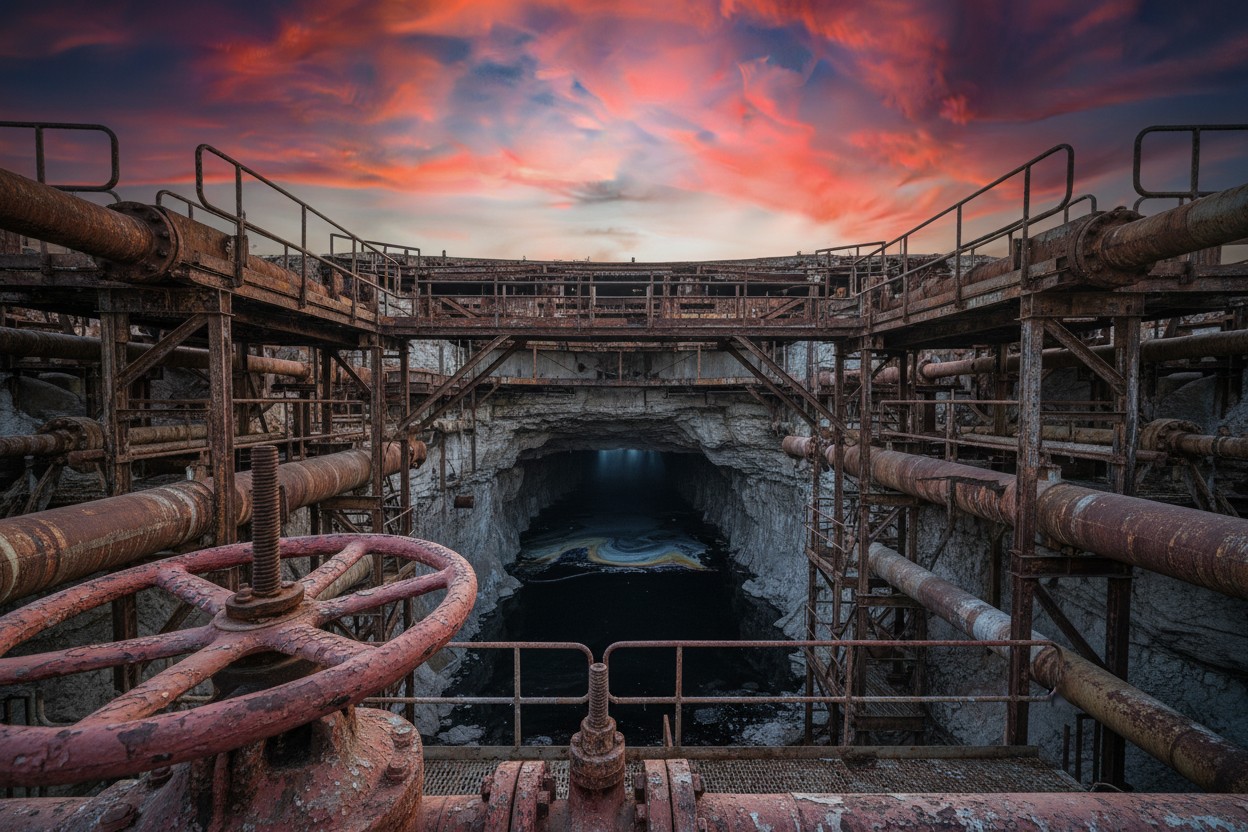
The GAO report is particularly scathing regarding the physical condition of the facilities. The infrastructure—pumps, pipelines, and specialized valves—was largely installed in the late 1970s and early 1980s. These components were designed with a finite service life, yet they remain the backbone of the system today, operating long past their intended expiration dates.
"Investments in the SPR are again not keeping pace with the aging reserve’s needs," the GAO stated. The report highlights a cycle of neglect where maintenance backlogs have been allowed to balloon to an estimated $230 million as of December 2025.
The flagship modernization effort, the DOE’s "Life Extension Phase 2" project, was meant to solve these problems. However, the project has been marred by frequent delays, budget overruns, and a significant reduction in scope. By the time the project is fully implemented, the GAO warns that other parts of the system may already be failing, creating a "Whac-A-Mole" scenario for engineers who are tasked with maintaining a system that is fundamentally decaying.
Operational Limitations and Strategic Gaps
Beyond the physical steel and concrete, there is a strategic failure. The DOE has not updated its long-term operational strategy for the SPR since 2016. In the decade since, the global energy landscape has undergone a seismic shift, yet the reserve’s management policy remains frozen in time.
The design capacity of the SPR is over 700 million barrels. In theory, this provides a massive buffer against market volatility. In practice, the current operational limit—61% of capacity—means that even if the government wanted to fill the reserve to its brim, it lacks the technical throughput to do so efficiently. This limitation directly threatens the nation’s ability to respond to future crises. If a major disruption occurs today, the U.S. is not only working with a smaller supply of oil but also a slower "delivery mechanism" to get that oil to market.
Official Responses and Political Implications
The Department of Energy has largely acknowledged the GAO’s findings, though officials point to the unprecedented nature of recent geopolitical shocks as the primary driver for the drawdowns. In a statement, a DOE spokesperson noted that the administration remains committed to replenishing the reserve, citing recent purchase contracts aimed at rebuilding inventory.
However, critics in Congress argue that the DOE’s efforts are "too little, too late." Republican and Democratic lawmakers alike have expressed concern that the SPR has been used as a tool for short-term political price management rather than long-term strategic security. By releasing oil to dampen gas prices, the government has arguably sacrificed long-term national security for short-term political convenience.
Global Context: A Changing Geopolitical Landscape
The urgency of the GAO report is magnified by the actions of international peers. As the U.S. struggles with infrastructure and inventory, other nations are moving in the opposite direction. India, for example, has aggressively expanded its strategic reserves in response to the volatility caused by the Middle East conflict.
This creates an ironic disparity: as the U.S. sees its primary energy hedge deteriorate, developing economies are viewing strategic storage as a non-negotiable pillar of national sovereignty. The U.S. is effectively losing its "energy insurance policy" at the exact moment when global competition for reliable fuel sources is reaching an all-time high.
Conclusion: The Path Forward
The GAO report serves as a wake-up call for policymakers. The mission of the SPR—to provide a secure buffer against supply shocks—is as relevant today as it was in 1975, yet the mechanisms to achieve that mission are failing.
To restore the SPR to its intended purpose, the U.S. must move beyond emergency drawdowns and prioritize a sustained, multi-year investment in both physical infrastructure and strategic policy. This includes:
- Accelerating Modernization: Prioritizing the completion of the Life Extension Phase 2 project without further scope reductions.
- Updating Strategy: Drafting a 2027-2037 Strategic Energy Security Roadmap that reflects modern market dynamics and the realities of modern warfare.
- Depoliticizing Drawdowns: Establishing stricter, non-partisan legislative criteria for when the reserve can be tapped, ensuring it remains an emergency tool rather than a political one.
- Addressing the Maintenance Backlog: Directly funding the $230 million maintenance deficit to ensure that the current storage capacity is fully operational.
As the United States faces a future of unpredictable geopolitical shifts, the Strategic Petroleum Reserve stands as a critical test of national resolve. Allowing this vital asset to decay is not merely an operational failure—it is a significant risk to the economic and national security of the nation. The history of the SPR proves that it is the ultimate safeguard against chaos; if that safeguard is allowed to erode, the U.S. may find itself unprepared when the next energy crisis inevitably arrives.