








For most, the rhythm of a Tuesday morning is defined by the mundane: the frantic scramble to pack school lunches, the hum of the morning commute, the quiet satisfaction of a grocery list checked off, and the late-night ritual of tucking children into bed. These acts, often dismissed as the "background noise" of existence, are, in fact, the very definition of a life well-lived. For Sharon Belvin and Jenney Bitner, two women who stared into the abyss of stage 4 melanoma, these ordinary moments are not just routines—they are hard-won victories.
Their stories, separated by nearly two decades of scientific progress, have converged in a profound narrative of survival, advocacy, and the life-altering impact of immunotherapy. It is a tale that underscores the evolution of cancer treatment from a grim, often futile fight to a landscape defined by hope, precision, and the persistent endurance of the human spirit.
The Weight of the "Terminal" Label
Sharon Belvin: The Pioneer
In the early 2000s, a diagnosis of stage 4 melanoma was effectively a death sentence. At just 22 years old, Sharon Belvin found herself in this harrowing position. The medical community had few tools at its disposal; the prognosis was bleak, and the future she had carefully mapped out seemed to be dissolving in real-time.
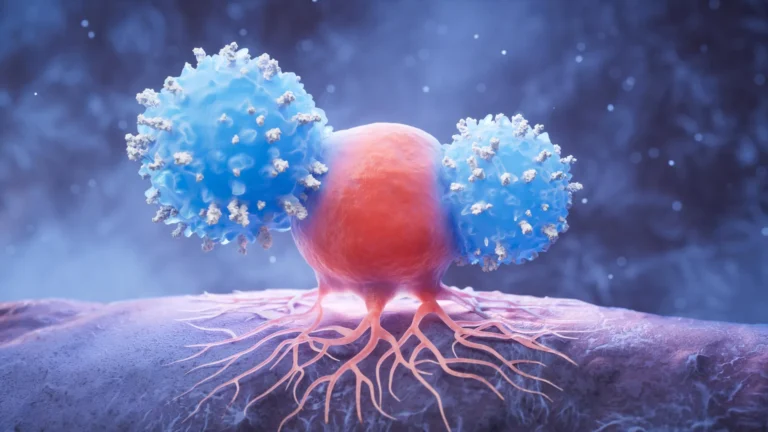
Sharon chose a path that was, at the time, considered a radical gamble: she enrolled in an early-stage clinical trial for immunotherapy. This was not a standardized treatment path; it was a leap of faith into the unknown, driven by the desperation of a young woman refusing to let her story end in her early twenties. Against all statistical odds, the treatment worked. Her cancer retreated, and she began the delicate process of reclaiming a life she thought she had lost.
Jenney Bitner: The Parallel Path
Fast forward to February 2020. The world was beginning to buckle under the weight of a global pandemic, but for Jenney Bitner, the crisis was internal. A mother navigating the complexities of parenthood, Jenney began experiencing persistent, debilitating headaches. The diagnosis was jarring: a brain tumor, the result of aggressive, stage 4 metastatic melanoma.
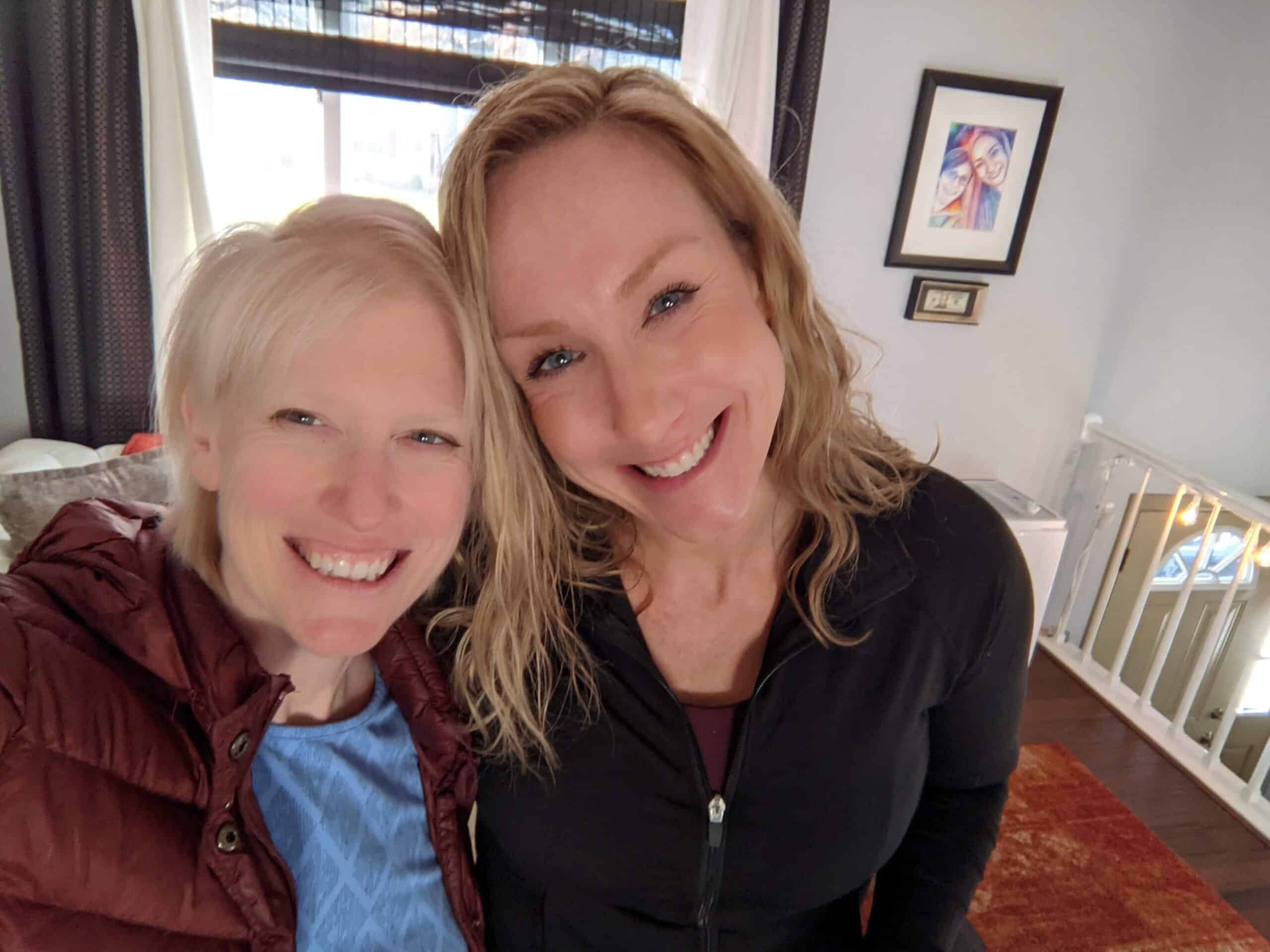
She faced the "ticking clock" of a terminal diagnosis while pregnant, a scenario that forced her to balance the immediate, visceral need to protect her unborn son with the brutal reality of her own survival. Like Sharon, Jenney’s journey was defined by a series of grueling medical interventions, including two major brain surgeries and the premature delivery of her child, all while confronting the existential dread of being a mother facing a potentially shortened lifespan.
Chronology of a Medical Evolution
The history of cancer treatment can be divided into the "Before" and "After" of immunotherapy.
- 2000s – The Frontier of Hope: Sharon Belvin’s initial treatment occurred when immunotherapy was in its infancy. Researchers like Jim Allison—whose story was later chronicled in the documentary Breakthrough—were beginning to understand how to "release the brakes" on the immune system to allow it to identify and attack cancer cells. Sharon was one of the early beneficiaries of this scientific frontier.
- 2020 – A Standard of Care: By the time Jenney Bitner was diagnosed, the scientific landscape had shifted dramatically. Immunotherapy had transitioned from an experimental, high-risk trial to a validated, standard-of-care treatment protocol.
- 2020-2021 – The Turning Point: In October 2020, following four rounds of advanced immunotherapy, Jenney’s scans revealed "no evidence of disease" (NED). The science that had saved Sharon decades earlier had matured into a more refined, accessible tool for patients like Jenney.
Supporting Data: The Impact of Immunotherapy
Immunotherapy has fundamentally changed the survival statistics for metastatic melanoma. According to data from the Cancer Research Institute and oncological studies, the five-year survival rate for metastatic melanoma was historically less than 10%. With the introduction of immune checkpoint inhibitors—the class of drugs utilized by both Belvin and Bitner—that survival rate has seen a massive surge.
Key Statistics:
- Long-term Remission: Clinical data indicates that a significant percentage of patients who respond to immunotherapy experience durable, long-term remission. Sharon Belvin’s 20-year milestone is a testament to the longevity of these results.
- Quality of Life: Unlike traditional chemotherapy, which often results in systemic, debilitating side effects, modern immunotherapy focuses on boosting the body’s own defense mechanisms, often allowing patients to maintain a higher quality of life during the treatment cycle.
- The "Pipeline" Effect: The time between the breakthroughs experienced by Belvin and Bitner represents the exponential growth in clinical trial efficacy, drug development, and patient outcomes over the last two decades.
The Meeting of Two Worlds
The connection between these two women was not merely coincidental; it was born of a promise. During her initial treatment, confined within the claustrophobic hum of an MRI machine, Sharon Belvin made a vow: if she survived, she would spend her life paying it forward.
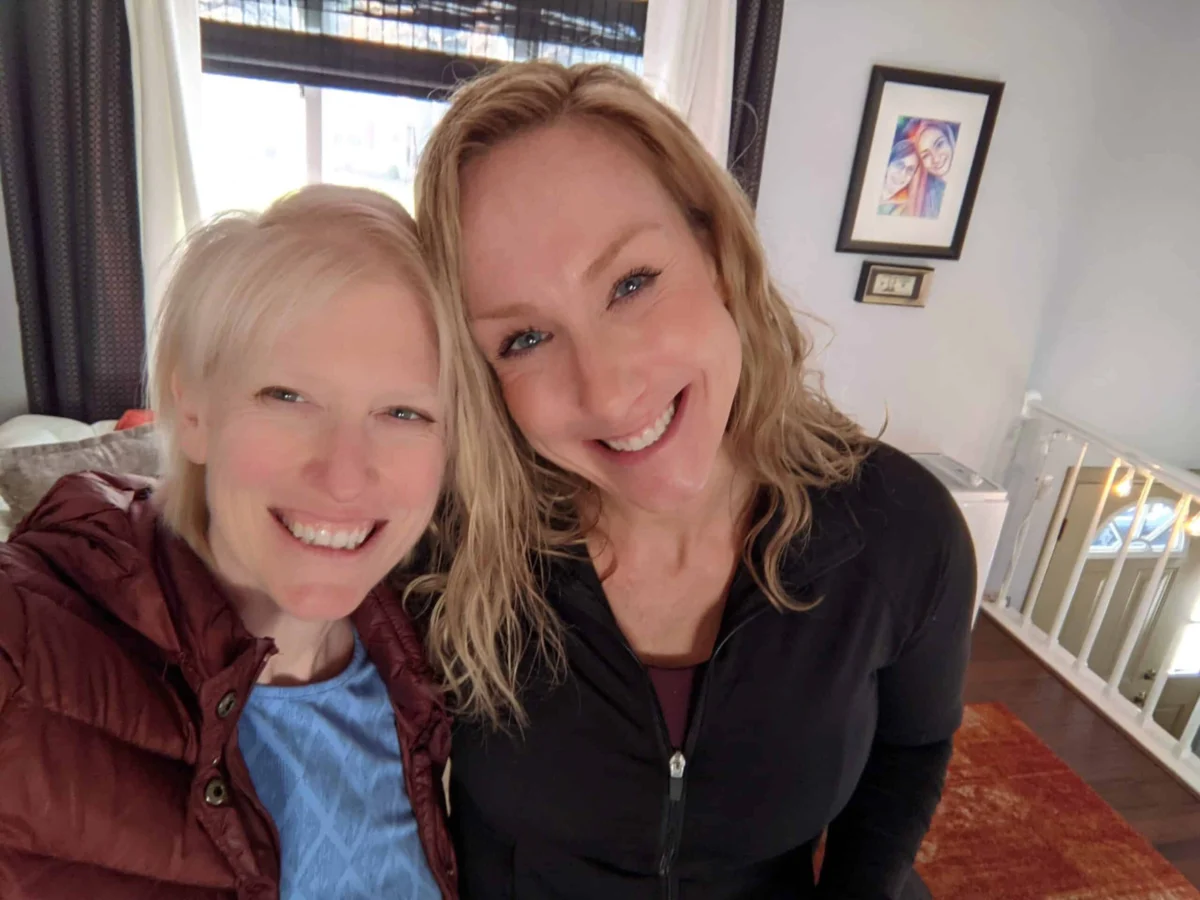
When Jenney Bitner’s husband discovered that Sharon, the woman featured in the documentary Breakthrough, shared a hometown connection with them, he reached out. That outreach ignited a friendship that has become a cornerstone of their respective post-cancer lives.
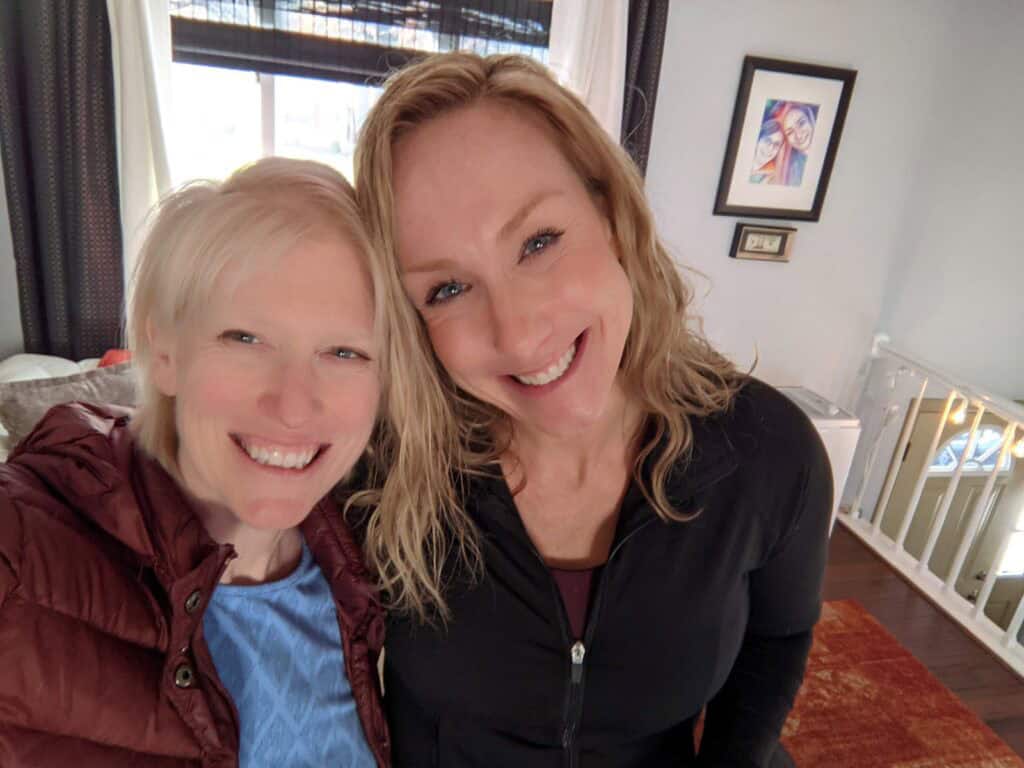
"I call it finding your family," Belvin has stated. "It’s the family you get to choose. It’s the worst club with the best members."
For Bitner, the connection was vital. "Cancer is such a lonely diagnosis. You feel like you’re the only one in the world who’s ever had it. But knowing that there are other people out there that you can connect with who are going through similar things—it’s vital for keeping you going."
Official Implications and Perspectives
The medical community views the relationship between patients like Sharon and Jenney as a critical component of the "survivorship" model. Oncologists and patient advocates increasingly emphasize that medical treatment is only one part of the equation; emotional, peer-based support is the other.
The Psychological Component
The psychological toll of cancer does not end when the scans turn clean. There is a persistent "weight of the near-miss"—the awareness that, at any moment, the narrative could have taken a different turn. The ability for survivors to discuss this specific brand of anxiety with those who have experienced it provides a level of validation that clinical counseling alone cannot always replicate.
Advocating for the Future
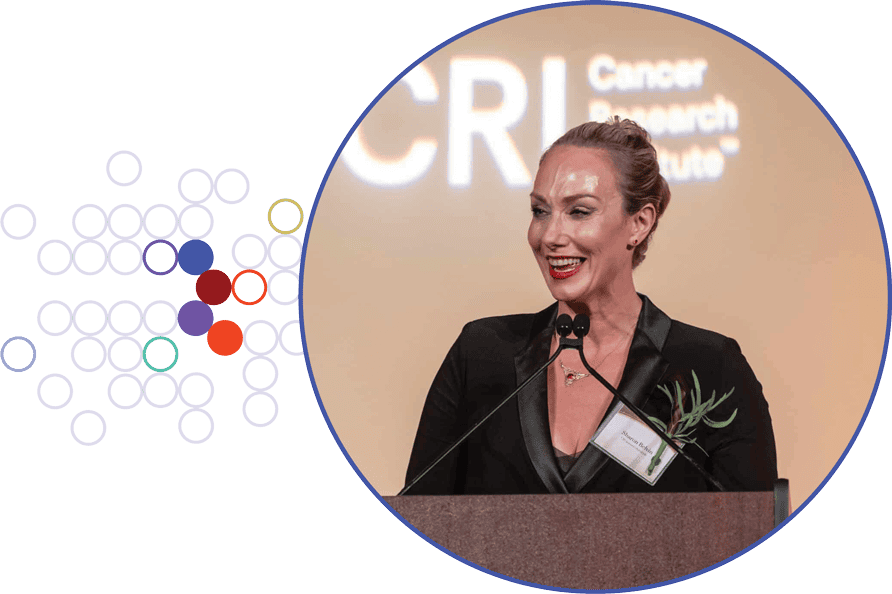
Sharon and Jenney have moved beyond being just patients; they have become advocates. By sharing their stories, they demonstrate that "survivorship" is a verb. It is a continuous, active process of living with the knowledge of what was almost lost. They serve as living, breathing evidence of the necessity of continued funding for cancer research. Their existence proves that investment in science is not just an abstract budgetary line item—it is the difference between a mother seeing her child grow up and a life cut short.
Conclusion: The Quiet Beauty of Routine
Today, Sharon and Jenney remain active in the patient community, providing counsel and companionship to those currently in the "thick of it." Their lives are a synthesis of profound gratitude and the quiet, mundane beauty of the everyday.
They understand, perhaps better than most, that the extraordinary is found in the ordinary. The school drop-offs, the grocery runs, the dinner preparations—these are not just tasks. They are the trophies of a war won.
"I feel like I did not appreciate life until it was almost gone," Bitner reflects. "And now every day is a gift, no matter how mundane."
Their story is a bridge between the past and the future of oncology. One woman paved the way by testing the limits of what was possible, and the other stands as a beneficiary of that bravery, living a life that was, until very recently, considered a scientific impossibility. Together, they represent a beacon for the thousands of patients currently navigating the uncertainty of a new diagnosis, reminding them that while the path is difficult, they are not alone—and there is, indeed, life after the diagnosis.