










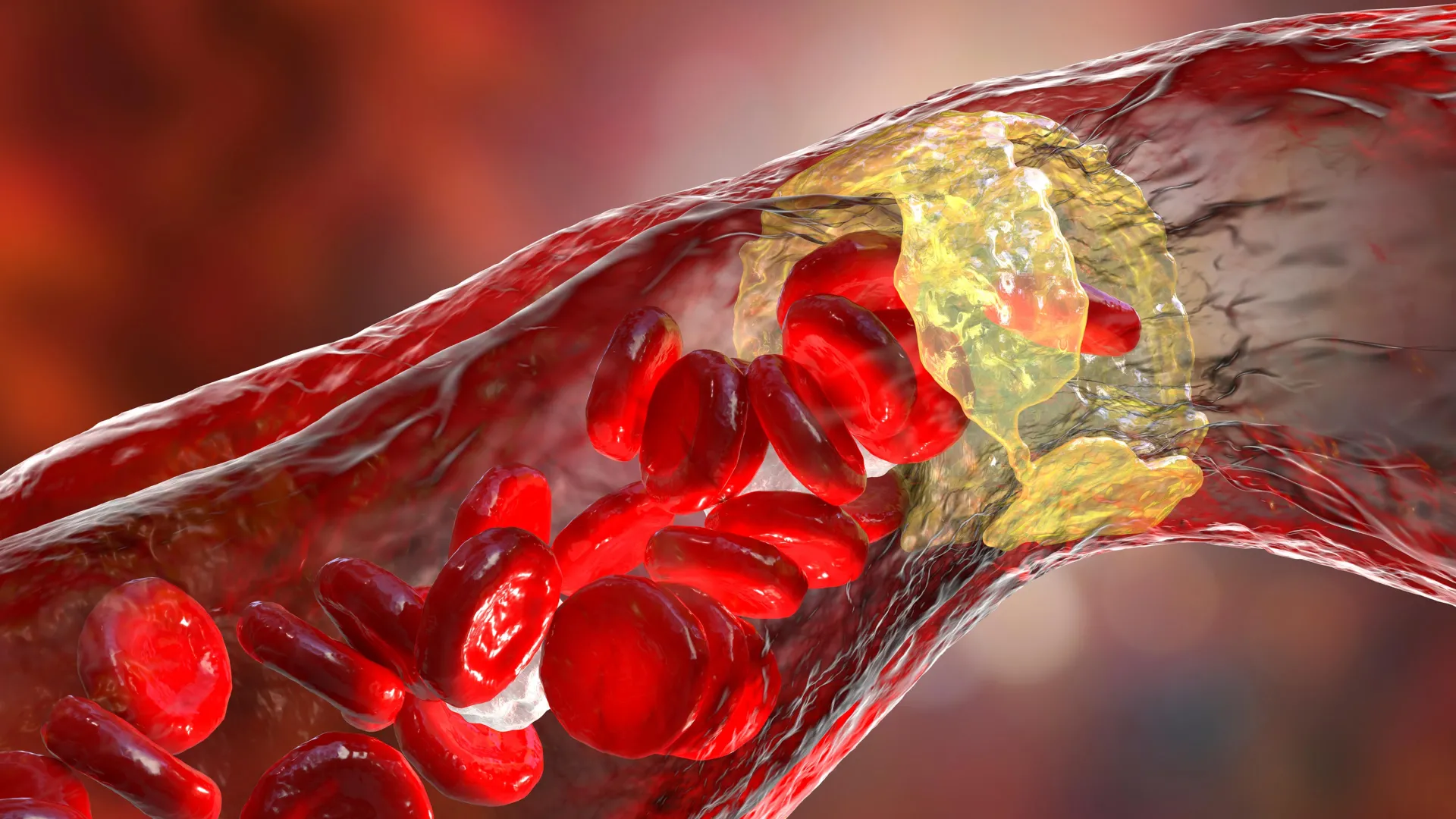
In a discovery that adds a new and troubling dimension to the global plastic pollution crisis, researchers at the University of California, Riverside (UCR) have identified a direct link between microplastic exposure and the acceleration of atherosclerosis—the hardening and narrowing of the arteries that serves as the primary precursor to heart attacks and strokes.
The study, published in the journal Environment International, suggests that these ubiquitous synthetic particles are not merely inert environmental contaminants but active biological disruptors capable of damaging the delicate inner lining of the cardiovascular system. Perhaps most intriguingly, the research revealed a stark, sex-specific disparity in how these particles affect arterial health, providing a potential roadmap for future cardiovascular medicine.
The Ubiquity of the Invisible
Microplastics—defined as plastic fragments smaller than 5 millimeters—have permeated every corner of the biosphere. They have been detected in the deepest ocean trenches, the highest mountain peaks, and, increasingly, within the human body. From the micro-fibers shed by synthetic clothing to the degradation of single-use food packaging and the particles suspended in our drinking water and air, humans are exposed to a constant "plastic rain."
Recent clinical examinations have even found these microscopic particles embedded within human atherosclerotic plaques. However, until the UCR team’s investigation, it remained unclear whether these particles were merely passive occupants of the plaques or active agents of arterial injury. The findings from the UCR School of Medicine provide compelling, albeit preliminary, evidence that microplastics act as direct contributors to the disease process.
Chronology of the Investigation
The research team, led by Changcheng Zhou, a professor of biomedical sciences at the UCR School of Medicine, employed a rigorous methodology to isolate the effects of microplastics from traditional cardiovascular risk factors.
Phase I: Experimental Design
To test the hypothesis, the team utilized LDLR-deficient mice—a standard, high-fidelity model for studying atherosclerosis. These mice were placed on a low-fat, low-cholesterol diet, mimicking the intake of a lean and healthy human, to ensure that the study results would not be skewed by obesity or metabolic syndrome.
Phase II: Controlled Exposure
For a duration of nine weeks, the mice were administered a daily dosage of microplastics equivalent to 10 milligrams per kilogram of body weight. This dosage was carefully calibrated to reflect levels of ingestion that could realistically occur in humans through contaminated food and water supplies.
Phase III: Observations and Sequencing
Throughout the nine-week trial, the team monitored the health of the mice, tracking weight gain and lipid profiles. Upon the conclusion of the trial, the researchers performed single-cell RNA sequencing to observe gene activity at the cellular level, specifically targeting the endothelial cells that line the arterial walls.
Supporting Data: The Male Susceptibility Gap
The results of the study were striking. While both male and female mice were subjected to the exact same environmental conditions and dosage, the impact on their cardiovascular health diverged sharply.
Quantifiable Plaque Growth
The male mice exposed to microplastics showed a dramatic acceleration in plaque formation. Specifically, they developed 63% more plaque in the aortic root—the base of the aorta—and a staggering 624% more plaque in the brachiocephalic artery, a critical vessel supplying blood to the head and arms.
The Female "Resilience"
Conversely, the female mice exposed to identical levels of microplastics showed no significant progression in plaque development compared to the control group. This outcome confirms that the arterial damage observed was not a universal result of ingestion, but one moderated by biological factors unique to the sexes.
Ruling Out Confounding Variables
Crucially, the research confirmed that the microplastics did not cause the mice to gain weight, nor did they alter cholesterol levels. Because the lipid profiles of the subjects remained unchanged, the researchers could definitively rule out traditional "lifestyle" risks like obesity or high cholesterol as the drivers of the heightened arterial damage. The culprits were, unequivocally, the plastics themselves.
Official Responses and Scientific Context
The lead researcher, Changcheng Zhou, emphasizes that while the mechanism is still being mapped, the findings align with established patterns in cardiovascular health.
"Our findings fit into a broader pattern seen in cardiovascular research, where males and females often respond differently," Zhou noted. "Although the precise mechanism isn’t yet known, factors like sex chromosomes and hormones, particularly the protective effects of estrogen, may play a role."
The study also shed light on the cellular "first responders" of the cardiovascular system. "We found endothelial cells were the most affected by microplastic exposure," Zhou explained. "Since endothelial cells are the first to encounter circulating microplastics, their dysfunction can initiate inflammation and plaque formation."
By using fluorescent microplastics, the team was able to physically locate the particles inside the arterial plaques, confirming that they congregate within the endothelial layer. Furthermore, the team observed that these particles activated harmful, pro-atherogenic gene pathways in both mouse and human cells, suggesting that the biological alarm bells triggered by microplastics are consistent across species.
Broader Implications for Public Health
The implications of this study are profound, suggesting that the global rise in cardiovascular disease might have a previously underestimated environmental component.
The Challenge of Avoidance
"It’s nearly impossible to avoid microplastics completely," Zhou acknowledged. Given their presence in the air, water, and food chain, complete avoidance is currently a logistical impossibility for the average consumer. However, the study advocates for a precautionary approach. Reducing the use of plastic containers for food and water, curbing single-use plastics, and minimizing the consumption of ultra-processed foods are the most effective mitigation strategies available today.
The Limits of Medical Intervention
Currently, there are no medical procedures or pharmaceutical interventions capable of "scrubbing" microplastics from the human bloodstream or tissues. Therefore, the researchers stress that minimizing exposure and maintaining traditional heart-health markers—through consistent exercise, balanced nutrition, and the management of blood pressure and cholesterol—remains the most robust defense against the unknown long-term risks posed by plastic accumulation.
Future Directions: The Path Forward
The UCR research team is already looking toward the next phase of the investigation. The study, which was supported in part by the National Institutes of Health, has opened several critical avenues for future inquiry:
- Decoding the Sex Gap: Why are males significantly more vulnerable? The team intends to explore how estrogen and other sex-specific hormones provide protection against microplastic-induced endothelial dysfunction.
- Particle Diversity: The current study used a specific type of microplastic, but the real-world environment is a "cocktail" of various sizes, shapes, and chemical compositions. Future research will investigate how different polymers and particle dimensions affect vascular health.
- Translational Research: The team hopes to expand their focus to human clinical data to see if the markers of endothelial dysfunction identified in the mouse model are present in humans with high environmental exposure to plastics.
"Our study provides some of the strongest evidence so far that microplastics may directly contribute to cardiovascular disease, not just correlate with it," Zhou said. As the global production of plastic continues to scale upward, this study serves as a urgent scientific call to action. By identifying the specific mechanisms through which these particles damage our arteries, researchers hope to move closer to both preventing this exposure and, eventually, developing treatments to mitigate the damage already done.
The collaborative effort involved researchers from UCR, Boston Children’s Hospital, Harvard Medical School, and the University of New Mexico Health Sciences, underscoring the cross-institutional urgency required to address what may be one of the most significant environmental health challenges of the 21st century.