









As the human body navigates the complexities of aging, one of the most common fitness goals for those over 50 is the reduction of stubborn abdominal fat. While many turn to high-intensity interval training or heavy gym machinery, there is a growing movement toward the elegance and efficacy of bodyweight training. Far from being "easier," these movements offer a sophisticated approach to core stability, metabolic health, and long-term functional fitness.
In an exclusive consultation, Echo Wang, a Certified Yoga Teacher and the founder of Yoga Kawa, explains why shifting the focus toward gravity-based resistance training is the most sustainable strategy for those looking to reclaim their vitality and shed unwanted belly fat in their later years.
The Science of Systemic Fat Loss After 50
The popular misconception regarding weight loss is that one can "spot-reduce" fat through endless crunches or localized exercises. However, experts like Wang emphasize that fat loss is a systemic process.
"Losing fat is systemic and requires consistency in terms of exercising, diet, rest, and controlling your stress levels," Wang explains. "Most people are unsuccessful in their fat-burning attempts due to the lack of control, core stability, and consistency in exercising after 50."
As we age, metabolic rate naturally shifts, and the hormonal environment—specifically cortisol levels—plays a significant role in how and where we store adipose tissue. Chronic stress, poor sleep quality, and a sedentary lifestyle act as catalysts for the accumulation of visceral fat. Therefore, a fitness regimen for the over-50 demographic must prioritize movements that not only build lean muscle mass to boost metabolic demand but also regulate the nervous system to mitigate stress.
Chronology of the Shift: From Machines to Mats
For decades, the fitness industry encouraged a "more is better" philosophy, pushing seniors toward high-impact treadmill running or complex machine-based circuits. However, the last decade has seen a paradigm shift. Physical therapists and movement specialists have increasingly advocated for "functional movement patterns"—exercises that mimic real-life activities while placing a premium on spinal health and joint longevity.
Bodyweight training has moved from the periphery of yoga studios to the center of evidence-based geriatric fitness. By removing the need for external loads, practitioners are forced to master their own centers of gravity, a process that inherently recruits deep stabilizing muscles that standard gym equipment often ignores.
The Expert-Recommended Four: Core-Centric Moves
Wang identifies four foundational movements that provide the maximum "bang for your buck" when it comes to engaging the core, improving posture, and increasing daily caloric expenditure.
1. The Cat-Cow Stretch
While often viewed as a simple warm-up, the Cat-Cow is a powerful tool for spinal mobility. By alternating between arching the back (Cow) and rounding the spine (Cat), you stimulate the nerves that run along the vertebrae.
- The Impact: Improving spinal flexibility reduces the rigidity that often accompanies aging. A more mobile spine allows for better engagement of the core during more strenuous movements, essentially "waking up" the muscles responsible for a flat midsection.
2. The Dead Bug
This move is the gold standard for teaching the body how to keep the spine neutral while the limbs are in motion. By lying on your back and slowly lowering opposite arm and leg, you create a dynamic challenge for the rectus abdominis and the deep transverse abdominis.
- The Impact: It trains the body to resist the urge to arch the back, which is a common compensatory pattern that leads to lower back pain. Mastering this move ensures that your abdominal muscles are doing the work, not your spine.
3. Glute Bridges
The posterior chain—the glutes, hamstrings, and lower back—is often neglected in sedentary individuals. Glute bridges involve lifting the hips toward the ceiling while lying on your back, which forces the core to stabilize the torso against gravity.
- The Impact: Strong glutes are essential for a healthy pelvis. When the pelvis is properly aligned, the abdominal wall is supported, allowing for better posture and a more "flattened" look in the waistline.
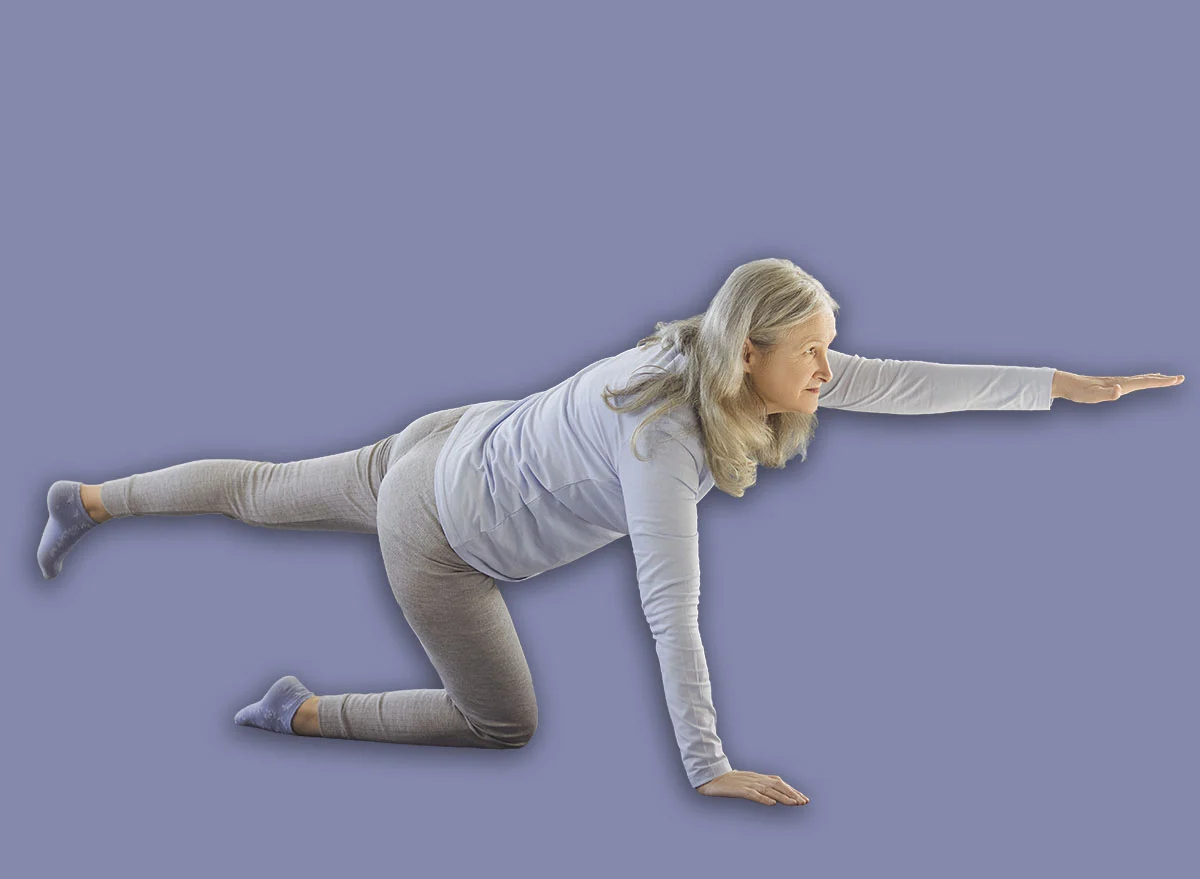
4. The Bird-Dog
This exercise requires you to extend the opposite arm and leg while in a tabletop position on all fours. It is a masterclass in cross-body coordination and balance.
- The Impact: By forcing the core to stabilize against the destabilizing effect of moving limbs, the Bird-Dog builds immense functional strength. It is particularly effective for those over 50 because it builds the balance required to prevent falls while simultaneously sculpting the core.
Supporting Data: Why Bodyweight Beats Machines
Why do these simple, gravity-based moves often outperform gym equipment for the over-50 population?
- Low Impact, High Recruitment: Gym machines often "lock" the user into a specific plane of motion. Bodyweight movements allow for a natural range of motion that recruits stabilizers, which increases the total number of muscle fibers firing during a single repetition.
- Accessibility and Consistency: The greatest barrier to fitness is the "barrier to entry." When your gym is your living room, the likelihood of completing a workout on a busy or rainy day increases exponentially. Consistency is the primary variable in long-term weight management.
- Neuroplasticity: Movements like the Bird-Dog and Dead Bug require brain-body coordination. Engaging the nervous system in this way keeps the brain sharp and improves proprioception, which is the body’s ability to sense its position in space.
Implications for Longevity and Quality of Life
The implications of adopting a bodyweight-centric routine go far beyond aesthetics. Belly fat is not merely a cosmetic concern; it is a metabolic marker. Visceral fat—the type that surrounds the internal organs—is associated with an increased risk of cardiovascular disease, type 2 diabetes, and chronic inflammation.
By prioritizing core stability, individuals are essentially investing in an "insurance policy" for their later years. A strong core translates to better posture, fewer instances of chronic back pain, and a higher capacity for daily activities like carrying groceries, playing with grandchildren, or traveling.
Furthermore, Wang notes that the psychological benefits of these exercises are profound. "Focusing on what your body can do rather than what it looks like is the key to mental longevity," she says. "When you feel your core getting stronger, your confidence shifts. You aren’t just losing fat; you are gaining a sense of agency over your physical future."
Official Recommendations for Success
To effectively implement this routine, Wang suggests the following framework:
- Frequency: Aim for 15–20 minutes of these movements, four to five days a week.
- Dietary Synergy: Remember that you cannot out-train a poor diet. High-protein intake is critical after 50 to prevent muscle wasting (sarcopenia).
- Stress Management: Integrate deep breathing with these exercises. The Cat-Cow, in particular, is an excellent time to practice diaphragmatic breathing, which lowers cortisol and helps the body release stubborn fat stores.
- Listen to the Body: If a move causes sharp pain, stop and adjust. The goal is to build strength, not to invite injury. Use mirrors or video recordings to ensure your form aligns with professional tutorials.
Conclusion: A Holistic Path Forward
The quest to reduce belly fat after 50 is not a race, but a marathon of lifestyle adjustments. By embracing the simplicity of bodyweight training, individuals can bypass the expensive, intimidating, and often ineffective trends of the fitness industry.
Through the consistent application of movements like the Bird-Dog and the Dead Bug, combined with a mindful approach to diet and stress, you are not just targeting the midsection—you are upgrading the performance of your entire body. In the golden years of life, strength is the ultimate currency. With these four foundational moves, you are well-equipped to spend that currency wisely.