








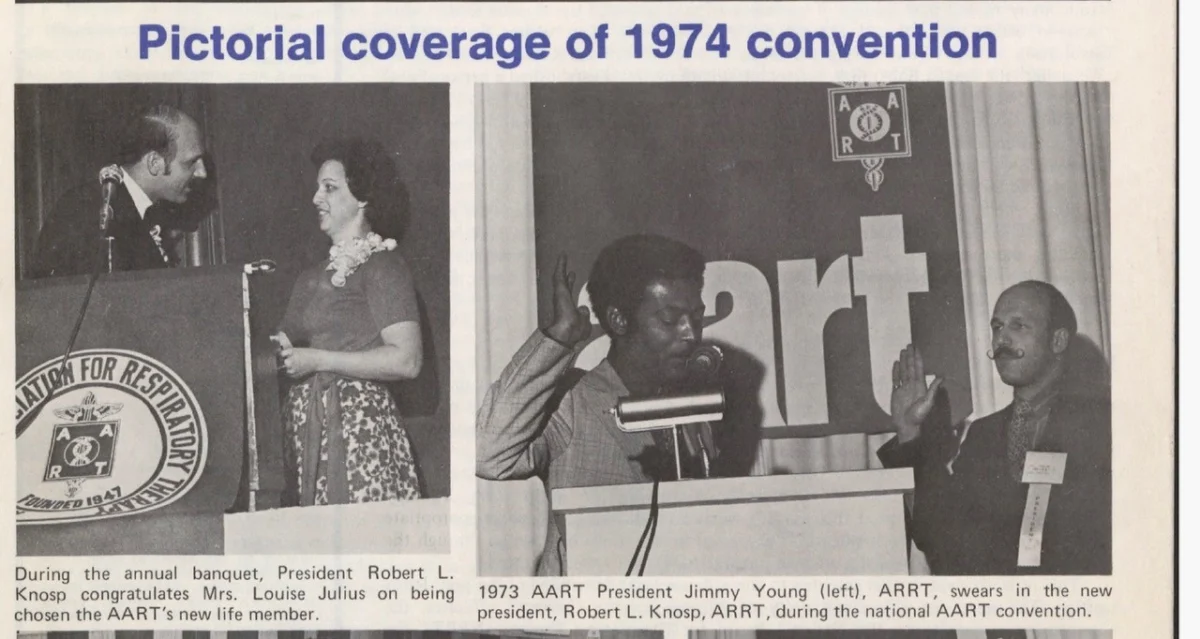
The American Association for Respiratory Care (AARC) has long stood as the bedrock of pulmonary health in the United States. At the pinnacle of its recognition programs lies the Jimmy A. Young Award, an honor bestowed upon individuals who have dedicated their lives to the advancement of the profession. Named in memory of the late AARC president—a man whose vision shaped the modern practice of respiratory care—this award is not merely a marker of tenure, but a testament to sustained, transformative impact.
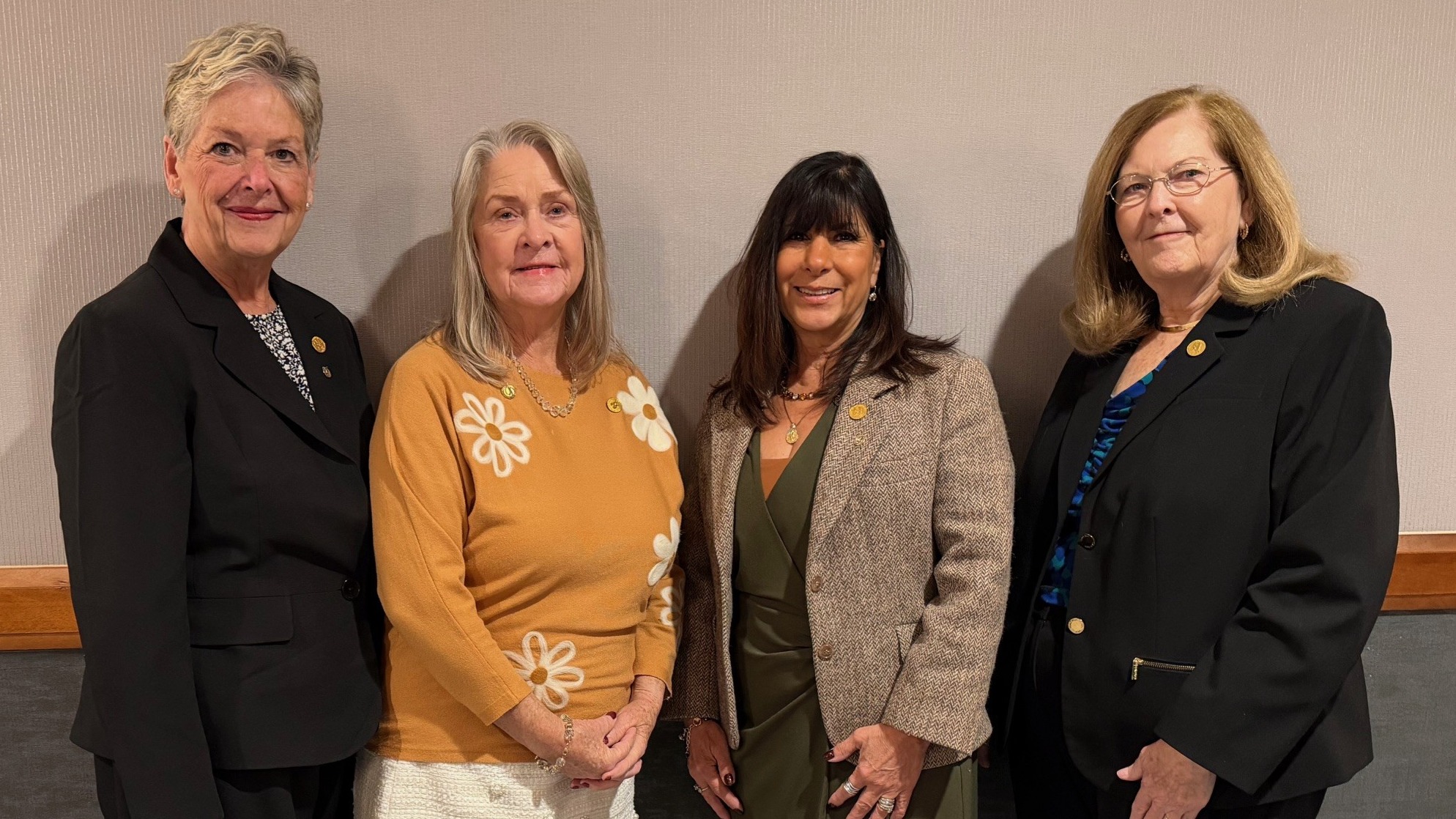
In a recent, deeply personal retrospective, Lisa Weisenberger, AARC Director of Content and Communications, facilitated a profound dialogue with four of the five women who have been honored with this prestigious distinction. The panel featured Dianne Lewis, MS, RRT, FAARC (2025); Trudy Watson, BS, RRT, FAARC (2018); Margaret Traband, MEd, RRT, FAARC (2011); and Teresa Volsko, MBA, MHHS, LSSBB, RRT, FAARC (2020). Joining them in spirit was the legacy of Louise Julius, the first woman to receive the award in 1988 alongside her husband, John.
This discussion served as more than a walk down memory lane; it was a masterclass in leadership, a chronicle of the evolution of respiratory care, and a roadmap for the next generation of practitioners navigating an increasingly complex medical landscape.
A Legacy of Service: The Foundation of Excellence
For the recipients of the Jimmy A. Young Award, the path to national recognition was never paved with the intent of gathering accolades. Instead, it was built on a bedrock of service—a commitment to the patient and the profession that often went unseen by the public eye.
Dianne Lewis, the most recent recipient, anchored her reflection in the vital, often overlooked work of the AARC’s internal infrastructure. Her journey through the House of Delegates and her tenure on the Clinical Practice Guidelines Steering Committee were instrumental in shifting the profession toward evidence-based medicine. "My group wrote and published the first clinical practice guideline for the association," Lewis noted. This achievement was a watershed moment, providing a standardized framework that effectively elevated the quality of care for patients across the nation.
Similarly, Margaret Traband, who began her career in 1972, emphasized that national influence is almost always born from local roots. "We began with our state societies," Traband remarked. "You don’t do it looking for what else you need to check off a list to get an award. You’re just moving ahead where you think you can do the most good." This philosophy of "leading from where you are" remains a cornerstone of the professional culture these women have cultivated.
Chronology: The Evolution of Women in Respiratory Leadership
To understand the magnitude of these women’s achievements, one must look at the historical context of the medical field. For much of the 20th century, the respiratory therapy workforce, while composed of many women, was steered by a male-dominated leadership hierarchy.
- 1988: A landmark year as Louise Julius becomes the first woman to receive the Jimmy A. Young Award, shattering a long-standing tradition of singular or male-led recognition.
- 2011: Margaret Traband receives the award, reflecting a period of increased recognition for clinical educators and those who bridged the gap between academic theory and bedside practice.
- 2018: Trudy Watson is honored, signaling the growing importance of administrative leadership and organizational involvement in shaping the AARC’s future.
- 2020: Teresa Volsko receives the honor, highlighting the emergence of specialized, high-stakes leadership in quality management and systems improvement.
- 2025: Dianne Lewis is recognized, cementing the role of systemic clinical guidance and policy development as a requirement for the highest tier of the profession.
This progression reflects a shift in the healthcare sector at large: a transition from a hierarchical, exclusionary structure to one that recognizes diverse expertise and multifaceted leadership.
Breaking the Glass Ceiling: From Competition to Collaboration
The conversation turned toward the psychological and cultural hurdles that defined the early days of their careers. The "glass ceiling" was not merely a metaphor in the 1970s and 80s; it was a structural reality.
Teresa Volsko provided a striking contrast between the landscape of yesterday and the possibilities of today. "In 1979, if you were invited to the table, you didn’t dare bring another woman up with you because there was only one or two seats," she explained. The scarcity mindset fostered a competitive environment where survival often meant keeping one’s head down and operating in isolation.
However, the narrative has shifted significantly. The panelists agreed that the current landscape is defined by a culture of mentorship. "Now we have the power to change that landscape from being competitive to really lifting each other up," Volsko asserted. This transition from "the only one at the table" to "creating a bigger table" is perhaps the most significant contribution these women have made to the AARC.
Supporting Data: The Current Landscape and Future Demand
The profession currently stands at a crossroads. As the population ages and the demand for respiratory intervention—catalyzed by both chronic conditions and the lasting impacts of the COVID-19 pandemic—reaches an all-time high, the workforce faces a dual reality.
The Growth Trajectory
According to data shared by the participants, the next decade will offer an unprecedented abundance of job opportunities for Respiratory Therapists (RTs). The expansion of respiratory services into home health, pulmonary rehabilitation, and primary care settings means that the scope of practice is wider than it has ever been.
The Recruitment Crisis
Despite this growth, the profession faces a looming talent gap. Trudy Watson highlighted the critical concern regarding student enrollment: "Finding the students to fill the seats in the classroom is our greatest challenge." The panelists noted that while the profession is rewarding, communicating the clinical impact of an RT to the next generation remains a vital task for the current leadership.
Official Responses and Strategic Wisdom
When asked to provide a roadmap for the next generation of RTs, the recipients synthesized decades of experience into three core pillars of professional development.
1. Master the Art of Networking
Trudy Watson emphasized that visibility is a currency in modern healthcare. "Get involved so your name is known and you are trusted within your own organization," she advised. This extends beyond the hospital walls; engagement with related professional organizations, such as the American Lung Association, is essential for building a reputation that carries weight across the medical community.
2. The Virtue of Being Over-Prepared
Margaret Traband’s advice was grounded in the academic rigor of the 1970s "Journal Clubs." She argued that in a field where a patient’s next breath is at stake, "being over-prepared is status quo." She warned against the temptation to appear knowledgeable without the substance to back it up, noting that clinical credibility is the only currency that truly matters in high-stakes medicine.
3. Leading from the Bedside
Teresa Volsko offered a poignant correction to the notion that leadership requires a C-suite title. "Don’t let the fact that you have the title of a clinical respiratory therapist stop you from doing great things. Lead where you are." This message serves as a reminder that the most significant innovations in patient care often originate from the clinicians who are in the room when the patient needs them most.
Implications: Addressing Burnout and Sustaining the Flame
The post-pandemic landscape has brought the issue of burnout to the forefront of the profession. With staffing shortages and increased acuity, many RTs are feeling the strain of a heavy workload.
Traband offered a moment of reflection for those currently in the trenches. "The further away you get from the bedside, the less positive reinforcement happens," she observed. Her advice to the workforce was to actively seek out the "why" in their daily tasks. "Take the time to reflect at the end of the day. Know that you’ve alleviated breathlessness and calmed patients. Steep in that moment."
This psychological maintenance is not a luxury—it is a professional necessity. By acknowledging the humanity of the patient and the profound relief provided by expert respiratory care, practitioners can foster a sustainable career that survives the pressures of the modern hospital system.
Conclusion: A Testament to Advocacy
The Jimmy A. Young Award is far more than a physical trophy or a line on a resume. As demonstrated by Lewis, Watson, Traband, and Volsko, it is a testament to a lifetime of professional advocacy. These women have proven that the future of respiratory care relies on a delicate balance: the unwavering clinical excellence that defines the field, the tireless mentorship required to cultivate the next generation, and the courage to demand a seat at the table where policy is made.
As the profession continues to evolve, the legacy of these four leaders provides a beacon. They have shown that while the technology of respiratory care may change, the fundamental pillars of service, preparation, and leadership remain constant. For the new therapist starting their career today, their collective message is clear: the profession is what you make of it, and there is no limit to the impact one can have when they lead with purpose.