








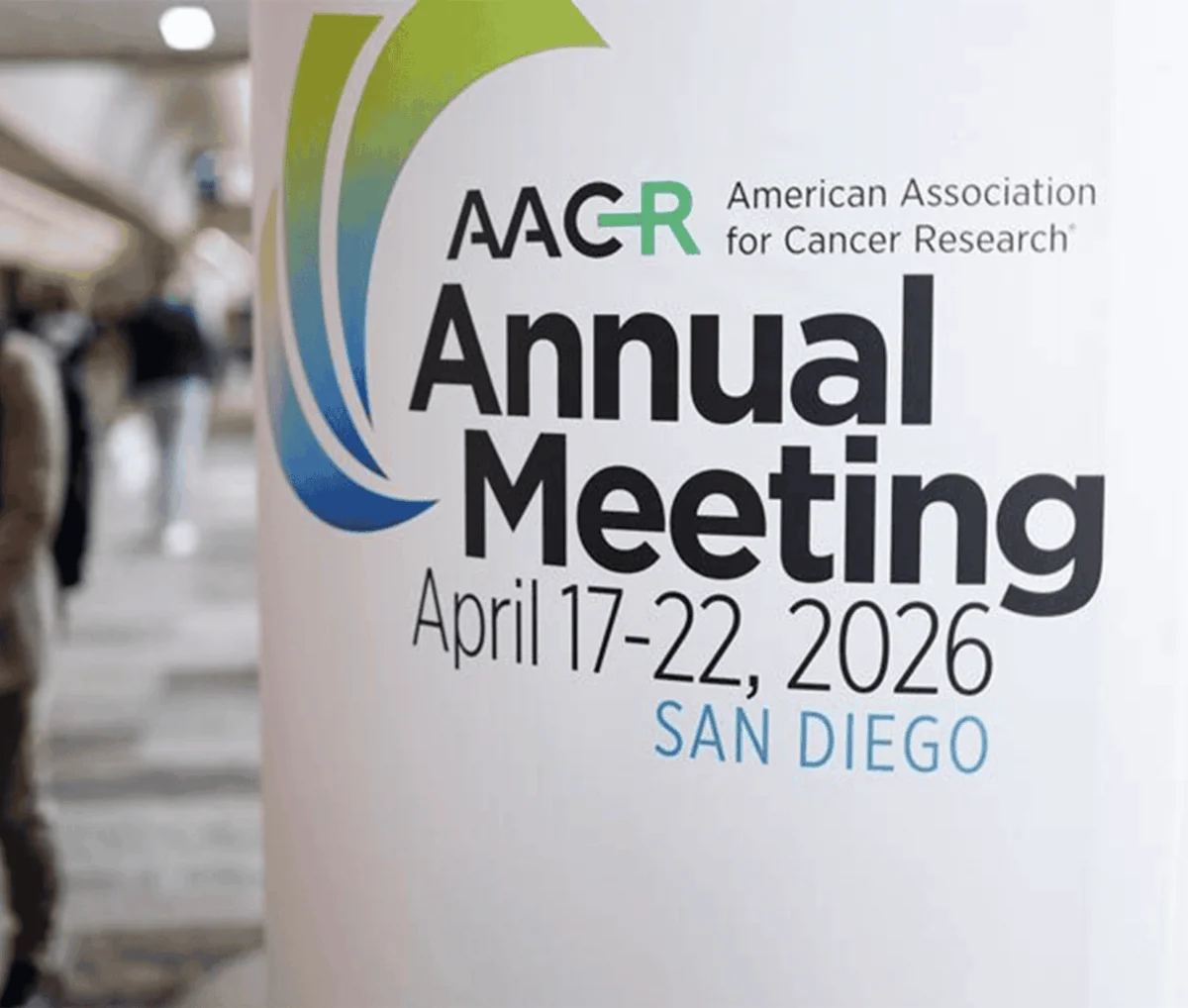
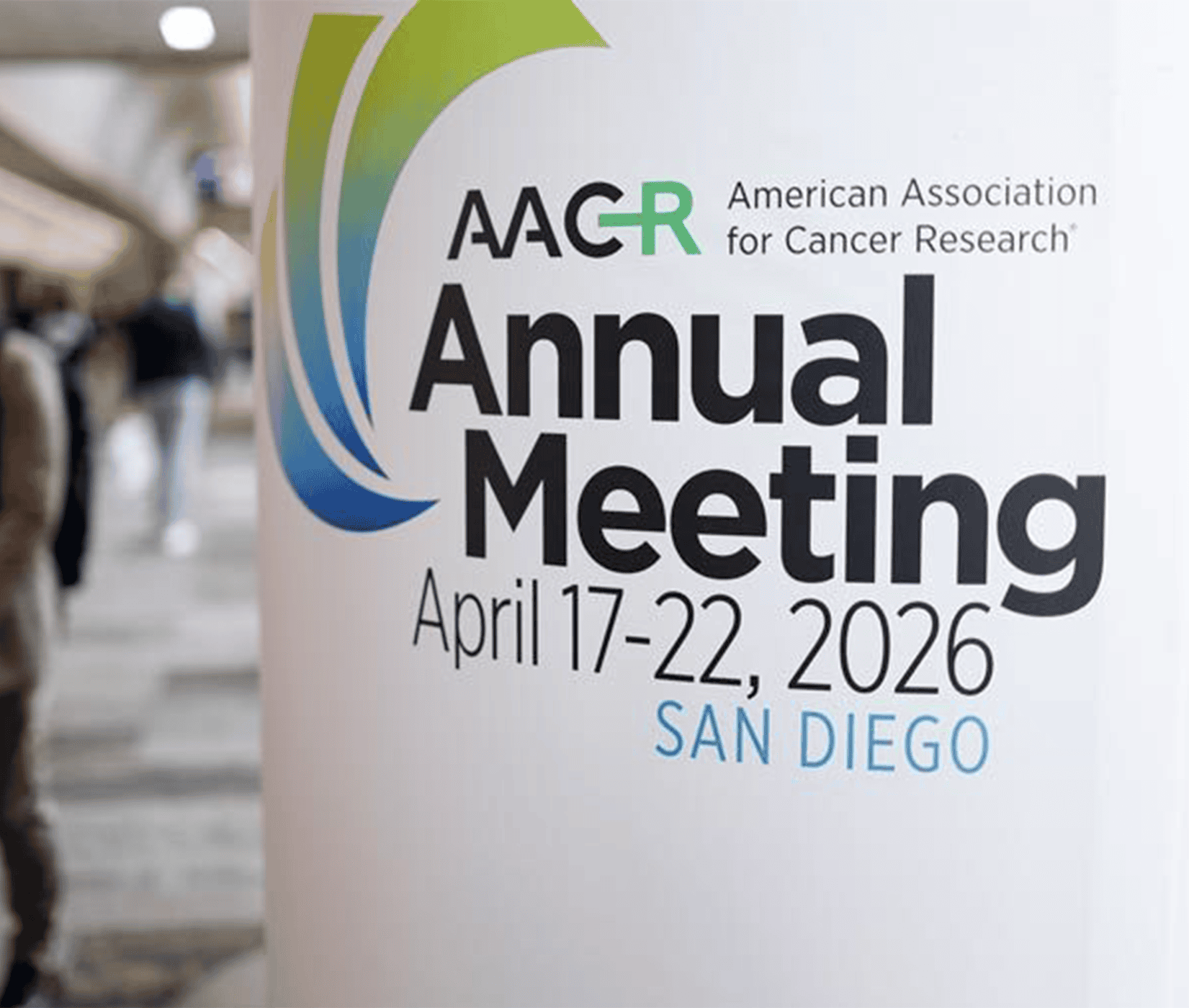
The 2026 American Association for Cancer Research (AACR) Annual Meeting, held in San Diego from April 17–22, served as a profound testament to the shifting paradigm of oncology. No longer defined by silos of isolated laboratory discoveries, the future of cancer research is increasingly characterized by a holistic, integrative approach. As the meeting made clear, the next generation of cancer breakthroughs will not rely on a single "silver bullet," but rather on the seamless intersection of complex biological understanding, cutting-edge technological acceleration, and robust, patient-centric policy.
Main Facts: A Convergence of Disciplines
The AACR 2026 meeting highlighted that the "war on cancer" has moved into an era of sophisticated systemic navigation. The key takeaway from this year’s assembly is that cancer is a dynamic, multi-dimensional ecosystem. The primary scientific consensus emerging from the conference is that tumors cannot be studied in a vacuum; they must be understood as an interactive component of the human body, influenced by metabolism, the microbiome, and even neurological signals.
This year’s meeting was not merely a showcase of new drugs; it was a demonstration of a new methodology. The integration of artificial intelligence (AI) into clinical trial design, the application of spatial biology to tumor mapping, and the aggressive advocacy for policy changes to streamline trial access represent a fundamental change in the research lifecycle.
Chronology of the 2026 AACR Annual Meeting
- April 17, 2026: The meeting opened with a keynote focus on "The Ecology of Cancer," emphasizing the role of the tumor microenvironment beyond the malignant cells themselves.
- April 18, 2026: Researchers presented landmark data on the intersection of neuroscience and oncology, specifically detailing how nerve signaling influences immune response and tumor progression.
- April 19, 2026: The AACR-ASCO Joint Session took center stage, providing a comprehensive update on the challenges and successes of CAR T-cell therapies in solid tumors—a long-standing hurdle for the field.
- April 20, 2026: Focused sessions on "Undruggable Targets" showcased breakthrough data from companies like Revolution Medicines regarding KRAS mutations, signaling a victory for precision oncology.
- April 21, 2026: The Researcher Town Hall addressed the pressing issue of infrastructure, focusing on federal funding instability and the urgent need for systemic reform in clinical trial accessibility.
- April 22, 2026: The meeting concluded with a forward-looking summary, emphasizing that the future of oncology lies in the "translational bridge"—the ability to turn complex genomic data into actionable, equitable patient care.
Supporting Data: The Evidence for Change
The scientific rigor displayed at AACR 2026 was backed by substantial data, revealing both the complexity of the disease and the precision of our evolving responses.
The Immune System and Beyond
A standout revelation involved the role of the nervous system in tumor progression. Researchers noted that cancer cells often invade nerve structures, and this invasion is increasingly recognized as a key biomarker for predicting how a patient will respond to immunotherapy.
Furthermore, data presented by CRI Research Scientist Fahad Benthani, PhD, provided a bird’s-eye view of the global landscape. By analyzing over 24,000 immunotherapy trials, Benthani demonstrated a massive shift in how biomarkers are used to stratify patient populations, allowing for more personalized treatment pathways rather than "one-size-fits-all" immune activation.
The Success of Early Intervention
Perhaps the most optimistic data point came from the University of Texas MD Anderson Cancer Center regarding oral precancer. Their study revealed that direct injection of nivolumab (Opdivo®) resulted in a 60% reduction in lesion size, with an 80% success rate in maintaining cancer-free status after one year. This suggests a paradigm shift where immunotherapy could move from a late-stage treatment to a preventative, tissue-sparing intervention.
Technological Prowess
The integration of spatial biology—the ability to visualize cells in their specific tissue location—is fundamentally changing how we understand "why" therapies fail. Platforms from 10x Genomics, highlighted at the conference, are allowing researchers to observe how immune cells are physically blocked or misled by the tumor microenvironment, providing the raw data needed to design the next generation of more effective combination therapies.
Official Responses and Perspectives
Leaders at the AACR 2026 emphasized that scientific success is contingent upon the support systems surrounding it.
On Funding and Infrastructure:
During the Researcher Town Hall, there was a palpable sense of urgency regarding federal research funding. The scientific community warned that while the pace of discovery is at an all-time high, the infrastructure to support these breakthroughs—specifically the clinical trial pipeline—is lagging. There is a consensus that without stable government funding and modernized, inclusive clinical trial regulations, the "innovation gap" between the lab and the clinic will continue to widen.
On Patient Access:
CRI’s Director of Strategic Programs, Cynthia Neben, PhD, addressed the critical issue of trial participation. Her presentation highlighted that even the most revolutionary drug is useless if patients cannot access it. The consensus among speakers was that the industry must shift from a "trial-centric" model to a "patient-centric" model, where clinical trials are decentralized, less burdensome, and more diverse in their enrollment strategies.
Implications for the Future of Cancer Care
The implications of the 2026 AACR findings are profound for three distinct groups:
For Patients:
Patients are entering an era of "predictable" cancer care. As we move away from broad-spectrum treatments, the hope is for fewer side effects and higher efficacy. The transition toward preventative immunotherapy, as seen in the MD Anderson study, suggests that the future may involve treating "precancer" before it ever evolves into a life-threatening malignancy.
For Researchers:
The "lone scientist" model is being superseded by the "data-collaborative" model. With the integration of AI, organoid modeling, and spatial transcriptomics, researchers are no longer limited by the speed of human manual analysis. They are now tasked with managing vast datasets that require expertise in computational biology, ethics, and policy, as much as in bench science.
For the Healthcare System:
The challenge for the next decade is one of implementation. The AACR 2026 message is that we have the "what" (the science) and the "how" (the technology), but we are still perfecting the "where" (the equitable distribution). Policy must evolve to ensure that the high cost of personalized medicine does not exacerbate existing health disparities.
Conclusion: Bridging the Gap
As the sun set on San Diego at the end of the AACR 2026 meeting, the overarching sentiment was one of cautious optimism. The conference proved that cancer research has matured into a multi-disciplinary science.
The path forward is clear: it is no longer enough to simply discover new pathways or engineer more potent T-cells. The future of oncology demands that these scientific marvels be integrated into a functional, accessible, and sustainable framework. The breakthroughs presented in 2026 offer a glimpse into a world where cancer is not just treated, but managed, prevented, and eventually, silenced. The work now begins to ensure these advancements are not merely successful in the lab, but life-saving in the clinic, accessible to all, and reflective of the latest in human ingenuity.