











The global medical technology landscape is currently undergoing a structural transformation. Following a decade-high surge in merger and acquisition (M&A) activity throughout 2025, the first half of 2026 has demonstrated that this momentum is far from fleeting. According to recent data from PwC, the industry recorded $36.5 billion in acquisitions during the first six months of the year alone. With deal volumes and aggregate values tracking well above the midpoint of the previous year, the medtech sector is signaling a clear, aggressive shift toward portfolio optimization and long-term value creation.
This period of intense dealmaking is not merely a byproduct of available capital; it is a calculated response to a changing clinical and economic environment. Major industry titans—most notably Boston Scientific, Medtronic, and Stryker—are proactively shedding legacy assets while simultaneously pivoting into high-growth, high-margin product categories. This "refocusing" strategy is intended to insulate companies from slow-growth sectors and position them at the vanguard of innovation, particularly in areas like cardiovascular care, digital pathology, and AI-driven diagnostics.
The Chronology of Consolidation: Key Transactions
The first half of 2026 was defined by a series of "billion-dollar bets" that reshaped market hierarchies. Below are the ten most significant acquisitions that defined the industry’s trajectory through June.
1. Boston Scientific’s Strategic Expansion: The Penumbra Deal
- Amount: $14.5 billion
- Announced: Jan. 15, 2026
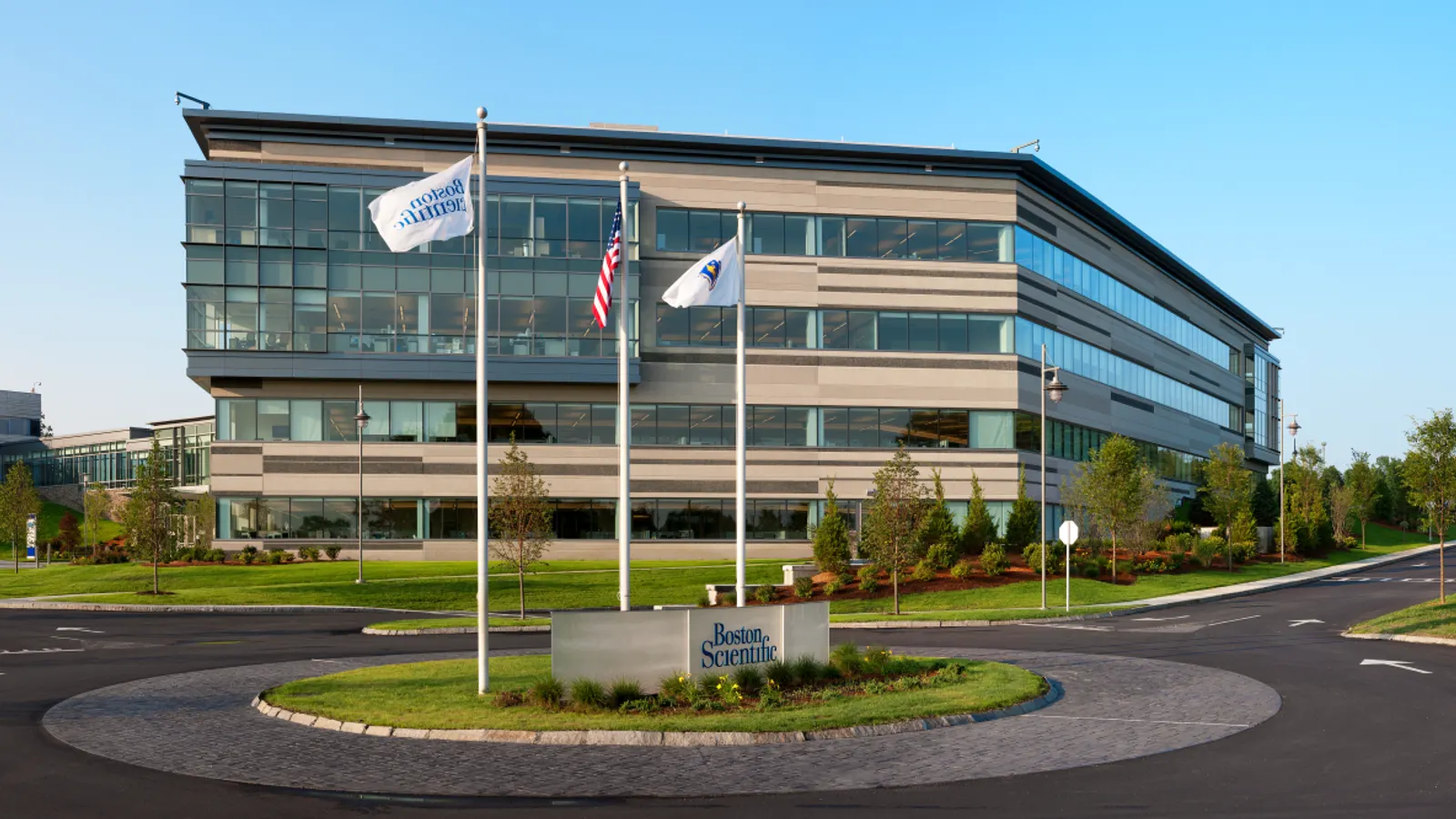
Boston Scientific set the tone for the year with its massive acquisition of Penumbra. This deal is primarily driven by a desire to dominate the thrombectomy and embolization markets. By acquiring Penumbra’s portfolio of clot-removal devices—used in critical procedures like pulmonary embolism and stroke management—Boston Scientific has fortified its cardiovascular footprint. BTIG analyst Ryan Zimmerman noted that this is a quintessential "growth asset" acquisition, designed to provide the company with a technological edge in acute care settings.
2. Danaher’s Acute Care Play: The Masimo Acquisition
- Amount: $9.9 billion
- Closed: June 10, 2026
Danaher successfully closed its $9.9 billion takeover of Masimo in June, effectively positioning itself as a direct competitor to Medtronic in the vital pulse oximetry market. The acquisition is highly complementary to Danaher’s existing Radiometer business, which focuses on blood gas analysis. Danaher expects to achieve $125 million in annual cost synergies and over $50 million in sales synergies by 2031, leveraging Radiometer’s deep European distribution network to scale Masimo’s products globally.
3. Boston Scientific’s TAVR Ambitions: The MiRus Stake
- Amount: $1.5 billion
- Announced: May 18, 2026
In a bold move to re-establish its relevance in the Transcatheter Aortic Valve Replacement (TAVR) market, Boston Scientific invested $1.5 billion for a one-third stake in MiRus. The agreement includes an exclusive option to acquire the company’s "Siegel" system—the world’s first nickel-free, balloon-expandable TAVR valve—subject to specific clinical milestones. This deal serves as a strategic "reset" for Boston Scientific, which has faced significant headwinds with its previous Acurate and Lotus platforms.
4. Private Equity Enters: The Avanos Medical Takeover
- Amount: $1.27 billion
- Announced: April 14, 2026
American Industrial Partners (AIP) took the specialty nutrition and pain management firm, Avanos Medical, private in a $1.27 billion transaction. In an increasingly competitive landscape, CEO Dave Pacitti expressed that the shift to private ownership will provide the necessary capital and operational flexibility to compete more effectively against industry giants like Stryker and Medtronic.
5. Thermo Fisher’s Strategic Divestiture
- Amount: $1.08 billion
- Announced: April 27, 2026
Thermo Fisher Scientific’s sale of its microbiology unit to the private equity firm Astorg represents a tactical exit from slower-growing segments. The unit, which focuses on clinical and food safety testing, was identified as non-core, growing at a modest 2% annually. This move exemplifies the current trend of "pruning" portfolios to focus on high-growth R&D.
6. Roche’s Digital Transformation: The PathAI Acquisition
- Amount: $750 million upfront (plus $300M in milestones)
- Announced: May 7, 2026
Roche’s acquisition of PathAI highlights the industry’s hunger for artificial intelligence. By integrating PathAI’s digital pathology platform into its existing cancer diagnostics portfolio, Roche aims to accelerate its companion diagnostics development. This deal underscores the transition of medtech from hardware-centric solutions to software-augmented clinical decision-making.
7. Agilent’s Immunohistochemistry Expansion
- Amount: $950 million
- Closed: June 25, 2026
Agilent’s acquisition of Biocare Medical is a classic "tuck-in" acquisition designed to bolster its diagnostics and life sciences business. By acquiring automated immunohistochemistry instruments, Agilent is strengthening its position in the oncology diagnostics space, a sector currently seeing explosive demand for personalized medicine.
8. Stryker’s IVL Pivot: Amplitude Vascular
- Amount: $435 million upfront (plus $400M in milestones)
- Closed: May 7, 2026
Stryker entered the Intravascular Lithotripsy (IVL) space by acquiring Amplitude Vascular Systems. This move follows a series of high-profile consolidations in the sector, most notably J&J’s $13.1 billion purchase of Shockwave Medical in 2024. Industry analysts view the Pulse system as a significant challenger to the existing market leaders.
9. Medtronic’s Neuromodulation Strategy: SPR Therapeutics
- Amount: $650 million
- Announced: May 20, 2026
Medtronic’s $650 million acquisition of SPR Therapeutics expands its footprint in the chronic pain market. The Sprint peripheral nerve stimulation system offers a temporary, minimally invasive solution that aligns with Medtronic’s goal of facilitating earlier clinical interventions for pain management.
10. Medtronic’s Cath Lab Digitization: CathWorks
- Amount: $585 million
- Closed: April 20, 2026
Medtronic finalized its purchase of CathWorks, solidifying its commitment to AI-enabled coronary assessments. The FFRangio system allows for full coronary tree analysis via routine X-rays, a capability that Medtronic has been co-promoting since 2022, signaling that the company is confident in the technology’s ability to drive procedural efficiency.
The Strategic Rationale: Why Now?
The data suggests that the M&A flurry of 2026 is driven by three primary catalysts:
- Portfolio Rationalization: As seen with Thermo Fisher, companies are no longer content holding onto "steady but slow" business units. In a high-interest-rate environment, capital efficiency is paramount. Divesting slower units allows firms to free up balance sheets to pursue more aggressive acquisitions.
- The AI Imperative: The inclusion of companies like PathAI and CathWorks into the portfolios of Roche and Medtronic indicates that "Medtech" is rapidly becoming "Medtech-AI." Firms that cannot offer digital, AI-augmented insights are increasingly viewed as commoditized.
- The "Flight to Quality": Companies like Boston Scientific and Stryker are doubling down on core competencies where they can maintain high pricing power. By exiting or ignoring stagnant markets and focusing on high-growth segments like cardiovascular intervention and oncology, these companies are attempting to command premium valuations from investors.
Implications for the Future
As we look toward the second half of 2026, several implications become clear. First, we should expect continued consolidation in the cardiovascular and diagnostics spaces. As the cost of R&D continues to rise, the "build vs. buy" calculation will almost always lean toward buying, especially when smaller firms have already de-risked specific technologies through early-stage clinical success.
Second, the role of private equity (PE) is becoming more pronounced. With firms like AIP and Astorg acquiring divisions from larger corporations, the medtech ecosystem is becoming more fragmented at the mid-market level. These PE-backed entities will likely operate with high levels of agility, potentially disrupting the incumbents before eventually being targeted for further acquisition.
Finally, the regulatory landscape will remain a significant hurdle. As these companies grow through acquisition, the scrutiny from antitrust bodies regarding market concentration—particularly in cardiovascular and acute care—will likely intensify. Companies must ensure that their M&A strategy includes a clear plan for integration and synergy realization, as the "honeymoon phase" of acquisition will be followed by intense pressure to prove that these billion-dollar investments actually move the needle on patient outcomes and shareholder returns.
In summary, the first half of 2026 has been a masterclass in strategic repositioning. Medtech leaders are aggressively pruning, acquiring, and innovating to ensure their survival and growth in a rapidly evolving clinical market. If the current pace continues, 2026 may not just match 2025’s record-breaking activity—it may very well redefine the operational blueprint for the industry for the remainder of the decade.