









In an era where the opioid crisis has cast a long, sobering shadow over traditional pain management, the Southwest Florida Pain Center (SWFL Pain Center) is emerging as a beacon of clinical innovation. By pivoting away from reliance on systemic pharmacological interventions, the center is championing a high-tech, “high-touch” approach that prioritizes precision medicine, minimally invasive surgical techniques, and long-term functional restoration.
For the millions of Americans suffering from chronic pain—a condition that frequently leads to diminished quality of life, loss of productivity, and psychological distress—the center’s methodology offers more than just temporary relief; it offers a pathway to a life reclaimed from the cycle of dependency.
Main Facts: The New Standard in Pain Mitigation
The philosophy at the SWFL Pain Center is predicated on the concept of "Interventional Pain Management." Unlike traditional primary care approaches that often utilize oral analgesics to mask symptoms, interventional techniques seek to identify and neutralize the physiological source of pain.
Core Pillars of the Center’s Methodology:
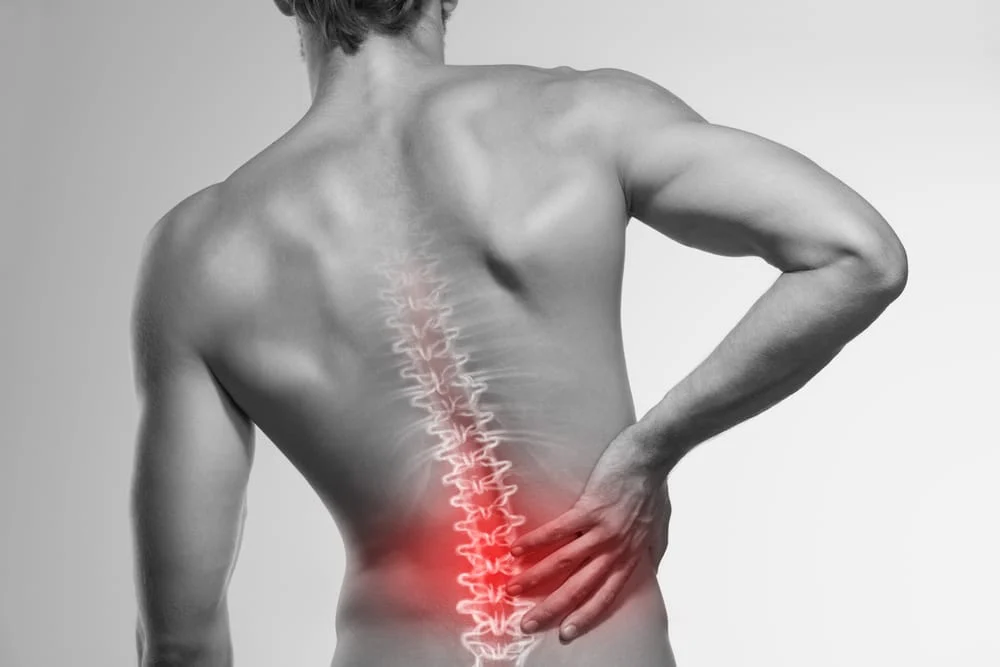
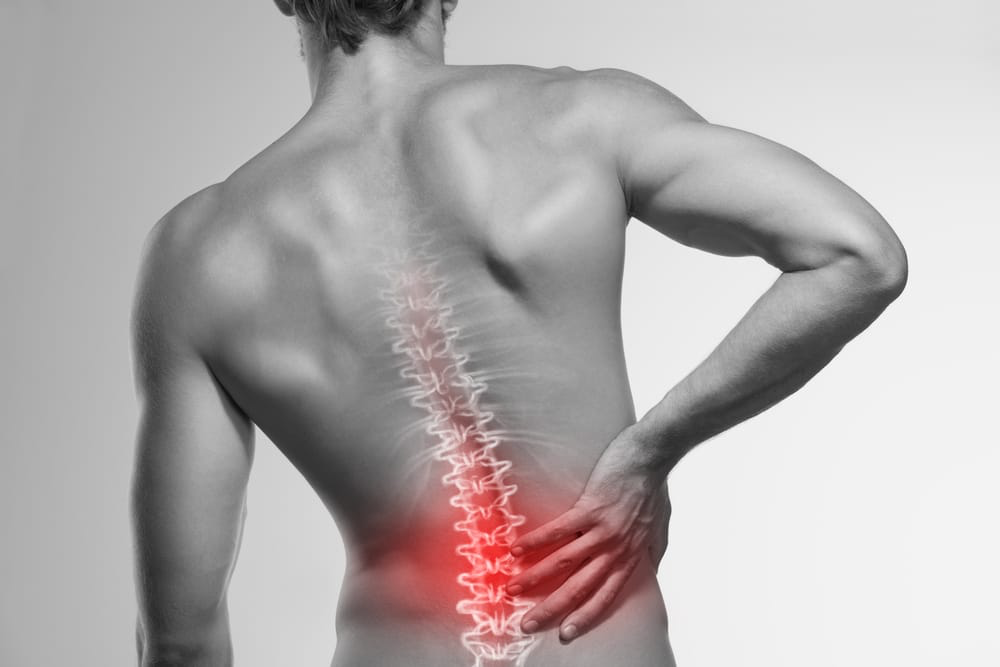
- Targeted Diagnostics: Utilizing high-resolution imaging to pinpoint the exact origin of discomfort, whether it be nerve impingement, disc degeneration, or joint inflammation.
- Drug-Free Protocols: A rigorous focus on minimizing the use of narcotics by employing advanced surgical and regenerative procedures.
- On-Site Integration: By housing state-of-the-art surgical suites directly within the facility, the center maintains a standard of precision and continuity of care that is rarely matched in traditional hospital settings.
- Patient-Centric Customization: No two pain profiles are identical. The center develops individualized treatment pathways that evolve based on the patient’s clinical progress.
A Chronological Perspective: From Symptom Management to Targeted Intervention
The trajectory of pain management has shifted dramatically over the last two decades. Historically, the medical community relied heavily on systemic pharmaceuticals, a practice that, while effective in the short term, often proved disastrous for patient health outcomes over the long term.
The Early Days: The Pharmaceutical Reliance
In the late 1990s and early 2000s, the "gold standard" for chronic pain was frequent prescription of analgesics. While these provided immediate relief, they failed to address the mechanical or neurological roots of chronic conditions, leading to widespread issues of tolerance and addiction.
The Shift Toward Intervention
As imaging technology—such as high-frequency ultrasound and real-time fluoroscopy—became more sophisticated, the medical community began to realize that pain could be treated with surgical precision. The Southwest Florida Pain Center was established to bridge this gap, integrating diagnostic precision with outpatient surgical intervention.
The Modern Era: Precision and Technology
Today, the center stands at the intersection of technology and empathy. The evolution has moved from simple trigger-point injections to complex neuromodulation. By incorporating spinal cord stimulation and radiofrequency ablation, the center now treats pain as a technical problem to be solved rather than a symptom to be suppressed.
Supporting Data: The Efficacy of Interventional Techniques
The move toward interventional management is supported by a growing body of clinical literature. According to studies published in the Journal of Pain Research, patients who undergo interventional procedures, such as radiofrequency ablation or targeted epidural steroid injections, report a 40% to 60% higher rate of long-term functional improvement compared to those managed strictly through medication.
Key Technologies Employed at the SWFL Pain Center:
1. Spinal Cord Stimulation (SCS)
For patients with chronic neuropathic pain or failed back surgery syndrome, SCS is a game-changer. By implanting a small device that sends mild electrical impulses to the spinal cord, doctors can effectively "intercept" pain signals before they reach the brain.
2. Radiofrequency Ablation (RFA)
RFA utilizes thermal energy to interrupt nerve pathways that transmit chronic pain. This is particularly effective for patients suffering from osteoarthritis or facet joint pain, providing relief that can last for months or even years.
3. Advanced Imaging: Fluoroscopy and Ultrasound
The accuracy of an intervention is only as good as the clinician’s view. By utilizing real-time fluoroscopic and ultrasound guidance, the practitioners at the SWFL Pain Center ensure that medication or thermal energy is delivered with millimeter-level precision, drastically reducing the risk of side effects and increasing the success rate of the procedure.
Official Responses and Clinical Philosophy
Leadership at the Southwest Florida Pain Center emphasizes that their primary mission is the restoration of the "whole patient."
"We are not just treating an MRI result; we are treating a person whose life has been put on hold by pain," says one clinical lead. "The combination of high-tech diagnostics and high-touch patient interaction is the only way to effectively tackle chronic issues. When we remove the pain, we remove the barrier that prevents the patient from engaging with their family, their work, and their community."
The center’s environment is intentionally designed to be an "artistic atmosphere." Research into environmental psychology has shown that clinical settings—often cold, sterile, and intimidating—can actually exacerbate the perception of pain by increasing cortisol levels in the patient. By curating a soothing, aesthetic environment, the SWFL Pain Center aims to lower patient anxiety, which in turn improves surgical outcomes and patient recovery times.
Implications: The Future of Chronic Pain Treatment
The success of the Southwest Florida Pain Center model carries significant implications for the broader healthcare landscape. As hospitals face increasing pressure to reduce opioid prescriptions, the interventional model offers a viable, sustainable, and ethical alternative.
Economic Implications
Chronic pain is one of the most expensive conditions for the American healthcare system. By moving treatment from the emergency room and traditional hospital settings to specialized outpatient interventional suites, costs are reduced, and the burden on the primary care system is alleviated.
Quality of Life Implications
The ultimate goal of any medical intervention is the restoration of function. When a patient can return to work, exercise, and sleep without the "fog" associated with heavy medication, the ripple effects are felt throughout the entire community. Families are reunited, productivity increases, and the cycle of chronic disability is broken.
The "High-Touch" Standard
Perhaps the most critical implication of the center’s model is the realization that technology alone is not enough. The future of medicine—even in high-tech fields like pain management—must remain anchored in the human connection. The "high-touch" element of the SWFL Pain Center ensures that patients feel heard, understood, and supported throughout the duration of their treatment.
Conclusion: A Roadmap to Recovery
Chronic pain does not have to be a permanent sentence. Through the utilization of cutting-edge interventional techniques, the Southwest Florida Pain Center is proving that the root causes of pain can be identified and effectively mitigated. By combining the precision of advanced imaging and surgery with a commitment to patient well-being, the center is setting a new standard for medical care.
For those navigating the difficult path of chronic pain, the transition from traditional, drug-heavy regimens to an interventional, targeted strategy is more than a change in treatment—it is a change in trajectory. As the medical community continues to look for ways to improve patient outcomes while reducing the reliance on pharmaceuticals, the Southwest Florida Pain Center stands as a testament to the fact that advanced technology, when wielded with skill and compassion, can provide the relief that millions so desperately seek.
For more information on these procedures or to schedule a consultation, patients are encouraged to visit the SWFL Pain Center’s facilities, where the commitment to a pain-free life is the guiding principle of every interaction.