








The transition to college is a milestone defined by newfound independence, intellectual exploration, and the forging of lifelong friendships. For the average student, the primary stressors are midterms, time management, and social integration. However, for students living with Ehlers-Danlos Syndrome (EDS) and its frequent comorbidities, the collegiate experience requires an additional layer of logistical planning, proactive advocacy, and strategic resource utilization.
As we look toward the 2026 academic year, the importance of establishing a robust support system before the first lecture begins cannot be overstated. By understanding the intersection of disability law and campus accessibility, students with EDS can transform their academic journey from a series of physical hurdles into a successful pursuit of higher education.
The Complexity of EDS in an Academic Setting
Ehlers-Danlos Syndrome is a collection of hereditary connective tissue disorders characterized by joint hypermobility, skin hyperextensibility, and tissue fragility. Yet, the clinical reality for most students is far more complex, as EDS rarely travels alone.
Chronology of Care: Planning for the Semester
For a student with a chronic illness, the "start" of the semester is not the first day of class—it is the moment of enrollment.
- The Pre-Arrival Phase (3-6 months out): Identifying the Disability Services office, requesting housing modifications, and scheduling intake meetings.
- The Integration Phase (1 month out): Communicating with professors, verifying accessibility on campus, and establishing a baseline for symptom management.
- The Implementation Phase (First two weeks): Testing the efficacy of accommodations and adjusting strategies based on the physical demands of the actual course load.
Clinical Comorbidities: A Multi-System Challenge
EDS is frequently linked to a spectrum of conditions that can severely impact a student’s daily endurance. These include:
- POTS (Postural Orthostatic Tachycardia Syndrome): Impacts blood flow, often making long walks across campus or standing in lines difficult.
- MCAS (Mast Cell Activation Syndrome): Requires strict control over environmental triggers and dietary needs.
- Neurological Manifestations: Chronic migraines and spinal issues can turn a standard two-hour seminar into an endurance test.
- Neurodivergence: A high correlation exists between hypermobility and Autism Spectrum Disorder (ASD), which may influence how a student processes sensory input in a crowded lecture hall.
Proactive Strategies: Managing Without Formal Requests
While formal accommodations are essential, many students find that self-managed "lifestyle modifications" provide the foundation for their daily health. These are actions a student can take independently, though transparency with faculty is always recommended.
Optimizing the Learning Environment
Small adjustments to one’s physical setup can prevent "flare-ups" before they start.
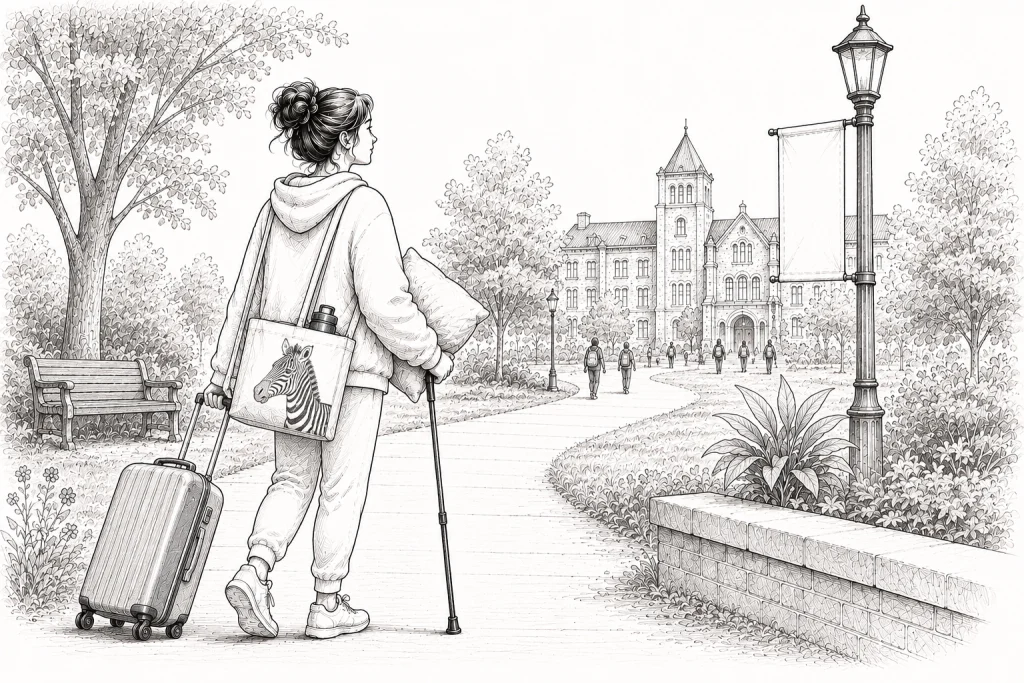
- Ergonomic Seating: Bringing a specialized cushion or a portable lumbar support to class can mitigate the joint pain associated with hard, unpadded auditorium seats.
- Movement Breaks: If a professor permits, standing periodically or shifting positions can prevent joints from locking or muscles from seizing.
- Sensory Management: For those with light or noise sensitivity, wearing blue-light filtering glasses or noise-canceling headphones (with permission) can help preserve cognitive "spoons"—the limited energy reserves available to those with chronic illness.
Fluidity and Nutrition
Hydration is a critical, often overlooked factor for students with autonomic dysfunction. Carrying an insulated water bottle with electrolytes and maintaining a stash of shelf-stable, MCAS-friendly snacks can prevent the physical crash that often follows an unpredictable campus dining schedule.
The Power of Formal Accommodations
A common mistake among "spoonie" students is the belief that they should wait until a crisis occurs to contact the Disability Services office. This is a strategic error. Registering early creates a safety net, ensuring that when an inevitable flare-up occurs, the administrative process is already completed.
The Threshold for Formal Help
How do you know if you need to formalize your request? Use the Two-Question Test:
- Does this condition create a significant barrier to my ability to demonstrate my knowledge or participate in the classroom?
- Does the adjustment require the university to waive a standard policy or provide resources (such as extra time, specialized software, or physical modifications) that are not available to the general student body?
If the answer is "yes," you are entitled to the protections provided under the Americans with Disabilities Act (ADA) and Section 504 of the Rehabilitation Act.
The Documentation Process
When registering with the university, provide a comprehensive medical dossier. A "complete picture" is more effective than a vague note. Ensure your medical team outlines not just the diagnosis, but the functional limitations—the why behind the request. For example, rather than just stating "EDS," have the physician explain that "joint instability limits writing endurance, necessitating the use of a laptop for all exams."
Essential Accommodations: A Strategic Toolkit
When entering the negotiation process with your university, consider these specific areas of support:
Attendance and Flexibility
For students with chronic fatigue or sudden health crises, strict attendance policies can be discriminatory. Negotiating for "flexible attendance" allows for excused absences that do not impact the student’s grade, provided the student remains in communication with the professor regarding missed material.
Note-Taking and Lecture Access
If fine motor skills are impacted by hand pain, look for:
- Recording software: Tools like Glean or Otter.ai can transcribe lectures.
- Note-taking assistants: Peer-assisted note-taking services provided through the university.
Testing Accommodations
This is perhaps the most critical area for students with EDS.
- Extended Time: Essential for students who experience "brain fog" or pain that distracts from cognitive processing.
- The "Stop-the-Clock" Break: The ability to pause an exam to stand, stretch, take medication, or use the restroom without losing time.
- Scribe/Computer Use: If manual writing is painful, requesting an alternative format (typed exams) is a standard and necessary accommodation.
Campus Life: Housing and Mobility
- Housing: Requesting a room with an en-suite bathroom (to manage GI or POTS symptoms) or a room on the ground floor to limit the physical strain of staircases.
- Mobility: Negotiating for a campus shuttle pass or priority access to elevators, even if they are not explicitly labeled for general student use.
Official Perspective: The Role of Disability Services
Universities are not just required to be accessible; they are required to provide an equitable environment. Disability Services offices are legally mandated partners in your success. If a specific accommodation is denied, the university must engage in an "interactive process" to find an alternative.
Students should view this as a collaborative negotiation. If an alternative is offered that does not bridge the gap in your functionality, articulate exactly why that alternative fails to address the medical reality of your condition. Advocacy is a skill, and in the context of your education, it is your most important tool.
Implications for the Future
The collegiate experience for a student with Ehlers-Danlos Syndrome is undeniably more rigorous than that of their peers. However, the resilience developed through navigating these systems is invaluable. By the time a student with EDS graduates, they have not only earned a degree but have also mastered the art of self-advocacy, communication, and systemic navigation—skills that will serve them long after they leave the campus gates.
College should be defined by the challenges of the curriculum, not by the limitations of your body. By planning ahead, utilizing your legal rights, and staying proactive, you can ensure that your university years are defined by academic growth, personal discovery, and the achievement of your professional goals.
Author’s Note: This guide is intended to provide a framework for academic planning. Every student’s needs are unique, and we encourage all students to consult directly with their university’s Disability Services office to create a plan tailored to their specific, individual circumstances.