











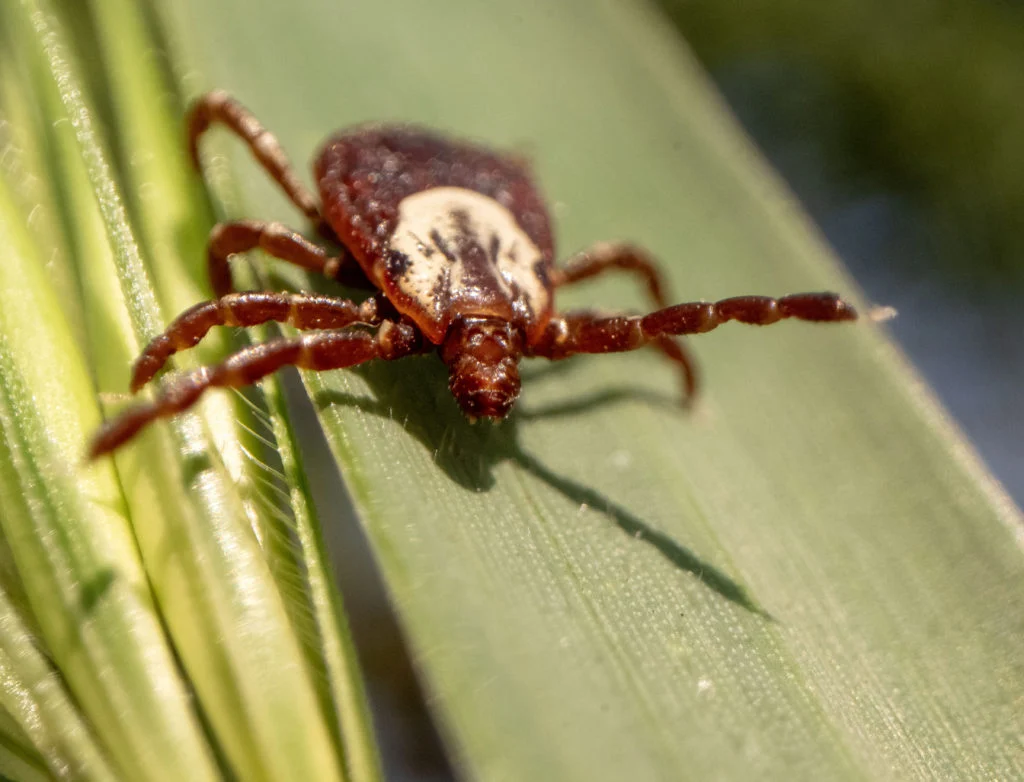
As summer temperatures climb and outdoor activities reach their seasonal peak, a silent but persistent threat is expanding across the United States. While ticks have long been a familiar nuisance for hikers and gardeners in the Northeast and Midwest, a convergence of ecological shifts and climate changes has pushed these arachnids into new territories, bringing with them a suite of dangerous pathogens.
This year, the surge in tick activity has been particularly alarming. According to recent data from the Centers for Disease Control and Prevention (CDC), emergency room visits related to tick bites have spiked to levels not seen in over a decade. To better understand this phenomenon, we spoke with Dr. Holly Gaff, a mathematical ecologist at Old Dominion University, who specializes in the complex dynamics of tick populations.
The Ecology of an "Explosion": Why Ticks Are Thriving
The perception that a harsh winter kills off tick populations is a common misconception that experts are eager to correct. In reality, the ecological interplay between tick life cycles and their hosts is far more nuanced.
The "Hangry" Tick Phenomenon
Dr. Gaff explains that while severe cold can have an impact on tick survival, it often inadvertently creates a more desperate environment for the survivors. "The cold probably killed some of the things that they would have fed on, instead of you and me," she notes. This results in what she jokingly refers to as "hangry" ticks—hungry, aggressive arachnids that have been deprived of their usual blood meals and are now actively seeking out new hosts, including humans.
The Human-Wildlife Interface
The rise in tick encounters is not merely a product of climate variables; it is a direct result of human migration and land use. As suburban development encroaches further into wooded areas, humans are effectively moving into the "buffet" zones of tick habitats.
Central to this explosion is the white-tailed deer population. Ticks rely heavily on deer to survive and reproduce. As deer populations have expanded into the exurbs—the residential areas surrounding suburbs—they have brought their hitchhikers with them. By creating semi-forested residential landscapes, humans have inadvertently provided the perfect habitat for ticks to thrive in close proximity to their new, unintentional hosts.
A Shifting Landscape of Disease
For decades, the public health conversation regarding ticks has been dominated by Lyme disease. While Lyme remains the most prevalent tick-borne illness, infecting roughly half a million Americans annually, the risk profile is changing.
Lyme Disease: A Moving Target
Lyme disease, traditionally concentrated in the Northeast and Midwest, is expanding its geographic range. As tick species migrate in response to environmental shifts, regions that were previously considered "low-risk" are finding themselves on the front lines of prevention.
The Rise of Alpha-gal Syndrome
Perhaps the most concerning development in recent years is the emergence of Alpha-gal syndrome (AGS). Unlike traditional bacterial or viral infections transmitted by ticks, AGS is a unique physiological reaction.
When a Lone Star tick bites a human, its saliva introduces a specific carbohydrate—galactose-alpha-1,3-galactose—into the bloodstream. In a significant number of individuals, this triggers an immune system response that results in a severe, delayed allergy to red meat and dairy products. Because it is a delayed reaction, many people may not immediately associate their symptoms—which can range from hives to anaphylaxis—with a tick bite they received hours or even days earlier.
Supporting Data: By the Numbers
The current tick season is defying historical trends. When examining the data provided by public health officials, several key metrics highlight the gravity of the situation:
- ER Visits: Emergency room encounters for tick bites are currently at a 10-year high, suggesting a significant increase in human-tick interactions.
- Geographic Expansion: The Lone Star tick, historically relegated to the Southern U.S., is now being identified in regions as far north as Maine and as far west as the Great Plains.
- Host Density: Estimates of white-tailed deer density in suburban areas have doubled in some regions over the past two decades, providing a direct correlation to the increased tick burden in residential backyards.
- Pathogen Diversity: Beyond Lyme and Alpha-gal, there is an uptick in reports of Powassan virus, Babesiosis, and Anaplasmosis, indicating that the diversity of diseases being transmitted is as concerning as the volume of bites.
Official Responses and Prevention Strategies
Public health agencies, including the CDC and state health departments, are emphasizing a multi-layered approach to protection. Because there is currently no widespread vaccine for the majority of tick-borne illnesses, individual vigilance remains the primary line of defense.
Proactive Measures for Outdoor Enthusiasts
Dr. Gaff advocates for a strategy of awareness and barrier protection:
- Stay on the Path: When hiking, stick to the center of trails to minimize contact with tall grass and leaf litter where ticks congregate.
- Chemical Deterrents: DEET is effective for skin application, but permethrin is the "gold standard" for clothing and footwear. Unlike repellents, permethrin is an insecticide that kills ticks upon contact.
- The "Check-Check-Check" Rule: The most effective defense is a consistent, systematic inspection. Check yourself, your children, and your pets immediately after returning from the outdoors.
Proper Removal: What Not to Do
Misinformation regarding tick removal is rampant. Many people rely on "folk remedies" that are not only ineffective but can actually increase the risk of infection.
- Avoid Irritation: Never attempt to burn a tick, cover it in petroleum jelly, or use nail polish. These methods can cause the tick to regurgitate its stomach contents into your bloodstream, increasing the risk of disease transmission.
- The Proper Technique: Use a pair of clean, fine-tipped tweezers. Grasp the tick as close to the skin’s surface as possible. Pull upward with steady, even pressure. Do not twist or jerk the tick, as this can cause the mouthparts to break off and remain in the skin. If that happens, remove the mouthparts with tweezers. If you cannot remove the mouth easily, leave it alone and let the skin heal.
- Post-Removal Care: After removing the tick, thoroughly clean the bite area and your hands with rubbing alcohol or soap and water.
Implications for Public Health
The "tick-borne disease landscape" is no longer a static map; it is a dynamic, evolving threat. The implications for the medical community are significant. Physicians must now be trained to recognize the symptoms of rare tick-borne illnesses that were previously unheard of in their regions. For example, a doctor in a Northern state may have never considered testing a patient for Alpha-gal syndrome a decade ago, but today, it must be part of the differential diagnosis for unexplained allergic reactions.
Furthermore, the economic impact of these diseases—ranging from long-term disability caused by chronic Lyme to the dietary restrictions imposed by Alpha-gal—is immense. As we move deeper into the summer, the focus must shift from reactive treatment to proactive education.
The changing environment has created a scenario where our backyards have become potential hunting grounds for these "hangry" arachnids. While this sounds like a premise from a horror film, it is a manageable reality if the public remains informed, vigilant, and prepared. By understanding the biology of the tick, the patterns of its movement, and the proper methods for mitigation, we can reclaim our summers without succumbing to the anxiety of the unknown.
As Dr. Gaff reminds us: "Don’t panic. But be aware." The ticks are out there, but with the right precautions, the power to prevent these life-altering illnesses remains firmly in our own hands.