In the high-stakes environment of cardiovascular medicine, the aftermath of a heart attack is a race against time and biology. When blood flow is blocked, cardiac tissue begins to die, leaving behind a legacy of scar tissue that lacks the contractile strength of healthy muscle. For decades, the medical community has lacked a definitive "cure" for this damage, focusing instead on stabilization and prevention. However, a revolutionary breakthrough from the University of California San Diego (UCSD) is poised to change that paradigm. Bioengineers have developed an injectable biomaterial capable of traveling through the bloodstream to repair damaged tissue from the inside out.
The Core Innovation: A Paradigm Shift in Regenerative Engineering
At its heart, this new technology represents a departure from traditional, invasive surgical interventions. Led by Professor Karen Christman, a pioneer in bioengineering, the research team has successfully engineered a biomaterial derived from the natural scaffolding of cardiac muscle—the extracellular matrix (ECM).
Unlike previous iterations that required direct, high-risk injections into the heart wall, this new formulation is designed to be delivered via the circulatory system. By utilizing the very vessels that supply oxygen to damaged organs, the material can localize to the site of an injury, dampen inflammation, and provide a supportive environment for cellular regeneration. This "inside-out" approach is being hailed as a major milestone in regenerative engineering, offering a potential lifeline for patients suffering from acute myocardial infarction and other inflammatory conditions.
Chronology of a Medical Breakthrough
The development of this technology is the result of years of meticulous research, evolving from localized hydrogels to a sophisticated, systemic treatment.
- 2019: The Foundation: Dr. Christman’s team reported the results of a Phase 1 clinical trial for "VentriGel," an ECM-based hydrogel injected directly into the heart via a catheter. While the trial confirmed the safety and feasibility of the therapy, it highlighted a critical limitation: the invasive nature of the delivery method, which precluded immediate use after a cardiac event.
- 2022: The Intravascular Leap: Published in Nature Biomedical Engineering, the team unveiled a refined, nano-sized version of the hydrogel. This material was engineered to be infused intravenously, allowing it to navigate the bloodstream and target injured tissue with precision.
- 2025: Mechanistic Clarity: A follow-up study published in Nature Communications provided a deeper look into the cellular mechanics of these ECM-based therapies. Using advanced spatial transcriptomics and single-nucleus RNA sequencing, researchers mapped exactly how these materials modulate the immune response and stimulate vessel growth.
- Present Day: The technology is currently moving through the regulatory pipeline, with the startup Ventrix Bio, Inc.—cofounded by Christman—working to advance clinical applications, including trials for pediatric heart conditions.
Supporting Data: Engineering the "Nano-Solution"
The transition from a viscous hydrogel to an injectable therapeutic required a masterclass in bioengineering. The original ECM scaffolding was too bulky to pass through the intricate microvasculature of a heart damaged by infarction.
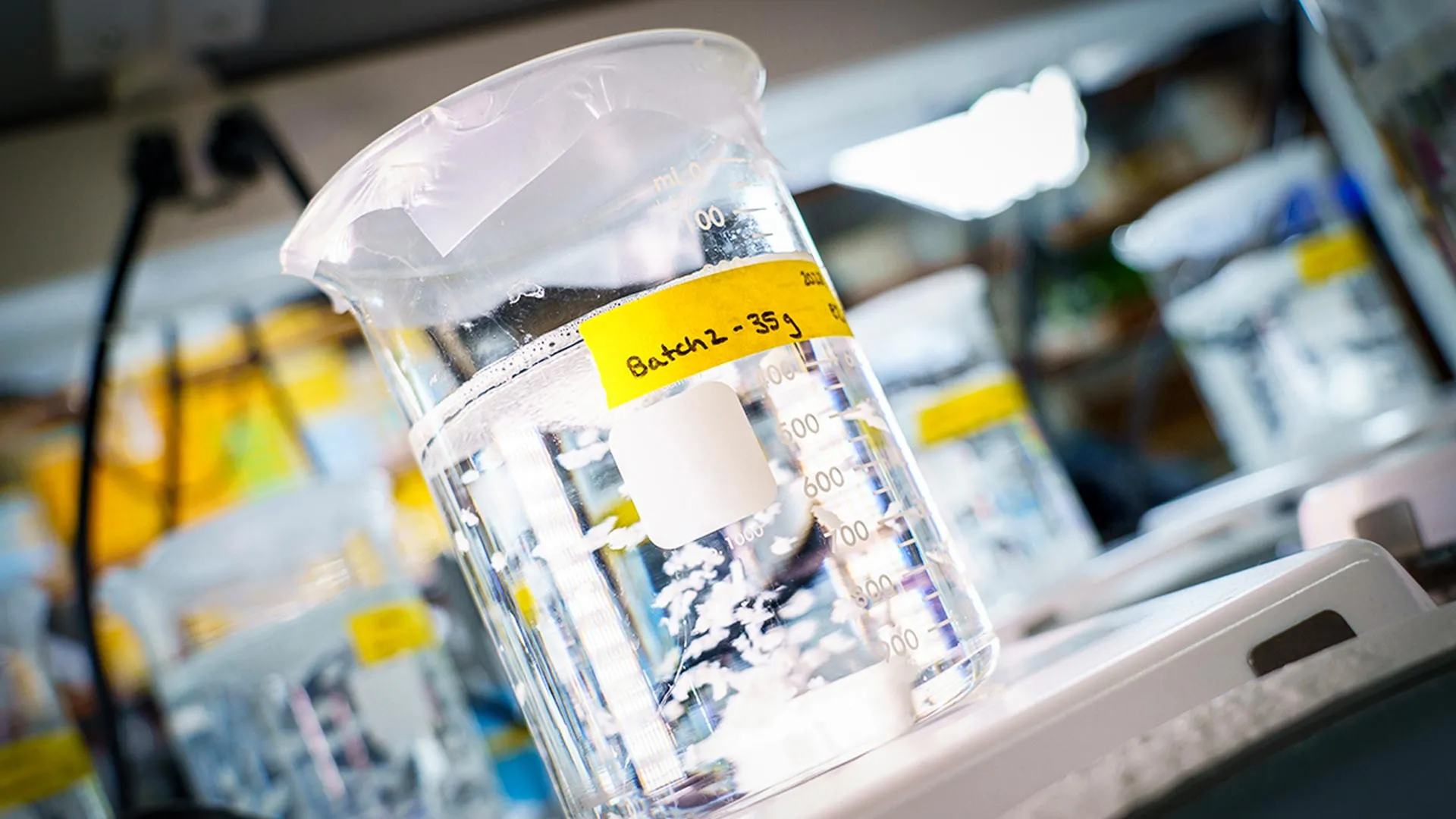
To overcome this, lead author Martin Spang and his team employed a process of enzymatic digestion and centrifugation to isolate nano-sized particles from the myocardial tissue. The resulting material is freeze-dried into a powder that can be reconstituted with sterile water. When introduced into the bloodstream, these particles behave as a smart-delivery system.
In pre-clinical trials, the results were striking:
- Inflammation Control: The material binds to "leaky" blood vessels, effectively sealing the gaps between endothelial cells. By stabilizing these vessels, the material halts the runaway inflammatory response that often worsens tissue death following a heart attack.
- Cardiac Function: In both rodent and porcine models, intracoronary infusion of the material led to measurable improvements. Researchers observed reduced left ventricular volumes and improved wall motion scores—key indicators that the heart is regaining its functional capacity.
- Gene Expression: Post-treatment analysis revealed significant shifts in gene expression, favoring pathways associated with tissue repair, lymphatic development, and myocardial salvage.
Official Perspectives: The Clinical Imperative
The medical community has greeted these findings with significant optimism. Dr. Ryan R. Reeves, a physician in the UC San Diego Division of Cardiovascular Medicine, views the potential for this therapy through the lens of daily clinical practice.
"Coronary artery disease, acute myocardial infarction, and congestive heart failure continue to be the most burdensome public health problems affecting our society today," Dr. Reeves notes. "As an interventional cardiologist, I would love to have another therapy to improve patient outcomes and reduce debilitating symptoms. This easy-to-administer therapy has the potential to play a significant role in our treatment approach."
The sentiment is echoed by the research team. Martin Spang emphasizes that the design philosophy was rooted in accessibility. By leveraging the bloodstream, the team has effectively turned the body’s own highway into a delivery mechanism for regenerative medicine, bypassing the need for high-risk, site-specific surgery.
Implications: Beyond the Heart
While the primary focus of the research has been the heart, the implications of this study are far-reaching. Because the biomaterial utilizes the universal delivery system of the vascular network, it is inherently agnostic to the organ it serves.
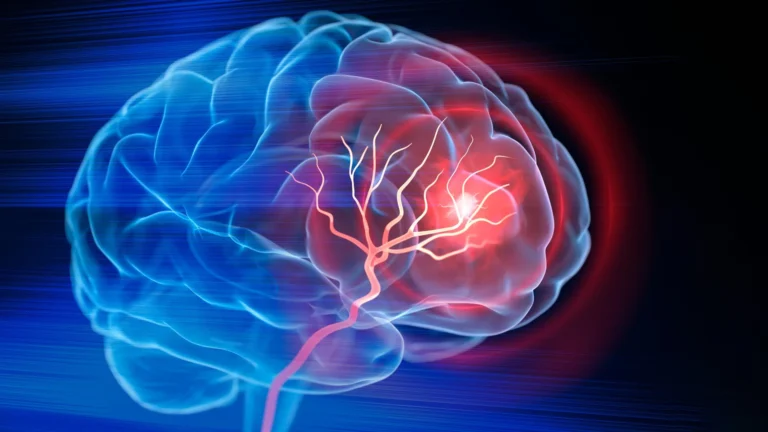
Proof-of-concept experiments in rat models have already suggested efficacy in treating traumatic brain injury and pulmonary arterial hypertension. This versatility opens a new frontier in medicine: the ability to treat "difficult-to-access" tissues. Whether it is an inflamed brain region or a compromised lung vessel, the ability to deliver regenerative support via an IV drip could eventually render many invasive surgical procedures obsolete.
The Path Forward: Regulatory and Clinical Hurdles
Despite the excitement surrounding the technology, the transition from lab to bedside remains a complex journey. The team is currently working toward FDA authorization to initiate human clinical trials for the intravascular biomaterial.
The clinical testing phase will be rigorous, tasked with answering three fundamental questions:
- Safety: Does the material cause adverse reactions or systemic toxicity when introduced into the human bloodstream?
- Practicality: Can the delivery be seamlessly integrated into existing hospital workflows, such as angioplasty or stenting procedures?
- Efficacy: Does the improvement in wall motion and reduced scarring observed in animal models translate to a meaningful improvement in quality of life for human patients?
While Ventrix Bio, Inc. is currently exploring other avenues for ECM technology—such as clinical trials for hypoplastic left heart syndrome—the intravascular material remains a priority for the future of cardiovascular care.
Conclusion
The development of an intravascular, inflammation-calming biomaterial marks a significant shift in how we view the "repair" of the human body. By moving away from mechanical patches and toward biological, system-wide restoration, researchers are tapping into the body’s innate capacity for healing.
Though we remain in the experimental stage, the vision is clear: a future where a heart attack is not merely managed, but actively reversed. If the forthcoming clinical trials prove successful, this "inside-out" therapy could become a standard tool in the cardiologist’s kit, potentially saving thousands of lives and preventing the long-term, debilitating progression toward heart failure. As science continues to blur the lines between engineering and biology, the prospect of repairing the most complex organs in the human body through a simple IV infusion is no longer a matter of "if," but "when."