











In a significant development for global cardiovascular health, a new experimental oral medication known as enlicitide has demonstrated the ability to lower "bad" low-density lipoprotein (LDL) cholesterol by up to 60%. The findings, published in The New England Journal of Medicine, represent a potential paradigm shift in how physicians manage patients at high risk for heart attacks and strokes. By combining the potency typically reserved for injectable biologics with the convenience of a daily pill, enlicitide could solve one of the most persistent hurdles in modern preventive cardiology: medication adherence.
The Magnitude of the Discovery: Main Facts
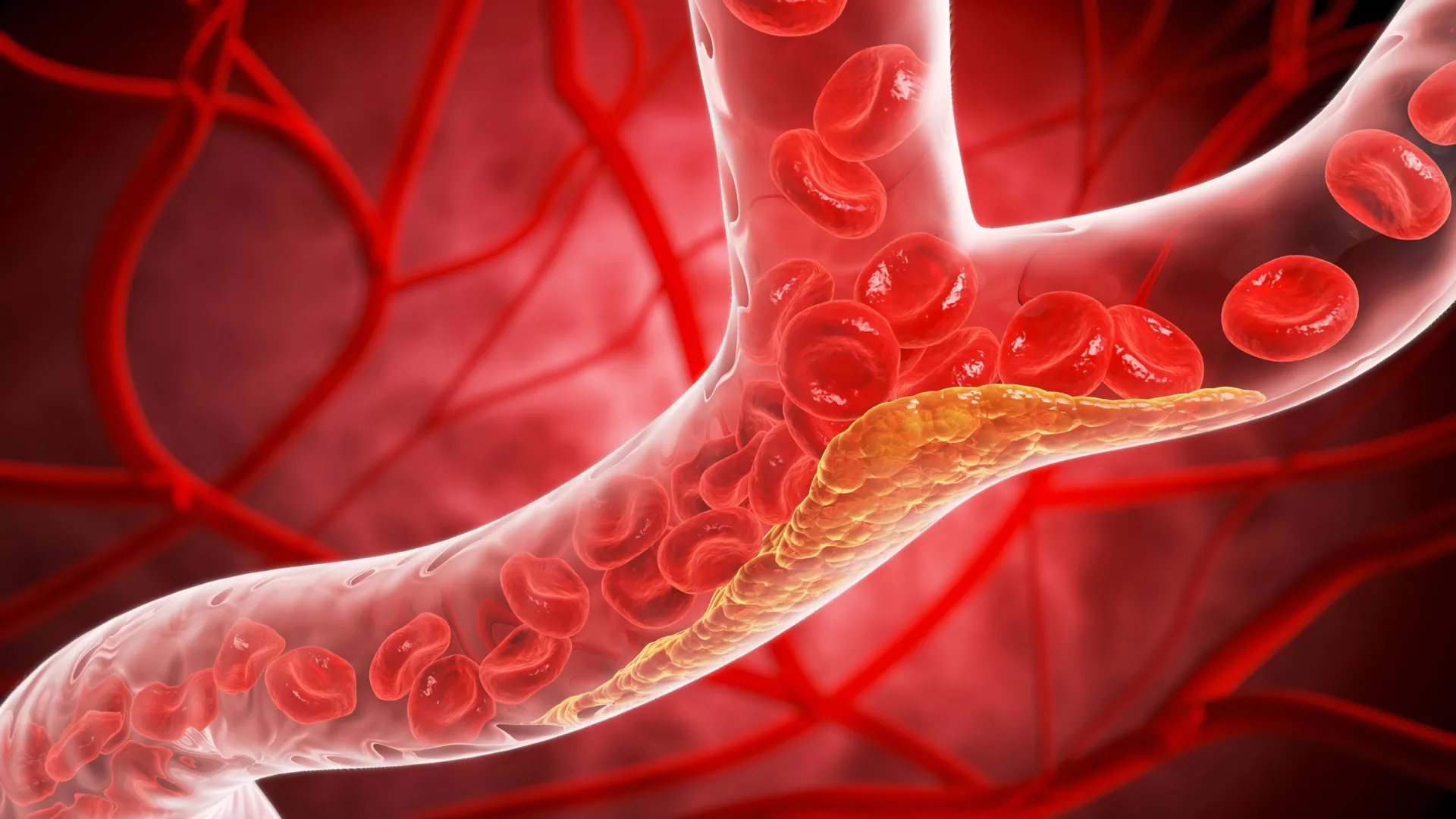
For decades, cardiovascular disease has remained the leading cause of mortality worldwide. Central to this crisis is LDL cholesterol, a waxy substance that accumulates in the walls of arteries, creating plaques that restrict blood flow—a process known as atherosclerosis. When these plaques rupture or block an artery entirely, the result is often a myocardial infarction (heart attack) or a cerebrovascular accident (stroke).
The phase three clinical trial for enlicitide, sponsored by pharmaceutical giant Merck & Co. Inc., enrolled 2,909 participants across a diverse spectrum of cardiovascular risk profiles. The primary outcome was clear: participants who added enlicitide to their existing statin regimens saw their LDL cholesterol levels plummet by 60% compared to those who received a placebo.
Most importantly, the study addressed a "real-world" population. Participants were not healthy volunteers; they were individuals with established atherosclerotic cardiovascular disease or those with high-risk conditions who, despite being on statin therapy, still had an average LDL level of 96 mg/dl. This is significantly higher than the clinical goal of 70 mg/dl (or 55 mg/dl for the highest-risk patients). The efficacy of enlicitide was not only profound but sustained, with improvements in LDL, non-HDL cholesterol, and apolipoprotein B maintained throughout a 52-week follow-up period.
A Legacy of Scientific Excellence: The Chronology of Progress
The development of enlicitide is not an isolated success; it is the culmination of decades of pioneering research, much of which originated at UT Southwestern Medical Center. The scientific lineage of this drug can be traced back to the mid-1980s, marking a unique evolution in our understanding of lipid metabolism.
The Nobel Prize Foundations (1985)
The story begins with Dr. Michael Brown and Dr. Joseph Goldstein, whose seminal work identifying the LDL receptor on liver cells fundamentally changed the medical community’s understanding of how the body clears cholesterol from the blood. Their discovery, which earned them the 1985 Nobel Prize in Physiology or Medicine, provided the blueprint for statins—the backbone of cholesterol management for the last 40 years.
The Genetic Insight (The Dallas Heart Study)
The narrative continued at the turn of the century with the Dallas Heart Study, led by Dr. Helen Hobbs and Dr. Jonathan Cohen. Their research identified individuals with naturally low LDL cholesterol, tracing this trait to genetic variations that reduced the production of a protein called PCSK9. This protein acts as a "brake" on the liver’s ability to clear LDL cholesterol. When PCSK9 is inhibited, the liver can process cholesterol far more efficiently. This discovery led to the development of injectable PCSK9 inhibitors, such as evolocumab and alirocumab, which proved that aggressively targeting this protein could drastically reduce cardiovascular events.
The Oral Revolution
While injectable PCSK9 inhibitors proved highly effective, they faced adoption challenges. Patients often expressed hesitation toward routine injections, and physicians frequently encountered barriers related to insurance coverage and the administrative burden of prescribing specialty injectables. Enlicitide represents the "third wave" of this research: applying the biological precision of PCSK9 inhibition to an oral, once-a-day pill format.
Data and Clinical Implications
The data presented in the trial is compelling for clinicians who struggle to get patients to their "goal" cholesterol levels. Dr. Ann Marie Navar, the lead investigator and Associate Professor of Internal Medicine at UT Southwestern, noted that the study population is a perfect reflection of the average high-risk patient in a modern cardiology clinic.
"Even the highest intensity statins are often not enough to get people to their cholesterol goals," Dr. Navar explained. "Fewer than half of patients with established atherosclerotic cardiovascular disease currently reach their LDL targets."
The trial data confirmed that enlicitide effectively "bridged the gap" left by statins. By targeting the PCSK9 pathway orally, the drug successfully lowered:
- LDL Cholesterol: By 60%.
- Non-HDL Lipoprotein Cholesterol: A key secondary marker for residual risk.
- Apolipoprotein B: A protein that carries cholesterol and is considered a better predictor of heart disease risk than LDL alone.
- Lipoprotein(a): A genetic factor that significantly increases the risk of premature heart disease.
Professional and Official Responses
The medical community has received the news with cautious optimism. While the reduction in cholesterol markers is historic, experts emphasize that the ultimate test is clinical outcomes.
Dr. Navar highlighted the potential impact: "An oral therapy this effective has the potential to dramatically improve our ability to prevent heart attacks and strokes on a population level."
However, the pharmaceutical industry and regulatory bodies are taking a systematic approach. Merck & Co. Inc. has already initiated a follow-up cardiovascular outcomes trial. This subsequent study is specifically designed to prove that the 60% reduction in LDL cholesterol directly translates into a reduction in "hard" clinical endpoints—namely, the number of heart attacks and strokes experienced by patients.
Ethical transparency was also a highlight of the publication. The study disclosed that Dr. Navar received consulting fees from Merck and other pharmaceutical companies involved in lipid-lowering research, ensuring that the trial results remain subject to rigorous peer review and scrutiny regarding potential conflicts of interest.
Future Implications: Why This Matters for Patients
If enlicitide receives FDA approval, it could redefine the "standard of care" for millions of Americans. The transition from injectable to oral therapy is a game-changer for several reasons:
- Medication Adherence: The psychological and physical burden of daily pills is significantly lower than that of self-administered injections. Higher adherence rates will, theoretically, lead to better real-world cardiovascular outcomes.
- Broadened Access: By simplifying the delivery mechanism, primary care physicians—who manage the vast majority of patients at risk for heart disease—may feel more comfortable prescribing the medication without the need for referral to a lipid specialist.
- Cost-Effectiveness: While the pricing of enlicitide has yet to be determined, the manufacturing of oral drugs is generally more scalable and less complex than that of monoclonal antibodies, potentially easing the financial burden on the healthcare system.
Conclusion: A New Era of Preventive Medicine
The journey from the lab benches of the 1980s to the phase three success of enlicitide demonstrates the power of persistence in medical science. By identifying the biological mechanisms of cholesterol clearance, scientists have systematically stripped away the hurdles that keep patients from achieving optimal heart health.
As the medical community awaits the results of the ongoing outcomes trial, the conversation has already shifted. We are moving toward a future where "bad" cholesterol is no longer a persistent, uncontrollable threat, but a manageable variable in the lives of millions. If the promise of enlicitide holds true, it will not just lower numbers on a laboratory report—it will save countless lives by preventing the silent, progressive damage of atherosclerosis before it ever reaches a critical stage.
For those currently struggling to keep their heart health in check, the emergence of a once-daily, highly effective oral treatment represents the most significant leap forward since the invention of the statin. As the FDA review process begins, the hope is that this new tool will soon be available to help patients achieve the one goal that matters most: living a longer, healthier life, free from the shadow of cardiovascular disease.