





Executive Summary: A Paradigm Shift in Preventive Cardiology
For decades, the standard of care for cardiovascular disease prevention has been reactive rather than proactive. Medical guidelines have traditionally reserved intensive cholesterol-lowering therapies—such as PCSK9 inhibitors—for patients who have already suffered a major cardiovascular event or have been diagnosed with advanced atherosclerosis. However, a landmark study presented at the American College of Cardiology’s Annual Scientific Session & Expo and simultaneously published in JAMA suggests that this conventional wisdom may be ripe for a fundamental shift.
Researchers from Mass General Brigham have reported that evolocumab, a potent cholesterol-lowering medication, can significantly reduce the risk of a first-time major cardiovascular event in individuals living with high-risk diabetes who have not yet developed clinical atherosclerosis. By intervening before plaque buildup becomes symptomatic, clinicians may be able to fundamentally alter the trajectory of heart disease for millions of patients.
The Chronology of the VESALIUS-CV Trial
The findings emerge from a rigorous subgroup analysis of the VESALIUS-CV randomized trial, a multi-year clinical investigation funded by Amgen Inc. To understand the significance of these results, one must look at the trial’s methodology and progression:
- Cohort Selection: Researchers focused on 3,655 patients who met the criteria for "high-risk diabetes." This classification was not merely based on blood sugar levels but on the duration and severity of the condition. Eligible participants had been living with diabetes for at least 10 years, required daily insulin therapy, or exhibited evidence of diabetes-related microvascular complications (damage to small blood vessels).
- The Intervention: Participants were randomized to receive either evolocumab—administered via bi-weekly injections—or a placebo. Crucially, all participants continued to receive standard-of-care treatments, including statins and ezetimibe, ensuring that the study tested the added benefit of the PCSK9 inhibitor against the current medical baseline.
- The Follow-up: The trial tracked participants over a median follow-up period of nearly five years, monitoring for major adverse cardiovascular events (MACE), including coronary heart disease death, heart attack, and ischemic stroke.
- Data Analysis: At the 48-week mark, researchers measured the efficacy of the drug in modulating lipid profiles, setting the stage for the long-term clinical outcome analysis released this year.
Supporting Data: The Power of PCSK9 Inhibition
The physiological impact of the treatment was both rapid and profound. Evolocumab belongs to a class of biologics known as PCSK9 inhibitors, which function by blocking a protein that prevents the liver from clearing "bad" LDL cholesterol from the bloodstream.
Lipid Profile Transformation
After 48 weeks of treatment, the disparity between the two groups was stark. Patients receiving evolocumab experienced a dramatic reduction in LDL-C levels compared to those on the placebo. The median LDL-C levels in the treatment group plummeted to 52 mg/dL, while the placebo group maintained levels closer to 111 mg/dL. This represents a roughly 51% reduction in bad cholesterol, highlighting the drug’s efficacy in aggressive lipid management.
Cardiovascular Risk Mitigation
The primary endpoint of the study—the prevention of a first major cardiovascular event—yielded compelling statistics. Over the five-year follow-up period:
- Risk Reduction: Patients treated with evolocumab experienced a 31% lower relative risk of their first major cardiovascular event compared to the placebo group.
- Event Rates: By the five-year mark, only 5% of patients in the evolocumab group had experienced a major cardiac event, compared to 7.1% in the placebo group.
- Safety Profile: Perhaps most importantly for clinicians considering long-term prescription, the study found that serious adverse events were reported at similar rates in both the treatment and control groups. This suggests that the intensive reduction of LDL-C was not only effective but also well-tolerated by this high-risk population.
Official Perspectives: Shifting the Clinical Narrative
The medical community has long been cautious about the aggressive use of injectable biologics for primary prevention due to cost and the lack of long-term data in asymptomatic patients. However, the authors of the VESALIUS-CV study are advocating for a more nuanced approach.
Dr. Nicholas A. Marston, MD, MPH, a cardiologist at the Mass General Brigham Heart and Vascular Institute and the corresponding author of the study, emphasized the gravity of these findings. "For over a decade, intensive cholesterol-lowering has been reserved for patients who already have cardiovascular disease," Dr. Marston stated. "These results demonstrate the benefit of intensive cholesterol lowering earlier and should change how we think about the prevention of heart attacks, strokes, and heart disease in patients without known significant atherosclerosis."
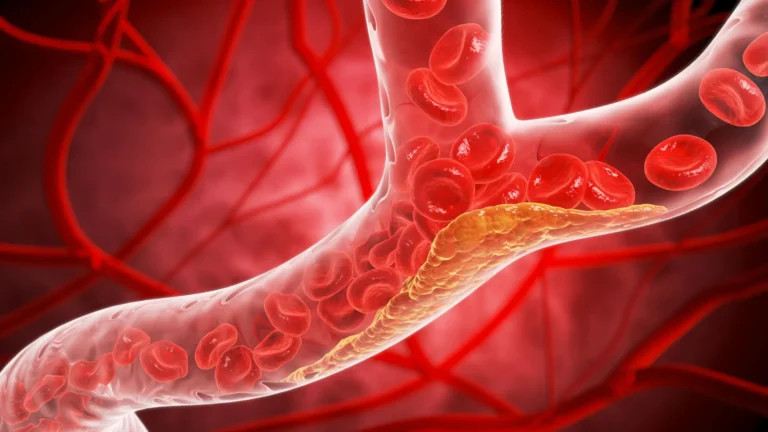
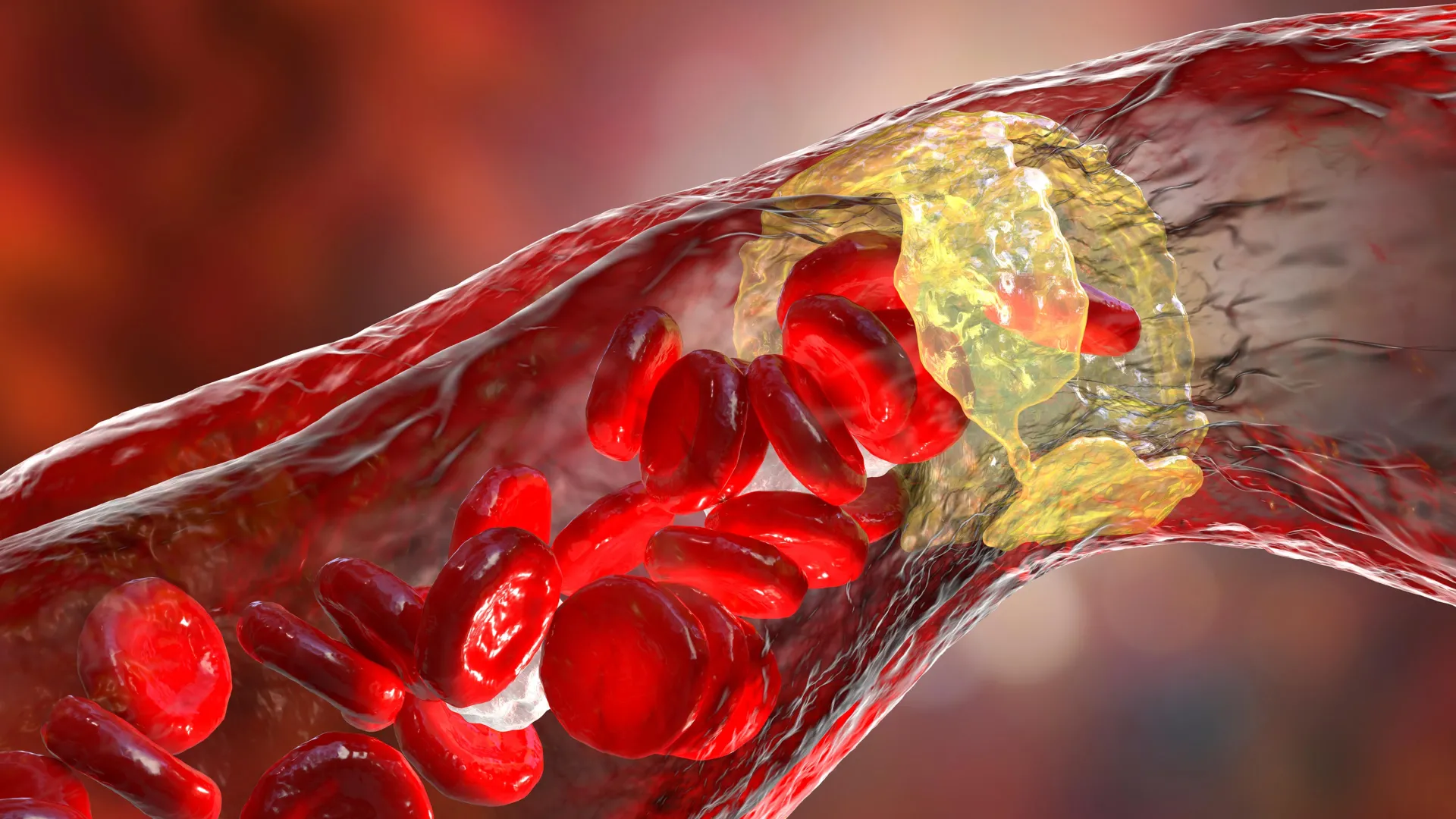
The study highlights a critical gap in current guidelines: the tendency to wait for the appearance of plaque before deploying the most effective pharmacological tools. By the time atherosclerosis is detectable, the disease process is often well-advanced. This study provides the clinical evidence required to justify earlier intervention in patients whose metabolic profile—specifically high-risk diabetes—predisposes them to catastrophic cardiac outcomes.
Implications for Future Cardiovascular Care
The implications of these findings extend far beyond the laboratory. If these results are integrated into clinical guidelines, it could redefine the standard of care for millions of patients with diabetes worldwide.
Addressing the "Silent" Killer
Heart disease remains the leading cause of death globally. For patients with diabetes, the risk is compounded; diabetes is not just a metabolic disorder but a significant driver of vascular inflammation and plaque instability. The VESALIUS-CV trial provides a pathway to target this risk before the first "silent" event occurs.
The Need for Continued Research
While the findings are promising, the research team is careful to note that this is only the beginning. The study specifically targeted high-risk diabetes patients, and future research is required to determine if these benefits can be extrapolated to other high-risk cohorts who lack established atherosclerosis. Furthermore, health economists will likely weigh in on the cost-benefit ratio of utilizing PCSK9 inhibitors in primary prevention, a factor that will be essential for widespread adoption by insurance providers and healthcare systems.
Author Disclosures and Transparency
The study involved a large international team of contributors, including researchers from the TIMI Study Group at Brigham and Women’s Hospital. Given the funding provided by Amgen Inc., the researchers maintained rigorous transparency protocols. Many contributors reported receiving personal fees, grant support, or research funding from Amgen and other pharmaceutical entities. These disclosures are standard for large-scale clinical trials and underscore the necessity of peer review and independent analysis, which were satisfied by the study’s publication in JAMA.
Conclusion: A New Era of Primary Prevention?
The Mass General Brigham study offers a tantalizing possibility: that we might soon be able to treat cardiovascular risk as a manageable metabolic condition rather than a disease defined by past trauma. By proving that evolocumab can safely and significantly reduce the incidence of first-time cardiac events in high-risk diabetes patients, researchers have provided the medical community with a powerful new tool.
As the medical field continues to digest these findings, the conversation will likely shift toward identifying which patients stand to benefit most from such early, aggressive intervention. If the "reactive" model of cardiology can be replaced by a "proactive" one, the potential to save lives and prevent the long-term morbidity associated with heart attacks and strokes is immense. The VESALIUS-CV trial serves as a clarion call for cardiologists and endocrinologists to collaborate more closely, ensuring that patients at high risk are identified and treated before the first heart attack strikes.