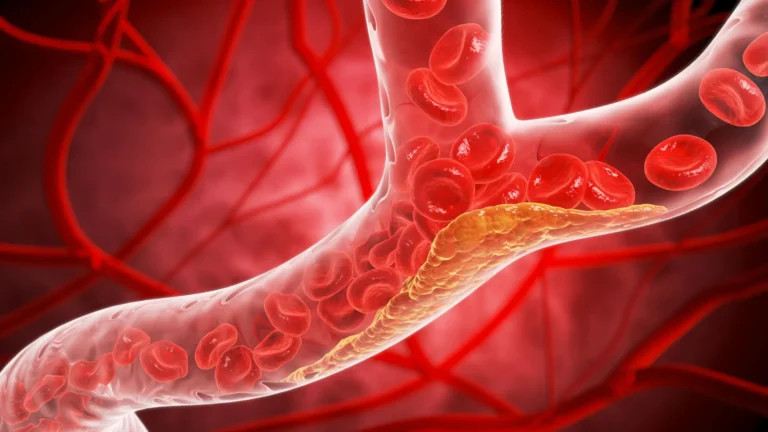




A quiet, escalating crisis is unfolding within the American healthcare system. Despite decades of medical advancement, a new scientific statement published in the American Heart Association’s (AHA) flagship journal, Circulation, reveals a sobering trajectory: cardiovascular disease (CVD) is not only the leading killer of women in the United States, but it is also poised to reach epidemic proportions over the next quarter-century.
The report, titled "Forecasting the Burden of Cardiovascular Disease and Stroke in the United States Through 2050 in Women," provides a data-driven look at the future of heart health. The findings suggest that by 2050, nearly 6 in 10 American women will be living with some form of cardiovascular disease. This projection serves as a clarion call for a radical shift in how the nation views women’s health, moving away from reactive treatment toward a model of lifelong prevention.
The Magnitude of the Challenge: Main Facts and Economic Impact
The statistical landscape presented by the AHA is stark. Currently, more than 62 million women in the U.S. are living with cardiovascular disease, an umbrella term that includes coronary heart disease, heart failure, atrial fibrillation, and stroke. The financial toll of this burden is equally staggering, costing the U.S. economy at least $200 billion annually.
"One in every three women will die from cardiovascular disease—maybe it’s your grandmother, or your mother or your daughter," explains Dr. Karen E. Joynt Maddox, chair of the writing group and professor of medicine and public health at Washington University School of Medicine in St. Louis. "Our estimates indicate that if we stay on the current path, these numbers will grow substantially over the next 25 to 30 years."
The projections suggest that the prevalence of heart failure, stroke, and atrial fibrillation will see significant upticks. Driving this surge are three primary, interconnected metabolic and lifestyle factors: high blood pressure (hypertension), obesity, and diabetes. These "big three" risk factors are not merely stable; they are on an upward trajectory across almost all age groups and demographics.
A Chronology of Risk: From Childhood to Menopause
One of the most alarming aspects of the report is the revelation that the seeds of cardiovascular disease are being sown far earlier than previously assumed. Heart health is a longitudinal journey, and the decline begins in childhood.
The Childhood Foundation
By 2050, nearly 32% of girls between the ages of 2 and 19 are projected to have obesity—a 12% increase from current levels. This early-onset obesity is tied to a broader decline in physical activity and nutritional quality. Projections indicate that over 60% of girls will lack sufficient physical activity by 2050, while more than half will struggle with poor dietary habits. Pediatricians are being urged to treat these markers with the same urgency as acute illnesses, as they set the stage for chronic disease throughout a woman’s life.
The Critical Transition Years
As girls enter adulthood, the risks compound. The report highlights that cardiovascular risk factors are not "old age" problems. Young women are increasingly facing hypertension and metabolic dysfunction. Dr. Stacey E. Rosen, president of the American Heart Association and executive director of the Katz Institute for Women’s Health, notes that women face unique biological milestones—pregnancy, perimenopause, and menopause—that act as "stress tests" for the cardiovascular system.
"We know the factors that contribute to heart disease and stroke begin early in life, even among young women and girls," Dr. Rosen says. "Significant health changes during pregnancy, perimenopause and menopause make it particularly important to pay close attention to increases in health risk factors during those times."
Supporting Data: Demographic Disparities
The report underscores that the cardiovascular burden is not distributed equally. Systemic and social determinants of health—such as poverty, limited access to healthy food, rural isolation, and low health literacy—disproportionately impact women of color.
- Hispanic Women: Projected to see the largest increase in high blood pressure, with rates climbing by more than 15%.
- Asian Women: Expected to experience the sharpest rise in obesity, with an anticipated increase of nearly 26%.
- Black Women: Projected to continue facing the highest overall risk. By 2050, more than 70% of Black women are expected to have high blood pressure, over 71% to have obesity, and nearly 28% to have diabetes.
These figures illustrate that any effective intervention must be culturally competent and address the environmental factors that limit a woman’s ability to maintain "ideal heart health."
Encouraging Trends and the "Life’s Essential 8"
Despite the grim projections, the data is not entirely negative. There is a projected decline in high cholesterol levels across almost all groups of women. Furthermore, there is a modest but measurable trend toward improved health behaviors, such as reduced smoking and better dietary choices.
The AHA points to Life’s Essential 8—a roadmap for cardiovascular health—as the gold standard for reversal. These include four health behaviors (eat better, be more active, quit tobacco, and get healthy sleep) and four health factors (manage weight, control cholesterol, manage blood sugar, and manage blood pressure).
"I like to call Life’s Essential 8 a prescription for health," Dr. Rosen states. "Scientific research recognizes that as much as 80% of heart disease and stroke can be prevented. This report projects a concerning future, however, it’s not too late to take the first steps to healthier outcomes."
Implications for Healthcare and Policy
The scientific statement concludes that while medical advancements have succeeded in reducing mortality from acute events like heart attacks, the healthcare system is failing to prioritize primary prevention. The authors suggest several systemic shifts:
1. Reorienting the Healthcare Model
Prevention must be integrated into schools, community centers, and routine check-ups. Physicians—including pediatricians and gynecologists—should view every patient encounter as an opportunity for cardiovascular screening. For instance, the report suggests that early onset of menstruation should be documented as a potential indicator of higher long-term cardiovascular risk.
2. Leveraging Innovation
The rise of digital health tools, artificial intelligence, and new classes of metabolic medications for obesity offers unprecedented opportunities for management. However, Dr. Joynt Maddox notes that while we have the "tools," we lack the "systems." Hospitals and policymakers must create infrastructure that allows for long-term, team-based care rather than fragmented, episodic visits.
3. Addressing Social Determinants
Health systems must expand their scope beyond the clinic walls. Addressing the "social determinants of health"—such as access to nutritious food, safe environments for physical activity, and affordable housing—is just as critical as prescribing medication. For Black women and other marginalized groups, this means designing interventions that directly confront the systemic barriers to health.
4. Advocacy and Awareness
Perhaps the most concerning trend cited by the AHA is the declining public awareness of heart disease as a woman’s primary health threat. "Every woman of every age should understand her risk of heart disease and stroke and be empowered to take action," Dr. Rosen urges. "Know your numbers, listen to your body and be an advocate for your health."
Conclusion: A Path Forward
The 2050 projections from the American Heart Association serve as a sobering map of where we are headed if we remain on our current course. However, the report is fundamentally an optimistic document, built on the premise that the future is not yet written. By refocusing efforts on early intervention, addressing the specific health needs of women across their lifespan, and committing to the "Life’s Essential 8," the medical community believes the trajectory of cardiovascular disease can be bent.
The challenge is significant, but the solution lies in a concerted effort by policymakers, healthcare providers, and women themselves. As Dr. Joynt Maddox notes, "Society has come so far in medical advancements, but the same can’t be said for innovation and progress around cardiovascular health, wellness and prevention." The era of waiting for a heart attack to act must end; the era of proactive, lifelong cardiovascular protection must begin.