




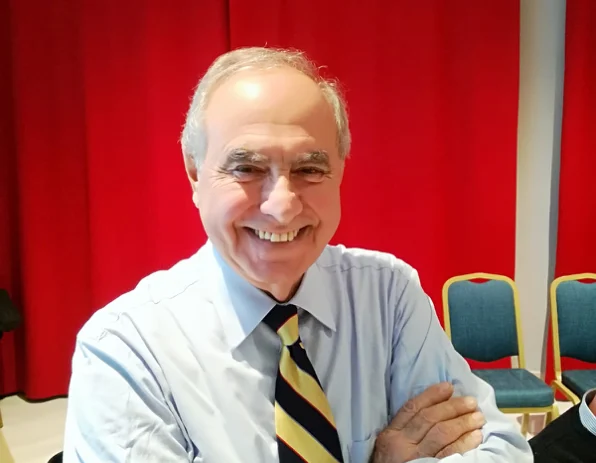
In the high-stakes world of global pharmaceuticals and medical devices, Luciano Cattani was accustomed to shaping strategy, advising boards, and navigating the complexities of international healthcare markets. He was a man who spent his career building the infrastructure of modern medicine. However, at age 65, the trajectory of his life—and his understanding of the healthcare systems he helped build—was fundamentally altered by a single, life-altering diagnosis: late-onset severe asthma.
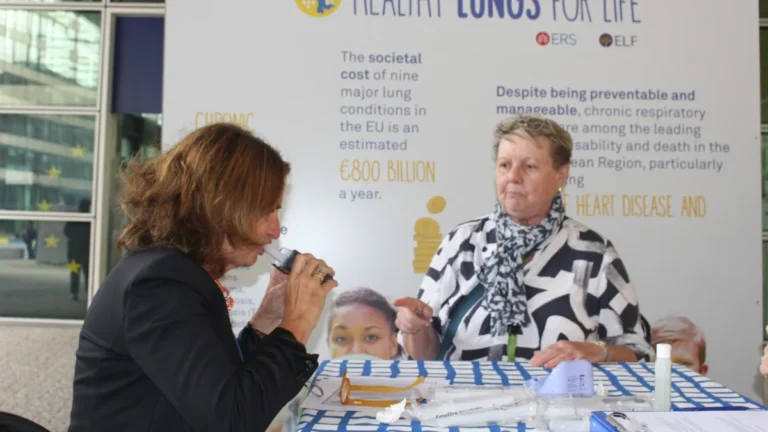
Today, Cattani serves as a bridge between the clinical rigor of respiratory research and the visceral, often harrowing reality of the patient experience. As a co-founder of AsmaGrave (Italy’s Severe Asthma Association) and a pivotal member of the European Lung Foundation’s (ELF) Asthma Patient Advisory Group, he has become a leading voice in the push to reform how we treat, diagnose, and live with chronic respiratory conditions.
The Chronology of a Crisis: A Journey from Executive to Patient
Cattani’s transition from a healthcare leader to a patient was both sudden and traumatic. Having spent decades in executive roles at top-tier pharmaceutical and medical device firms, he possessed a sophisticated knowledge of the industry. Yet, when his own health began to fail, that expertise provided little shield against the systemic failures of the medical system.
- The Onset (Age 65): The first symptoms of severe asthma emerged with little warning, rapidly devolving into a five-year ordeal marked by debilitating flare-ups.
- The Diagnostic Gap: For six years, Cattani navigated a labyrinth of emergency room visits and inconclusive consultations. During this time, his professional life came to a grinding halt, impacting his financial stability and his family’s quality of life.
- The Treatment Odyssey: Even after a diagnosis was finally reached, it took another two years of trial and error before he was prescribed the regimen that would eventually restore his health.
- The Advocacy Pivot: Recognizing the systemic nature of his struggle—specifically the lack of specialized care and the diagnostic delays prevalent in Italy—Cattani co-founded AsmaGrave. His mission was clear: to ensure no other patient would have to endure an eight-year wait for effective management.
Supporting Data: The Hidden Toll of Severe Asthma
The challenges Cattani faced are not isolated incidents; they are symptomatic of a broader, systemic crisis in respiratory care. Current data paints a stark picture of the landscape for severe asthma patients:
- Diagnostic Delay: On average, patients with severe asthma wait nearly three years for a definitive diagnosis. This delay is not merely a bureaucratic inconvenience; it is a clinical failure that leaves patients vulnerable to long-term systemic damage.
- The Corticosteroid Trap: In the absence of specialized, targeted therapies, many patients remain trapped in a cycle of repeated oral corticosteroids and antibiotics. While these provide temporary relief, long-term reliance is associated with severe side effects, including diabetes, osteoporosis, and increased cardiovascular risk.
- The Prevalence Gap: Research currently being spearheaded by the European Respiratory Society (ERS) Task Force—in which Cattani is an active contributor—is working to map the evolution of severe asthma in older patients across 23 European countries. The goal is to standardize data collection to better understand the true prevalence of the condition and address the disparities in care access.
The Patient as Partner: Integrating Lived Experience into Clinical Research
As the 2026 ERS Congress approaches, the central theme of "Partnership" is more than just a buzzword for the medical community; it is a fundamental shift in how research is conducted.
Cattani argues that clinicians and researchers have a "blind spot" when they focus exclusively on clinical metrics. While forced expiratory volume (FEV1) and other biomarkers are essential, they do not quantify the quality of life or the psychological burden of navigating a healthcare system that is often indifferent to the patient’s day-to-day reality.
Bridging the Language Gap
One of the most significant barriers to true partnership is the "language of research." Cattani emphasizes that effective involvement requires a two-way effort:
- Patient Empowerment: Patients require training and support to translate their experiences into insights that researchers can utilize.
- Clinical Accessibility: Researchers must simplify their methodologies and communication styles, ensuring that the patient is not just a subject of study, but a co-investigator.
Cattani points to the management of "flare-ups" as a prime example of where this collaboration is needed. Currently, there is no standardized protocol across Europe. Some patients receive a comprehensive "flare-up kit" and actionable education, while others are left to manage acute episodes in isolation. By integrating patient insights into these protocols, clinicians can create more effective, empathetic, and standardized care pathways.
Official Perspectives: The Four Pillars of Reform
During his work with the ERS Task Force and the Asthma Patient Advisory Group, Cattani has distilled his advocacy into four fundamental pillars. These objectives serve as the roadmap for his ongoing collaboration with international health bodies:
- Earlier Identification: Moving beyond traditional symptoms to detect the markers of severe asthma before the condition causes irreversible damage.
- Quicker Diagnosis: Cutting the current three-year diagnostic delay through better training for primary care physicians and improved access to respiratory specialists.
- Effective Treatment: Shifting the paradigm away from systemic corticosteroids toward targeted, biologics-based therapies that address the underlying pathology of the disease.
- Together (The Partnership Model): The final, most critical pillar. Clinical care must be a shared enterprise where the patient’s lived experience is weighted with the same authority as the clinician’s data.
Implications for the Future of Healthcare
The implications of Cattani’s advocacy are significant for the pharmaceutical and medical research industries. For years, the industry operated on a "top-down" model of innovation. However, as the burden of chronic disease shifts toward an aging population, the "bottom-up" input of the patient has become a competitive and clinical necessity.
By involving individuals like Cattani in the design of clinical trials and the drafting of medical guidelines, organizations like the European Lung Foundation are ensuring that the end product—the treatment—is actually aligned with the needs of those it is intended to serve.
A Final Word
When asked what the 2026 Congress means to him, Cattani’s tone is reflective. He sees it as the maturation of a movement. "It is not enough to talk about patients," he notes. "We must move to the phase of establishing shared objectives. When the researcher, the clinician, and the patient are all sitting at the same table, working toward the same, clear, and urgent goals, that is when the landscape of healthcare changes."
His journey from a senior executive at a global medical device company to a patient advocate is a testament to the fact that even the most well-informed individuals are vulnerable to the gaps in our healthcare system. His life today is defined by the mission to close those gaps, proving that the most effective medicine is the kind that treats the patient not just as a set of symptoms, but as a partner in their own survival.
For those interested in the ongoing efforts of the European Lung Foundation or the Asthma Patient Advisory Group, please visit the official ELF website to sign up for newsletters, campaign updates, and expert-patient discussions on the future of respiratory health.