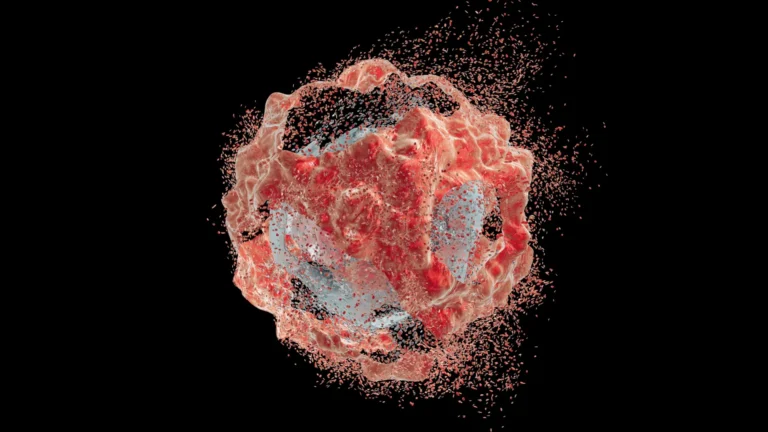




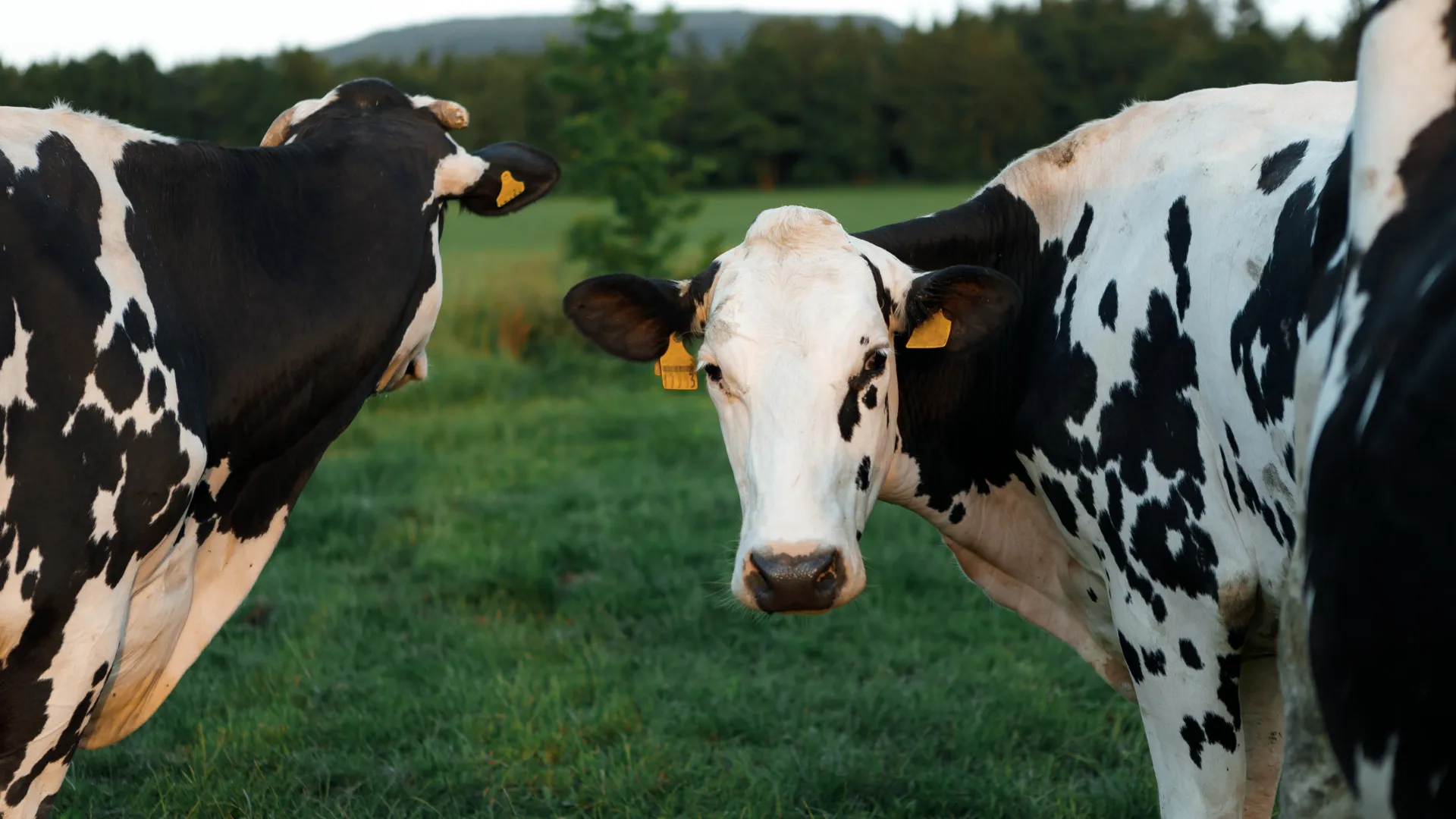
When the first reports of a mysterious illness began trickling out of the Texas Panhandle in early 2024, the dairy industry was braced for the usual suspects. Veterinarians, accustomed to the rhythmic demands of herd health, suspected bacterial infections—the traditional culprits behind mastitis, a painful and costly inflammation of the mammary glands. Yet, as the illness spread from herd to herd, moving across state lines with an alarming, silent efficiency, it became clear that the industry was facing an unprecedented adversary: H5N1, the highly pathogenic avian influenza virus.
For months, the clinical presentation of the virus baffled experts. Unlike its behavior in wild birds or its history of respiratory devastation in other mammals, H5N1 in cows was essentially bypassing the lungs. Instead, it was turning the bovine udder into a viral factory. Now, a landmark study published in Science Advances by researchers at the University of Pittsburgh School of Public Health has finally pulled back the curtain on this biological anomaly, offering a masterclass in molecular sleuthing and a blueprint for future pandemic preparedness.
The Chronology of an Unexpected Crisis
The H5N1 outbreak in U.S. dairy cattle did not unfold as a typical influenza event. Historically, influenza viruses are categorized by their affinity for the respiratory tract. When H5N1 arrived in the U.S. dairy supply, however, it defied the established medical playbook.
Early 2024: The Initial Confusion
The outbreak began with a sudden decline in milk production and the manifestation of necrotizing mastitis. Because the virus did not initially trigger the coughing, sneezing, or respiratory distress typical of bovine influenza, veterinarians were caught in a diagnostic blind spot. They treated the cattle for bacterial pathogens, unaware that they were dealing with a zoonotic virus that had crossed the species barrier.
Spring 2024: Identifying the Culprit
As the virus continued to shed in high concentrations into raw milk, the scope of the exposure became clear. The discovery that H5N1 was the primary driver of the mastitis cases sent shockwaves through the veterinary and public health communities. The virus was not just infecting cows; it was actively contaminating the dairy environment, posing a distinct occupational risk to farm workers and potentially impacting domestic animals, such as cats, that consumed raw milk.
Late 2024: The Scientific Breakthrough
Following the identification of the virus, researchers at the University of Pittsburgh School of Public Health, led by Dr. Suresh Kuchipudi, pivoted from clinical observation to molecular analysis. By mapping the "lock-and-key" architecture of the virus and the bovine cells, they provided the first empirical explanation for why the virus chose the udder over the lung.
The Mechanics of Infection: A Lock-and-Key Mystery
To understand why H5N1 acted so strangely in cows, one must understand the microscopic "handshake" that allows a virus to enter a cell. Influenza viruses rely on surface proteins to bind to sugar-based molecules called glycans on the surface of host cells.
Dr. Suresh Kuchipudi, chair of Infectious Diseases and Microbiology at Pitt Public Health, has spent his career decoding this glycan-receptor biology. Previous literature suggested that the respiratory tracts of cattle were theoretically susceptible to flu viruses, as they possessed the necessary glycan receptors. However, the lack of respiratory disease in the infected herds created a glaring scientific discrepancy.
"Glycan biology is incredibly complex," Dr. Kuchipudi explained. "We realized that to understand what was really happening, we needed to use more innovative technologies and map out the fine-detailed architecture that enables the virus to bind to cells."
By partnering with Harvard Medical School researcher Dr. Lauren E. Pepi, an expert in glycomics, the team employed a multi-modal approach. They combined binding experiments, histochemical staining, and ultra-high-resolution imaging to visualize the interaction between the H5N1 virus and bovine tissues.
The results were transformative. They discovered that the virus does not interact with all glycan receptors equally. Instead, it showed a highly specific affinity for a subtype known as N-linked sialic acid receptors. Crucially, these specific receptors were found in abundance throughout the udder tissue but were virtually absent in the airway tissues of the cattle. The udder was not just a secondary site; it was a perfect, specialized breeding ground for the virus.
Supporting Data: Why the Udder Won
The research team’s findings provide a robust explanation for the clinical observations. By proving that the virus was physically unable to gain a strong foothold in the respiratory system due to the lack of appropriate receptors, the team demystified the "non-respiratory" nature of the outbreak.
The implications of this data extend beyond the cow itself:
- Viral Shedding: The high concentration of the virus in milk is a direct consequence of the udder’s susceptibility. This explained the high transmission rates between cows during the milking process.
- Zoonotic Potential: The study underscores the risk to humans who come into contact with raw, virus-laden milk. While pasteurization remains a highly effective barrier against the virus, the study serves as a stark reminder of why raw milk consumption—even in the context of pets—carries significant biological risks.
- Diagnostic Precision: By identifying the specific receptors required for H5N1 infection, the team has provided a "molecular fingerprint" that can be used to scan other species for susceptibility.
Official Responses and Public Health Vigilance
The scientific community and agricultural regulators have reacted to these findings with a renewed sense of urgency. The U.S. Department of Agriculture (USDA) and public health officials have long emphasized that pasteurization destroys the H5N1 virus, making commercially available milk safe. However, the Pitt Public Health study reinforces the need for strict adherence to biosecurity protocols on farms.
"Mastitis is a classic disease in milk-production animals, and veterinarians were dutifully looking to all the usual suspects," Dr. Kuchipudi noted. "When the real culprit turned out to be bird flu, everyone in the field was caught completely by surprise. We hadn’t even remotely considered that cattle could be a host for H5N1."
This admission of surprise highlights a critical vulnerability in global surveillance systems. Because influenza viruses are traditionally screened for respiratory symptoms, an outbreak that presents as a reproductive or mammary issue can evade detection for weeks or even months. The Pitt study acts as a call to action for the global veterinary community to broaden their diagnostic horizons when encountering unusual clusters of disease.
Future Implications: Anticipating the Next Jump
The most significant takeaway from the Science Advances publication is the potential for proactive surveillance. Rather than waiting for an outbreak to occur and then retroactively identifying the virus, researchers can now use "glycan mapping" to predict which species might be at risk for future influenza shifts.
"We can preemptively screen different species and different tissues within them for susceptibility," Dr. Kuchipudi said. "The lessons learned could potentially help prevent us from being caught by surprise again."
This approach allows for a tiered risk assessment:
- Tissue Mapping: Identifying which organs (respiratory, mammary, neurological) contain the N-linked sialic acid receptors required by H5N1.
- Species Susceptibility: Screening domestic and livestock animals to see if their tissue architecture mirrors that of dairy cattle.
- Targeted Monitoring: Implementing surveillance programs in high-risk animal populations before a virus has the chance to spill over into human populations.
The work of Dr. Kuchipudi, Dr. Pepi, and their colleagues—including a multidisciplinary team from Pitt, Penn State, Harvard, and North Dakota State University—represents a shift from reactive medicine to predictive biology. By understanding the "why" behind the H5N1 dairy outbreak, science has turned a page in our understanding of viral evolution.
As we look toward the future, the integration of glycomics into standard viral surveillance may be the key to preventing the next zoonotic event. The story of the Texas dairy herds serves as a cautionary tale: pathogens are highly adaptable, often choosing the path of least resistance—or, in this case, the path of the most suitable receptor. With this new understanding, humanity is better equipped to ensure that the next time a virus attempts to cross the species barrier, we will be waiting.