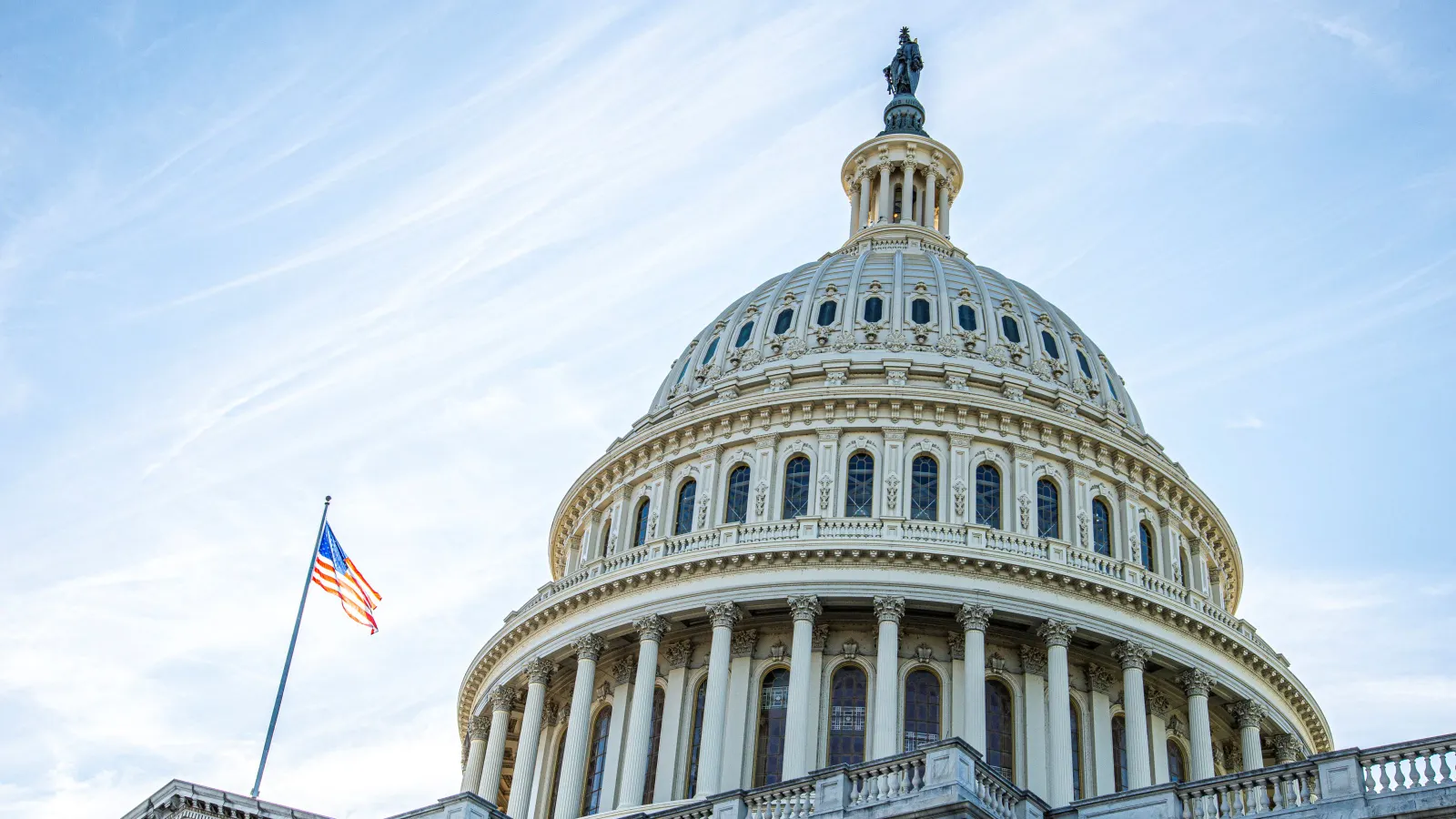
As the 2026 midterm elections approach, the corridors of Capitol Hill are already buzzing with the quiet, methodical work of investigative staff. While the political landscape remains in flux, congressional Democrats—eyeing potential majorities in the 120th Congress—are positioning themselves to launch a sweeping wave of oversight. This initiative aims to move beyond traditional legislative debates, shifting toward aggressive investigations into the healthcare sector, the private entities that serve it, and the administration’s regulatory footprints.
For healthcare organizations, the message from legal experts is clear: the time to assess exposure is now. Waiting until the new Congress is seated will likely leave firms scrambling to respond to document requests under compressed timelines, all while navigating the harsh glare of public and media scrutiny.
The Shift in Investigative Strategy
Traditionally, congressional oversight has focused heavily on the executive branch and federal agencies. However, the emerging paradigm shifts the lens directly onto the private sector. Ashley Joyner Chavous and Christopher Armstrong, attorneys at Holland & Knight, warn that companies, trade associations, consultants, investors, and contractors—particularly those interacting with federal healthcare programs or Trump administration officials—face heightened legal, reputational, and political risks.
Unlike standard civil litigation or administrative enforcement, congressional inquiries move at the speed of politics. They are public-facing, high-stakes, and often involve political theater that can damage a brand’s reputation long before a formal finding is ever reached.
Key Areas of Congressional Oversight
The oversight agenda is expected to be broad, anchored by four primary pillars of concern: affordability, the financialization of healthcare, market consolidation, and the rapid rise of artificial intelligence.
1. The Affordability Imperative
Affordability remains the "dominant organizing principle" for healthcare policy. Regardless of which party holds the gavel, the political pressure to address healthcare inflation is immense. Lawmakers are expected to scrutinize:
- Drug Pricing: Investigating manufacturer price hikes and the underlying strategies behind drug costs.
- Insurance Premiums: Examining the structure of cost-sharing and the rapid rise in premiums.
- Billing Practices: A deep dive into facility fees, compliance with the No Surprises Act, and the predatory nature of medical debt collection and credit reporting.
2. Private Equity and Financialization
The influx of private equity (PE) into the healthcare space has triggered significant alarm among Democratic lawmakers. Building on existing inquiries into nursing homes and emergency physician staffing, future probes are expected to investigate whether financial ownership structures prioritize investor returns over patient outcomes. Key targets include hospital acquisitions, real estate investment trusts (REITs) that own healthcare facilities, and the systemic impact of staffing reductions following a private equity takeover.
3. Market Power and Consolidation
Consolidation in the hospital sector has become a major flashpoint for antitrust regulators and Congress alike. Lawmakers are poised to question whether the rise of vertically integrated healthcare organizations has restricted competition and diminished care quality. These inquiries will likely overlap with investigations led by the Federal Trade Commission (FTC), the Department of Justice (DOJ), and various state attorneys general, creating a multi-front legal challenge for large hospital systems.
4. AI, Algorithms, and Data Security
Artificial Intelligence (AI) has moved from an innovation buzzword to an oversight priority. Committees are looking beyond the technology to examine the transparency, bias, and accountability of AI-assisted systems. Of particular concern are AI-driven prior authorization models, which have been criticized for potentially creating barriers to care for vulnerable populations. Furthermore, the role of third-party cloud providers and data analytics firms in handling sensitive patient information will be subject to intense scrutiny.
Oversight Risks Tied to the Trump Administration
If Democrats secure control of Congress, the investigative power of the subpoena will become a primary weapon. The focus will likely shift to the intersection of the private sector and the current administration.
Ethics and Conflicts of Interest
Democratic lawmakers have expressed persistent concerns regarding potential conflicts of interest among political appointees and special government employees. The inquiry will likely target:
- Communication Records: Documenting meetings between industry executives and administration officials.
- Ethics Waivers: Scrutinizing the granting of waivers and adherence to recusal requirements.
- Preferential Treatment: Probing whether specific companies received favorable regulatory or contracting outcomes due to political proximity.
Regulatory and Procurement Negotiations
Negotiations involving drug pricing, regulatory settlements, and enforcement discretion are expected to be front and center. Committees are likely to investigate the "most favored nation" initiatives and other pricing models, seeking to uncover whether private negotiations resulted in concessions that lacked transparency.
Chronology of Investigative Preparation
While the elections are still months away, the "pre-investigation" phase is already underway.
- Phase 1 (Current): Staffers are cultivating external sources, identifying whistleblowers, and beginning the process of requesting that companies preserve information.
- Phase 2 (Post-Election): Newly empowered committees will begin issuing formal document requests and scheduling high-profile hearings.
- Phase 3 (Implementation): The launch of public investigations, media inquiries, and potential follow-up subpoenas, which may force organizations to engage in high-stakes public relations and legal defense simultaneously.
Supporting Data and Implications
The scope of this oversight is not limited to healthcare providers. Vendors, technology firms, and consulting groups that have acted as intermediaries for federal contracts are at risk. For instance, the modernization of CMS technology infrastructure and emergency procurement processes during the Trump administration are already flagged as areas of interest.
The implication for the industry is a transition into a "new era" of scrutiny. Healthcare entities can no longer afford to operate in silos. They must integrate their legal, government relations, and communications strategies to prepare for the reality that a single congressional request can evolve into a multi-year, multi-agency ordeal.
Official Responses and Strategic Recommendations
While no specific company has yet been named as a primary target of the 120th Congress, the consensus among legal counsel is that silence is a losing strategy. Healthcare organizations are urged to:
- Conduct a "Pre-emptive Audit": Review all interactions with federal agencies over the last several years to identify potential areas of vulnerability, particularly regarding pricing and procurement.
- Establish Document Retention Protocols: Ensure that internal systems are capable of handling large-scale document production requests, which are the hallmark of congressional inquiries.
- Engage Counsel Early: Legal teams specialized in congressional investigations—as opposed to general corporate litigation—are essential for navigating the unique parliamentary procedures of the House and Senate.
- Public Affairs Readiness: Understand that a congressional investigation is a media event. Companies must have a clear narrative regarding their commitment to patient care, affordability, and regulatory compliance to counter the inevitable public narrative of "corporate greed."
Conclusion: The Path Forward
Congressional investigations are not merely administrative hurdles; they are instruments of political influence. As the legislative branch prepares for a potential shift in power, the healthcare sector stands at a crossroads. The bipartisan nature of concerns regarding costs and industry consolidation ensures that, regardless of the election results, the intensity of oversight will not wane. Organizations that proactively assess their exposure and strengthen their compliance frameworks today will be the ones best positioned to survive the turbulent political environment of the coming years.