By MedTech Staff | July 7, 2026
The year 2026 has emerged as a watershed moment for the diabetes technology sector. As the industry grapples with the dual pressures of rapid innovation and heightened regulatory scrutiny, manufacturers are pushing the boundaries of what is possible in automated insulin delivery (AID) and biosensing. From the emergence of multi-analyte monitoring to the competitive race for the next generation of tubeless insulin pumps, the landscape of diabetes care is shifting from reactive management to predictive, autonomous health maintenance.
The State of the Industry: A Mid-Year Synthesis
The diabetes technology market, once defined by the transition from finger-prick testing to continuous glucose monitoring (CGM), is now entering a phase of "biometric integration." The primary narrative of 2026 is the convergence of hardware sophistication and software autonomy.
However, this period of growth has not been without significant turbulence. The first half of the year served as a sobering reminder that as devices become more integrated into the daily life of a patient, the burden of manufacturing excellence and supply chain security increases exponentially. As companies like Abbott, Insulet, and Tandem battle for market share, they are simultaneously navigating a regulatory environment that is increasingly intolerant of quality management system (QMS) deviations.
Chronology of Key Events: Q1–Q2 2026
The trajectory of the first half of the year can be categorized by three distinct phases: the regulatory crackdown, the hardware evolution, and the strategic positioning for market dominance.
Phase 1: The Regulatory Wake-Up Call (January–March)
The year began with a series of stern interventions from the Food and Drug Administration (FDA). In a string of warning letters sent in early 2026, the agency highlighted systemic quality issues within the manufacturing pipelines of major players, including Abbott, Beta Bionics, and Unomedical. These letters, which focused on documentation failures and corrective action protocols, signaled a shift in FDA oversight: regulators are no longer just looking at device efficacy, but at the robustness of the manufacturing ecosystems that produce them.
Concurrently, the industry faced an unusual security challenge. Dexcom, a titan in the CGM space, revealed that a batch of its devices, which had been slated for destruction due to quality assurance concerns, had been stolen and illegally resold on the secondary market. This incident underscored the critical importance of secure supply chain management in the medical device industry.
Phase 2: Innovation and the Dual-Analyte Breakthrough (April–May)
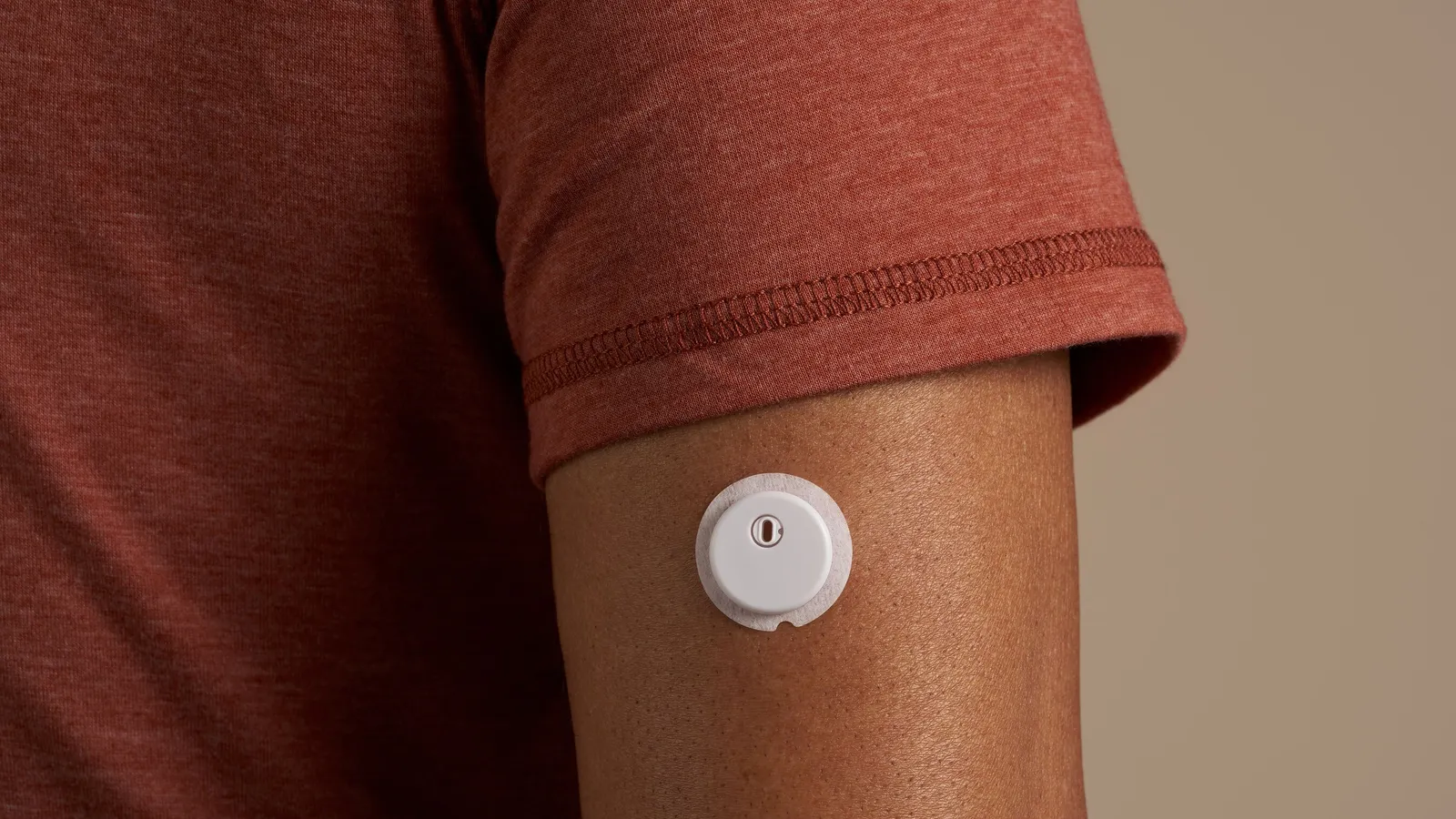
By the second quarter, the focus shifted toward product innovation. The standout development arrived in May, when Abbott secured the CE mark for its dual-analyte sensor. This device, capable of monitoring both glucose and ketones in real-time, represents a paradigm shift. For patients with Type 1 diabetes, the ability to monitor ketones—a precursor to the life-threatening complication known as diabetic ketoacidosis (DKA)—without an additional blood draw is a transformative clinical improvement.
Phase 3: The Pump Wars (June)
The end of the half-year saw a strategic realignment among insulin pump manufacturers. With Insulet’s Omnipod platform dominating the tubeless segment, competitors Tandem Diabetes Care and Beta Bionics unveiled their own timelines for wearable, tubeless patch pumps. This competitive pivot suggests that the future of insulin delivery is trending away from traditional tethered pumps toward discreet, wearable form factors.
Supporting Data: The Push for Full Automation
The ultimate goal of the industry is the "fully closed-loop" system—a device that requires zero user input, including the announcement of meals or the calculation of bolus doses.

Current systems, often referred to as "hybrid" closed-loop systems, still require users to input carbohydrate data to ensure the algorithm responds correctly to caloric intake. However, 2026 has seen major manufacturers, including MiniMed and Insulet, commit to accelerated development paths for "no-carb-entry" systems.
Market research indicates that the demand for these systems is driven by "alert fatigue" and the psychological burden of constant diabetes management. Clinical data presented at industry conferences in Q2 suggests that as these systems become more autonomous, patient adherence rates increase by approximately 22%, significantly lowering A1c levels over a six-month period.
Official Responses and Regulatory Outlook
The Regulatory Perspective
The FDA’s actions in 2026 have been interpreted by industry analysts as a "strengthening of the guardrails." In response to the warning letters, companies have been forced to allocate significant capital toward quality remediation. While these actions initially dampened stock performance for the affected companies, long-term investors view this as a necessary maturation of the sector. The agency is emphasizing that as diabetes devices transition from "tools" to "life-sustaining medical systems," the margin for error must shrink to near zero.
Industry Statements
Executives from the leading firms have adopted a tone of cooperative compliance. Abbott, in its response to the CE mark approval, emphasized the collaborative nature of their work with European regulators, noting that the dual-analyte sensor is the result of five years of iterative R&D.
Insulet, when discussing the competitive landscape of the patch pump market, has focused on their established "ecosystem"—the software, customer support, and interoperability that sets them apart from new entrants. "The hardware is only as good as the software that powers it," an Insulet spokesperson noted in a recent investor call.

The Strategic Implications for Patients and Providers
The shift toward more advanced diabetes technology carries profound implications for the clinical landscape:
- The Role of the Endocrinologist: As devices take over more of the decision-making process, the role of the healthcare provider is shifting from "insulin adjustment consultant" to "data analyst." Doctors are now spending more time reviewing sensor trends and algorithm performance rather than adjusting basal rates manually.
- Economic Access: The race to integrate sensors and pumps into a single ecosystem raises questions about insurance coverage. Patients are increasingly pushing for "bundled" insurance plans that cover the entire diabetes technology stack rather than individual components. The success of these devices hinges not just on their clinical efficacy, but on their ability to be reimbursed as a unified therapy.
- Security and Privacy: The Dexcom incident has forced a conversation about the digital footprint of diabetes management. As these devices become increasingly connected to smartphones and cloud-based analytics platforms, the threat of data breaches and the resale of compromised hardware becomes a critical risk management factor for manufacturers.
Conclusion: Looking Ahead to the Second Half of 2026
As we move into the second half of 2026, the industry is poised for further consolidation and technological leaps. The "patch pump" race will likely dominate headlines as Tandem and Beta Bionics move closer to commercial launches. Meanwhile, the integration of ketone monitoring into standard CGM platforms will likely become the new gold standard for high-risk patient care.
The overarching theme for the remainder of the year will be the balance between speed and safety. The companies that succeed will be those that can demonstrate not only that their technology works, but that their manufacturing and supply chains are resilient enough to support the growing reliance of millions of patients on these essential systems.
Diabetes technology has moved beyond simple monitoring; it is now a digital backbone for chronic disease management. While the first half of 2026 proved that the path to full autonomy is fraught with regulatory and logistical challenges, the progress made in sensor precision and automated delivery systems offers a glimpse into a future where diabetes, while still a chronic condition, requires significantly less of the patient’s mental and emotional bandwidth.