The landscape of respiratory healthcare in Europe is undergoing a profound transformation. No longer confined to the sterile, hierarchical boundaries of the clinic, the future of lung health is being forged through a collaborative, multi-stakeholder dialogue. At the heart of this movement is the European Respiratory Society (ERS) Presidential Summit, held in June 2026 in Warsaw, which served as a landmark event in integrating lived experience with cutting-edge clinical research.
This year’s summit marked a departure from traditional medical conferences, prioritizing the "patient voice" as a foundational element of policy and innovation. By bringing together patient representatives, researchers, and policymakers, the event signaled that the era of designing healthcare for patients is being replaced by the era of designing healthcare with patients.
The Core Objective: A Unified Front Against Lung Disease
The ERS Presidential Summit 2026 focused on the most pressing challenges facing the respiratory community: the urgent need for earlier detection, the impact of climate change on lung health, the necessity of robust tobacco control, and the integration of artificial intelligence (AI) into clinical practice.
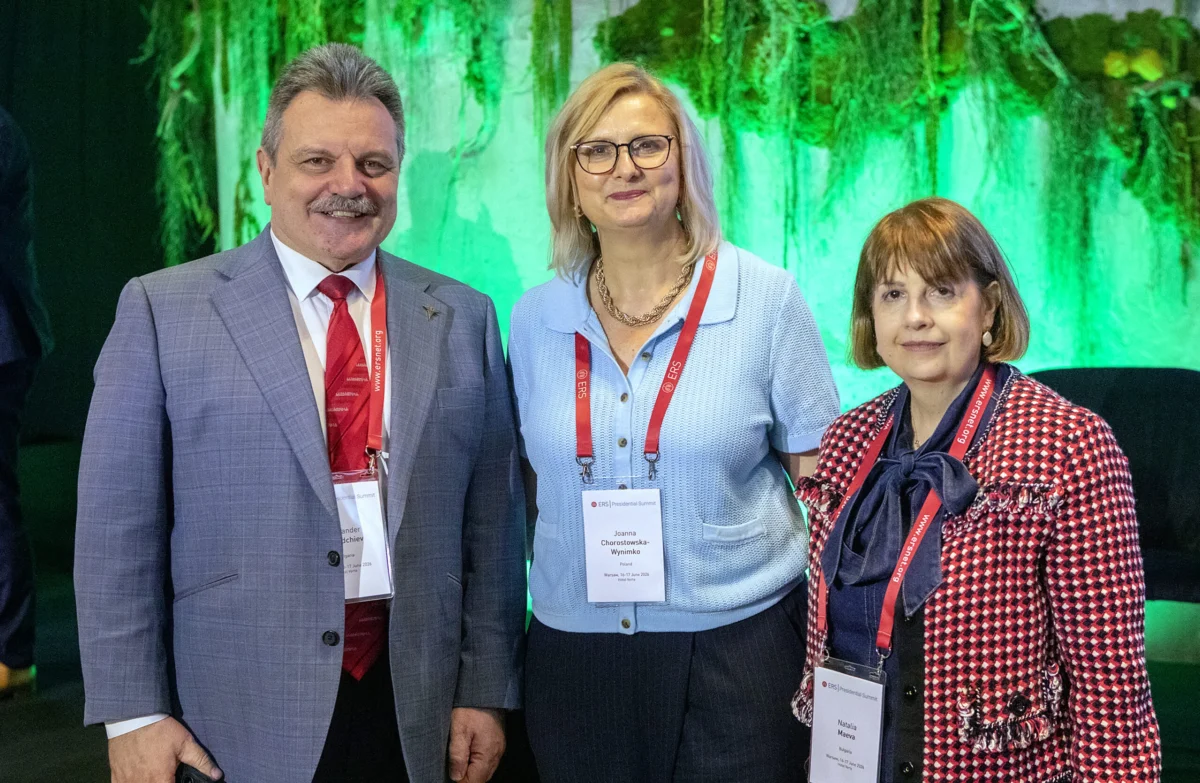
For the patient representatives in attendance, these were not merely abstract topics; they were life-altering issues. Natalia Maeva, Chair of the Bulgarian Society of Patients with Pulmonary Hypertension (BSPPH) and a lung transplant recipient, emphasized that the summit was a catalyst for changing the status quo.
"What impressed me most was the genuine willingness to listen," Maeva noted. "Scientists, clinicians, policymakers, and patients were not speaking in separate conversations—we were learning from one another."
Chronology of the Summit: From Policy to Patient Impact
The summit unfolded as a series of high-level discussions that bridged the gap between scientific innovation and the daily reality of those living with chronic conditions.
- Early Detection and Screening: Early in the proceedings, the focus shifted to the missed opportunities in routine health screenings. Phil Taverner, a long-standing advocate and incoming Chair of the European Lung Foundation (ELF), pointed to the "false economy" of neglecting respiratory health in standard check-ups.
- The Technology Debate: Mid-summit, the focus turned to the digital frontier. Discussions on Artificial Intelligence highlighted a critical consensus: AI should be a tool for clinical support, designed to enhance the efficiency of healthcare professionals without eroding the essential human connection that defines the patient-doctor relationship.
- Best Practices and Global Learning: The latter half of the event celebrated success stories, such as the Croatian national lung cancer screening program. This initiative was spotlighted as a blueprint for other European nations, proving that smaller, resource-conscious countries can lead the way in innovative, effective public health strategies.
Supporting Data and the "Patient Expertise" Paradigm
The shift toward patient-centered care is backed by a growing body of evidence suggesting that outcomes improve when patients are involved in the design of their own care pathways. However, as speakers at the summit noted, this is not just about sentiment—it is about functional expertise.
Patients possess a unique, granular understanding of their condition that textbooks simply cannot replicate. They understand the nuances of symptom management, the psychological burden of diagnosis, and the practical challenges of long-term treatment adherence.
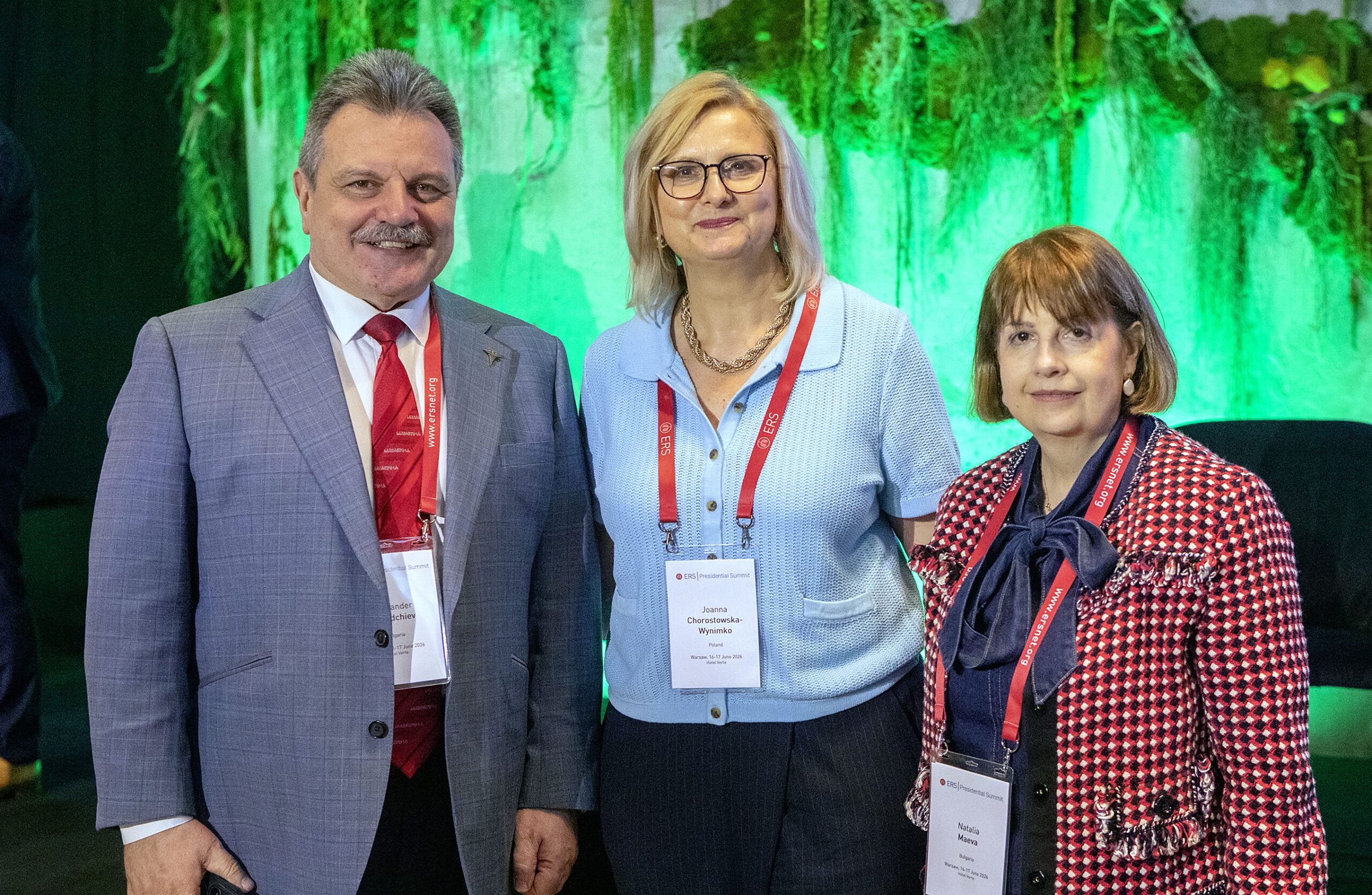
Key Stakeholder Perspectives
The summit featured voices from across the European spectrum, including:
- Natalia Maeva (BSPPH): Focused on the transformative power of early diagnosis, particularly for rare conditions like pulmonary hypertension.
- Phil Taverner (Incoming ELF Chair): Stressed the importance of maintaining critical thinking in the face of rapid AI adoption and regulatory hurdles.
- The Advocacy Contingent: Alongside Maeva and Taverner, figures such as Helen Parks (UPAG representative), Dimitris Kontopidis (current ELF Chair), and Stefan Radut (a tuberculosis survivor) ensured that the diverse spectrum of respiratory conditions—from asthma and bronchiectasis to lung cancer—was represented.
Official Responses and Strategic Implications
The implications of the Warsaw Summit are far-reaching. The ERS and the ELF have made it clear that "patient partnership" is no longer an aspirational goal, but an operational requirement.
Implications for Healthcare Systems
- Reframing the Economic Argument: The summit challenged the current fiscal approach to respiratory health. By proving that early detection programs prevent the high costs associated with advanced-stage chronic illness, advocates are pushing for a reallocation of healthcare budgets toward prevention.
- Regulatory Reform: The discussion regarding the speed of treatment approvals highlighted a tension between safety and accessibility. Patients and regulators are now entering a more mature dialogue about how to expedite life-saving therapies without compromising ethical standards.
- The Human-AI Nexus: Perhaps the most significant implication is the consensus on technology. Healthcare systems are being cautioned to prioritize "human-in-the-loop" systems. As AI tools proliferate, the goal is to use them to clear the administrative burden from clinicians, allowing them more time for the face-to-face interactions that patients value most.
The Path Forward: How to Get Involved
The success of the Warsaw Summit has provided a template for future advocacy. The European Lung Foundation is now scaling its efforts to ensure that the momentum generated in Warsaw permeates the national level.
For those interested in contributing to this evolution, the pathway is clear:
1. Joining Patient Advisory Groups (PAGs)
The ELF’s PAGs are the engine room of this movement. Composed of individuals with direct experience of specific lung conditions, these groups provide the essential feedback loops that inform research priorities and patient support projects. Interested individuals can reach out via [email protected] to find a community tailored to their experience.
2. The European Patient Ambassador Programme (EPAP)
Advocacy is a skill set that can be taught. The EPAP is a free, online, self-learning initiative designed to equip patients and caregivers with the knowledge needed to represent their interests effectively at a policy level. By mastering these skills, patients move from being passive recipients of care to active participants in the future of European respiratory health.
3. Maintaining the Dialogue
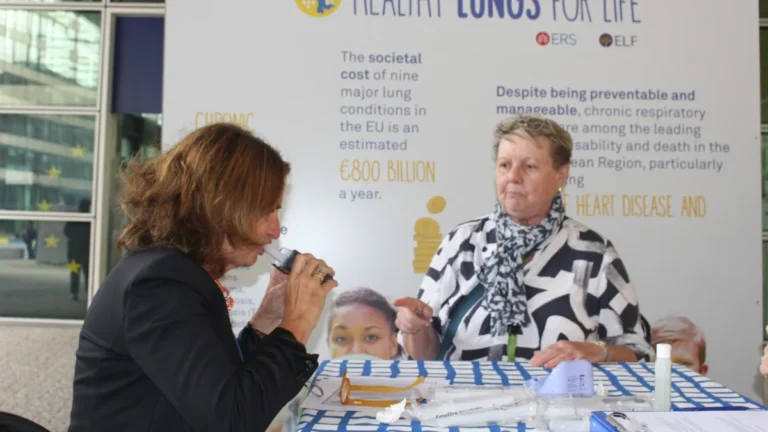
The summit demonstrated that when the ivory tower of clinical research is opened to the lived experience of the patient, the quality of care improves exponentially. Whether it is through participating in the Healthy Lungs for Life campaign—which will soon reach Sofia, Bulgaria—or engaging in ongoing research consultations, the call to action is universal: Speak up, share your experience, and help shape the next decade of respiratory health.
Conclusion
The 2026 ERS Presidential Summit has left an indelible mark on the respiratory health sector. It has validated the patient as a subject-matter expert and laid the groundwork for a more empathetic, efficient, and proactive approach to lung disease. As Europe looks toward the future, the integration of science and human experience stands as our strongest weapon against the rising tide of respiratory conditions. The work is far from finished, but the partnership between those who study the lungs and those who live with the reality of their limitations has never been stronger.