









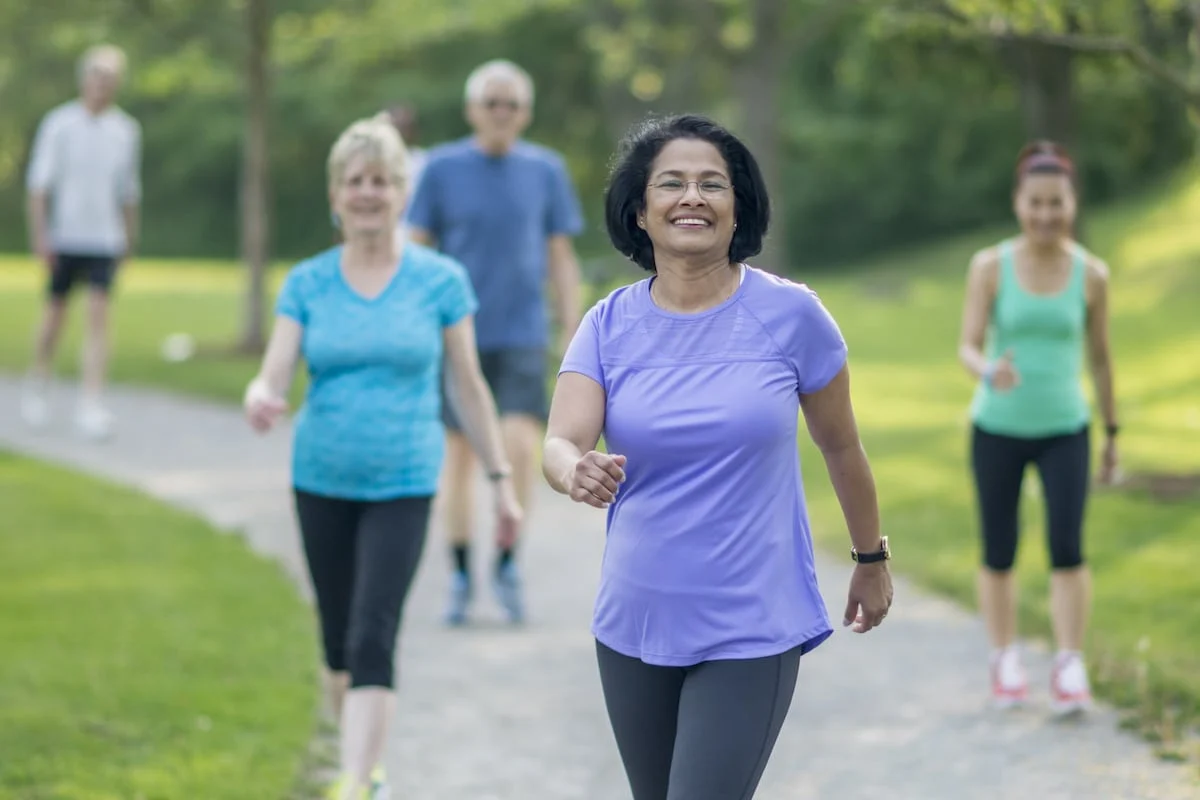
In an era dominated by high-intensity interval training, complex biometric tracking, and the clinical atmosphere of commercial gyms, a quiet revolution is taking place on the sidewalks and trails of our neighborhoods. The humble act of walking—once dismissed as a mere mode of transportation or a low-impact baseline—has emerged as the centerpiece of a burgeoning social movement. Organized walking clubs are proliferating, transforming parks and urban pathways into hubs of human connection, accountability, and sustainable health.
As recent data from the Fitness Journal (2026, Issue 7) suggests, we are witnessing a fundamental shift in how the public perceives physical activity. Moving away from the solitary, often grueling nature of traditional exercise, individuals are increasingly seeking "communal movement." This trend is not merely anecdotal; it represents a strategic pivot toward fitness models that prioritize mental well-being and social integration alongside cardiovascular health.
The Genesis of a Movement: A Chronological Evolution
The ascent of the walking club phenomenon did not occur in a vacuum. It is the result of a multi-year convergence of public health initiatives, urban planning, and post-pandemic social fatigue.
- 2020–2022: The Catalyst. The global pandemic forced a reckoning with how we exercise. With gyms shuttered, the sidewalk became the primary arena for physical activity. During this period, the "socially distanced walk" became the only sanctioned way to maintain interpersonal connections, laying the groundwork for organized groups.
- 2023: The Habitualization of the Walk. As the world reopened, the habit persisted. Data from global fitness trackers showed a sustained increase in "step-based" activity, even as indoor gym attendance fluctuated.
- 2024: The Rise of Micro-Communities. Local organizers began leveraging social media platforms to curate "interest-based" walks—walking for young mothers, walking for career networking, and "silent walking" clubs for those seeking mindfulness.
- 2025: Institutional Validation. The publication of landmark research, including the Circulation study on walking for health promotion (Paluch et al., 2025), provided the clinical backing needed for public health departments to begin formalizing walking infrastructure.
- 2026: Mainstream Integration. Fitness professionals and health organizations have officially pivoted, moving from promoting "exercise as medicine" to "social walking as a lifestyle intervention."
Supporting Data: Why Walking Works
The efficacy of the walking club model is rooted in the intersection of physiology and sociology. According to the World Health Organization’s 2025 report, Walking and Active Communities, the health benefits of walking extend far beyond the burning of calories.
The Physiology of the Pace
While intense workouts offer specific metabolic advantages, the consistency afforded by walking clubs is a game-changer. Paluch et al. (2025) note that the "sustainability factor"—the likelihood that a participant will stick to a routine over five years—is significantly higher in walking groups than in gym-based programs. By removing the "start-up friction" of changing into specialized gear or commuting to a facility, walking lowers the barrier to entry for the sedentary population.
The Social Multiplier
Research indicates that "co-acting," or performing a task alongside others, reduces the perceived rate of exertion. When participants are engaged in conversation, the psychological discomfort of physical effort is dampened. This social distraction allows individuals to walk for longer durations than they would if they were exercising in isolation, leading to greater total energy expenditure and improved heart health metrics.
Official Perspectives: Experts Weigh In
The transition from "walking for exercise" to "walking for community" has drawn attention from both the medical and fitness industries. We spoke with several experts to understand the shift.
The Clinical Perspective
Dr. Elena Rodriguez, a preventative medicine specialist, notes that the clinical community has spent decades trying to "prescribe" exercise with limited success. "The problem was never the movement; it was the isolation," she explains. "When we prescribe a gym membership, we are prescribing a chore. When we recommend a walking group, we are prescribing a social circle. The latter is far more difficult for a patient to quit."
The Fitness Professional’s Pivot
For personal trainers, the rise of walking clubs is a significant market shift. Many fitness professionals are now incorporating "active recovery" or "community walks" into their business models. "We see clients who are genuinely intimidated by the ‘gym culture’—the mirrors, the grunting, the competitive atmosphere," says Mark Henderson, a veteran fitness coach. "Walking clubs provide a safe, egalitarian space. Whether you are 25 or 75, the sidewalk doesn’t care about your fitness level. It’s the ultimate equalizer."
Implications for Public Health and Urban Planning
The rapid growth of these groups carries profound implications for how we design our cities and manage our public health systems.
Redefining Public Spaces
If the walking club is the new "third place"—a social environment separate from home and work—then our urban planning must adapt. Municipalities are seeing increased demand for "walkable infrastructure." This goes beyond just sidewalks; it includes increased lighting for evening walking clubs, benches for rest intervals, and the revitalization of green belts to accommodate group movement.
Combatting the Loneliness Epidemic
The most significant impact of the walking club movement may be on the mental health crisis. With rising rates of social isolation, the walking club acts as a low-stakes, high-reward intervention. It provides a structured way for individuals to interact with their neighbors, reducing the "social anxiety" often associated with new community engagement.
Economic Considerations
For local economies, a vibrant walking culture is a boon. Walking groups often terminate at local cafes, parks, or community centers. This "slow movement" economy encourages residents to engage with their local businesses in ways that high-speed transit or car-based commuting does not allow.
The Road Ahead: Future Challenges
Despite the clear benefits, the movement faces challenges. Accessibility remains a concern; walking clubs must be intentionally designed to include individuals with varying levels of mobility. Furthermore, the reliance on weather-dependent outdoor activity requires innovative solutions, such as the use of indoor malls or public indoor spaces during winter months.
As we look toward the latter half of the 2020s, the walking club is poised to become a staple of public health policy. It is a rare example of a fitness trend that is affordable, scalable, and inherently inclusive. By stripping away the need for expensive equipment and high-pressure environments, these clubs are proving that the most advanced piece of health technology we have is, and has always been, our own two feet.
References for Further Study
- Paluch, A. E., Saint-Maurice, P. F., Lavie, C. J., & Kraus, W. E. (2025). Walking for health promotion: Contemporary evidence and public health applications. Circulation, 151(4), 312–324.
- World Health Organization. (2025). Walking and active communities: Global recommendations for physical activity promotion. Geneva, Switzerland: World Health Organization.
- Fitness Journal – 2026, Issue 7. (2026). "The Social Stride: How Group Dynamics are Reshaping Personal Fitness."
This article is intended to provide a comprehensive overview of the social and physical benefits of walking clubs as highlighted in current health literature and industry reporting. For those interested in joining or starting a group, local community centers and public health departments serve as the best starting points for localized resources.