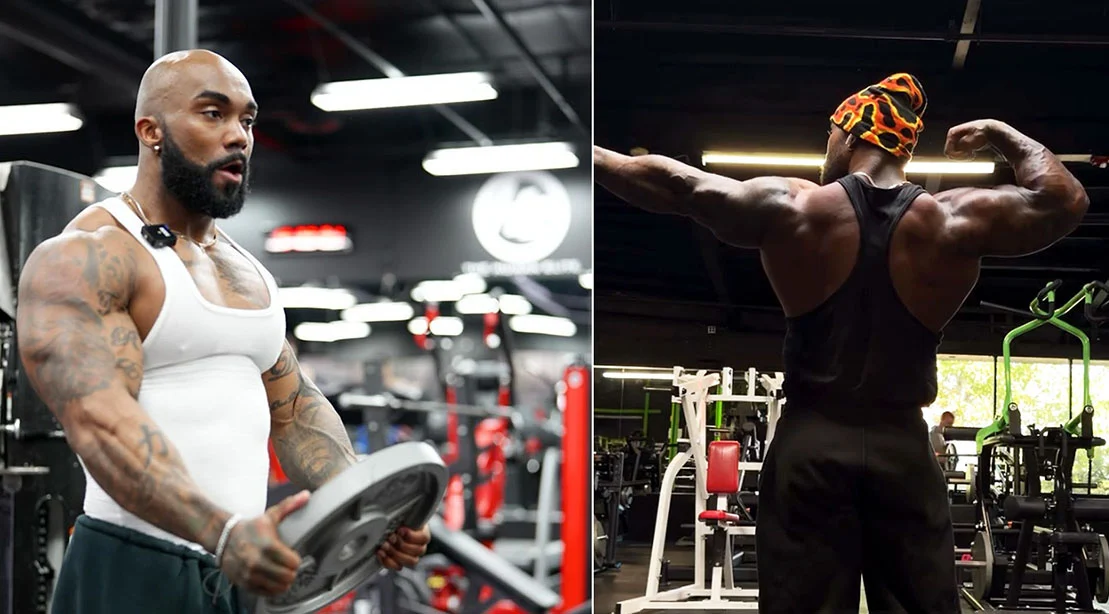
In the modern fitness landscape, where time is often the primary barrier to consistency, the pursuit of an aesthetic physique—specifically the coveted "V-taper"—can feel like a luxury reserved for professional athletes. However, IFBB Pro and United States Air Force veteran Antwan Rarcus is shattering the notion that massive, sculpted shoulders require hours in the gym. By distilling complex hypertrophy principles into a hyper-efficient, three-exercise routine, Rarcus has provided a roadmap for those looking to maximize gains in minimal time.
The Aesthetic Imperative: Why Shoulders Define the Physique
The "V-taper" is the holy grail of bodybuilding aesthetics. It is defined by broad, capped deltoids that taper down to a narrow waist, creating an athletic, powerful silhouette. While the midsection is often the focus of those seeking a leaner look, the secret to a smaller-appearing waist lies in the width of the shoulders.
"If you want to add some width to your upper body and help construct that much-hallowed triangular look, then concentrating on the shoulders is the way to go," Rarcus notes. By prioritizing the lateral and anterior deltoids, trainees can create a visual illusion of a smaller waist, enhancing the overall proportions of the physique. For the busy professional or the active-duty service member, this isn’t just about vanity; it is about efficiency and structural balance.
The Core Philosophy: "All You Need is a Bench and Dumbbells"
Rarcus’s approach to training is rooted in the "less is more" philosophy—a mindset he likely honed during his tenure in the U.S. Air Force, where adaptability and high-intensity output are essential.
In a recent viral Instagram post that reached his 262,000 followers, Rarcus stripped away the fluff of modern fitness culture. He argued that the most effective workouts are often the most fundamental. By utilizing nothing more than a standard flat bench and a pair of adjustable dumbbells, Rarcus removes the excuse of "gym accessibility" or "lack of equipment." This accessibility is a cornerstone of his coaching style, emphasizing that true hypertrophy is achieved through intensity and mind-muscle connection, not through an arsenal of expensive machinery.
A Chronology of the Workout: The 30-Minute Protocol
Rarcus’s routine is structured to hit every head of the deltoid, ensuring complete development while minimizing wasted movement. The workout is designed to be completed in approximately 30 minutes, making it ideal for a lunch-break session or a quick after-work pump.
1. Precision Front Raises
The session begins with a focus on the anterior deltoids using a weight plate or a pair of dumbbells. The front raise is a classic movement, but Rarcus emphasizes a critical technical adjustment: the descent.
"Control the descent," Rarcus advises. The negative (eccentric) portion of the lift is where a significant amount of micro-tearing occurs in the muscle fibers, leading to growth. By slowing down the lowering phase, trainees force the anterior deltoids to fight gravity, preventing momentum from taking over. This exercise not only targets the front of the shoulder but also engages the lateral delts, back, and core, providing a secondary metabolic boost.
2. The Lateral Raise: Leading with the Elbows
The lateral raise is perhaps the most critical movement for achieving width. However, it is also the most commonly performed incorrectly. Rarcus stresses the importance of "leading with the elbows" rather than the hands.
"Be sure to add a small bend in the elbows, and using them to drive the movement will keep this exercise so shoulder-dominant that the anterior, lateral, and posterior deltoids will all be taxed," he explains. By keeping the tension on the delts throughout the range of motion and avoiding the common mistake of swinging the weights, the trainee creates the "boulder shoulder" effect that defines the lateral profile of the upper body.
3. The Y-Raise: Sculpting the Posterior Chain
The final movement in the sequence involves the bench. The "Y-Raise," performed while prone (chest-down) on an incline bench, is designed to target the lower trapezius and the serratus anterior.
"Stretch and reach," is the directive from Rarcus as the dumbbells are lowered toward the ground. This movement is vital for postural health and creating a "thick" look to the back of the shoulder. The serratus anterior—often called the "boxer’s muscle"—adds to the V-taper by creating that serrated, shredded look under the armpits, bridging the gap between the lats and the rib cage.
Supporting Data: The Science of Time-Efficient Hypertrophy
The efficacy of Rarcus’s routine is supported by modern exercise science. Research suggests that for hypertrophy, the total volume and intensity (effort) are more significant factors than the number of exercises performed.
By focusing on three high-impact movements, the trainee can achieve "mechanical tension"—the primary driver of muscle growth—without the fatigue associated with "junk volume." A 30-minute session, when performed with high intensity, keeps the heart rate elevated, providing a secondary cardiovascular benefit, while the focus on eccentric control ensures that the muscle fibers are sufficiently overloaded.
Implications for the Modern Trainee
The implications of Rarcus’s approach are profound for the "time-poor" athlete. By shifting the focus from quantity to quality, Rarcus proves that a physique is not the product of living in the gym, but of the discipline applied to the sessions one does attend.
For the busy individual, this routine offers a path to:
- Enhanced Posture: The Y-raise strengthens the mid-back, counteracting the "slouch" associated with desk-bound jobs.
- Improved Proportion: By focusing on the lateral delts, the user creates the optical illusion of a tighter core.
- Sustainable Habit Building: A 30-minute workout is far easier to maintain consistently than a 90-minute session, leading to better long-term adherence.
Official Responses and Community Impact
Rarcus’s direct, no-nonsense delivery—telling his followers to "cut the bull****" and recognize that they "have time"—has resonated deeply with the fitness community. In an era where fitness influencers often promote overly complicated, supplement-heavy, or equipment-reliant regimes, Rarcus’s return to basics has been met with widespread praise.
His transition from military service to professional bodybuilding provides him with a unique level of authority. The discipline of the Air Force combined with the aesthetic precision of an IFBB Pro makes for a coaching style that is both demanding and empowering. His followers report that the simplicity of the plan is its greatest strength, removing the "paralysis by analysis" that often plagues beginners.
Conclusion: Discipline Over Excuses
Ultimately, the Antwan Rarcus shoulder protocol is a reminder that the tools for change are usually within reach. Whether one is a high-level bodybuilder or someone struggling to find 30 minutes in a hectic schedule, the principles remain the same: control the weight, lead with the intent, and commit to the movement.
As Rarcus succinctly puts it, "You have time." The question is whether you have the focus to use it effectively. By integrating this 30-minute blueprint into a weekly split, the dream of a V-taper physique becomes a tangible goal rather than a distant aspiration.
For those looking to continue their journey under Rarcus’s guidance, he remains active on social media, providing consistent, actionable advice that strips away the noise and leaves only the iron. The bench is ready, the dumbbells are waiting, and the results are entirely in your hands.