











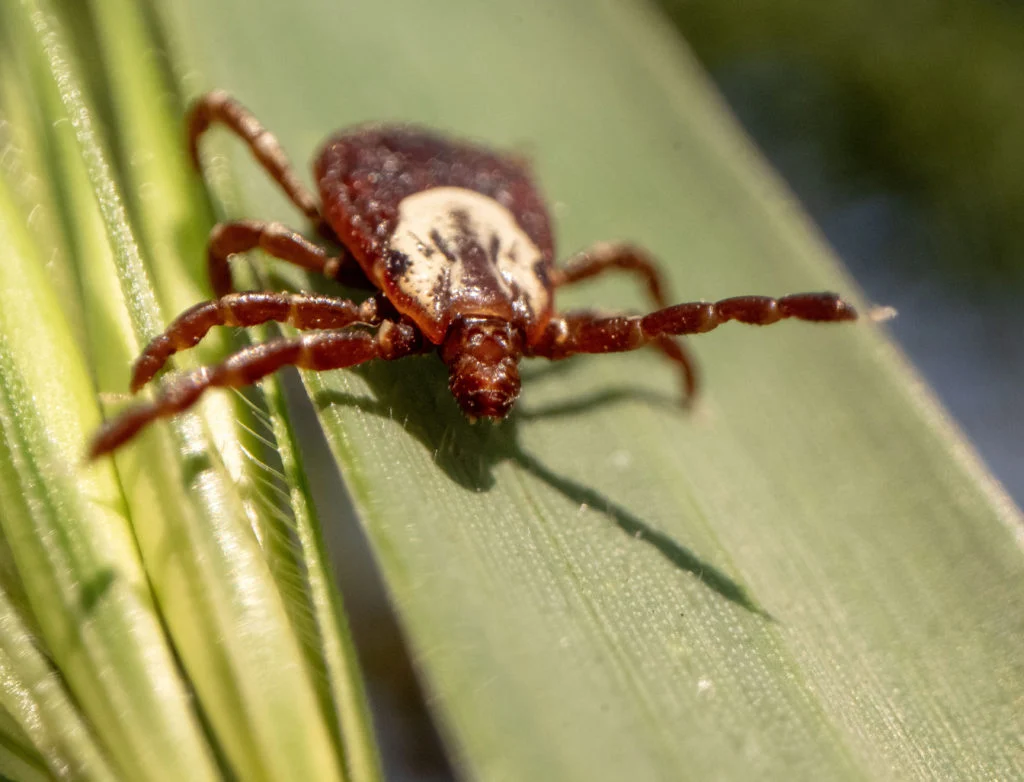
As the summer sun reaches its peak, millions of Americans head outdoors to enjoy hiking, gardening, and camping. However, this year, the lush green landscapes of the United States are harboring a growing, microscopic threat. Ticks—long the bane of outdoor enthusiasts—are currently experiencing a surge in both population density and geographic range, bringing with them not only the familiar specter of Lyme disease but a rising array of complex, lesser-known health challenges.
Recent data from the Centers for Disease Control and Prevention (CDC) indicates that emergency room visits related to tick bites have reached their highest levels in over a decade. To understand the mechanics of this surge and what it means for public health, we turn to the expertise of Dr. Holly Gaff, a mathematical ecologist at Old Dominion University who specializes in the study of tick-borne transmission dynamics.
The Perfect Storm: Why This Year Is Different
While tick populations have always fluctuated, the current explosion in activity is being driven by a complex interplay of climate, human encroachment, and wildlife migration.
The "Hangry" Tick Phenomenon
One might assume that a harsh winter would decimate tick populations, but the reality is more nuanced. Dr. Gaff explains that while freezing temperatures may impact the ticks directly, they also significantly affect the availability of the ticks’ primary food sources—small mammals and rodents. When these hosts perish during a cold snap, the surviving tick population emerges into the spring season in a state of extreme hunger.
"I jokingly call them ‘hangry’ ticks," Dr. Gaff notes. "They haven’t found food until they find us." This increased aggression and heightened search activity contribute to the dramatic rise in bite reports seen by emergency departments across the country.
The Role of Human Encroachment
The geography of the tick threat is changing rapidly. As residential development expands into "exurban" areas—regions that blend suburban convenience with the surrounding forest—humans are increasingly placing themselves directly into the heart of tick habitats. By creating neighborhoods with wooded buffers and sprawling lawns, we have inadvertently cultivated ideal environments for the white-tailed deer, which serve as the primary host for many tick species, most notably the Lone Star tick. As deer populations thrive, the ticks that hitch a ride on them flourish, creating a "buffet" for parasites right in our backyards.
Chronology of a Growing Crisis
The evolution of the tick problem in the United States has been a gradual shift that has recently accelerated into a public health crisis.
- 1970s–1990s: Lyme disease begins its climb to prominence, primarily concentrated in the Northeast and Midwest. Awareness efforts are focused almost exclusively on the black-legged (deer) tick.
- Early 2000s: Tick populations begin to expand their range, migrating into new territories due to warming climate trends and shifts in forest management that favor tick-friendly wildlife.
- 2010s: The emergence of Alpha-gal syndrome begins to reach the radar of medical researchers. This unique condition, linked to the bite of the Lone Star tick, introduces a new, non-pathogen-based threat to human health.
- 2020–2024: The "perfect storm" scenario. A convergence of increased outdoor recreation post-pandemic, warming winters, and shifting migration patterns of deer populations leads to record-breaking numbers of tick-related medical consultations.
Beyond Lyme: The Rise of Alpha-gal Syndrome
For decades, the national conversation regarding ticks has been dominated by Lyme disease, which affects approximately 500,000 Americans annually. While Lyme remains a critical health concern, the medical community is increasingly focused on the emergence of Alpha-gal syndrome.
Understanding the Allergy
Alpha-gal syndrome is a profound, often life-altering condition where a person develops a specific allergy to red meat (beef, pork, lamb, venison) and dairy products. Unlike traditional food allergies that may present immediately, Alpha-gal is triggered by the introduction of a specific carbohydrate—galactose-alpha-1,3-galactose—found in the saliva of the Lone Star tick.
When a tick bites a human, it introduces this sugar into the bloodstream. In certain individuals, the immune system reacts by creating antibodies to this sugar. Subsequent consumption of red meat or dairy—which also contains this carbohydrate—can trigger a severe, delayed allergic reaction. Because the reaction is delayed, patients often struggle to link their illness to a meal they consumed hours earlier, complicating diagnosis and management.
Supporting Data and Geographic Shifts
The geographic boundaries of tick-borne diseases are no longer static. The "traditional" hot zones are expanding, and new, atypical regions are reporting significant increases in cases.
- The Southern Migration: While Lyme disease is traditionally associated with the Northeast and Midwest, its prevalence is moving steadily southward.
- The Northern Invasion: Conversely, the Lone Star tick, historically found in the Southeastern United States, is expanding its reach into northern states, bringing the risk of Alpha-gal syndrome to populations that were previously unfamiliar with the tick’s specific bite signature.
- ER Trends: The CDC’s tracking of emergency department data serves as a barometer for this shift. With visitation rates for tick bites hitting decadal highs, the data suggests that public awareness campaigns are not yet keeping pace with the environmental shift in tick density.
Protective Measures: Staying Ahead of the Bite
Given the increased risk, Dr. Gaff emphasizes that personal vigilance is the most effective defense. Protection requires a multi-layered approach:
- Environmental Awareness: Recognize that the presence of white-tailed deer is a strong indicator of tick activity. When hiking, remain strictly on marked trails to minimize contact with tall grasses and leaf litter where ticks lie in wait.
- Strategic Apparel: Wear light-colored clothing to make ticks easier to spot. Tuck pants into socks to create a physical barrier.
- Chemical Deterrents: Utilize EPA-approved repellents like DEET for skin. For added protection, consider treating clothing and footwear with permethrin. Unlike repellents, permethrin is a contact insecticide that kills ticks upon contact.
- The "Post-Adventure" Protocol: The most critical step is the post-exposure check. Thoroughly inspect your body, your children, and your pets immediately after returning from the outdoors. Ticks often wander the body for hours before attaching, making a timely inspection the best method of prevention.
Medical Best Practices: What to Do If You Are Bitten
Misinformation regarding tick removal is rampant. Despite old wives’ tales suggesting the use of petroleum jelly, nail polish, or heat to "suffocate" the tick, these methods are not only ineffective but potentially dangerous.
"The best recommendation is to get a pair of fine-tipped tweezers," Dr. Gaff advises. "Place the tweezers as close to the skin as possible and pull straight up. Do not twist, and do not crush the body of the tick."
The goal is to remove the tick cleanly and quickly. The longer a tick remains attached, the higher the likelihood of pathogen or allergen transmission. Once the tick is removed, the area should be cleaned thoroughly with soap and water or an antiseptic. If a rash develops or if symptoms such as fever or joint pain occur, medical consultation is essential.
Implications for the Future
The rise of the "hangry" tick is more than just a summer inconvenience; it is a signal of a broader ecological shift. As our climate warms and our interactions with wild spaces increase, the burden of tick-borne illness is likely to grow.
Public health experts suggest that the future will require a more integrated approach to land management, including the monitoring of deer populations and the implementation of aggressive tick-control strategies in suburban areas. However, until such systemic changes are realized, the responsibility remains with the individual.
In an era where the landscape is changing, knowledge is the ultimate survival tool. By understanding the behaviors of these tiny terrors and adopting rigorous protective habits, the public can continue to enjoy the beauty of the outdoors without becoming part of the growing statistic of those affected by the hidden, blood-sucking reality of the American summer.