








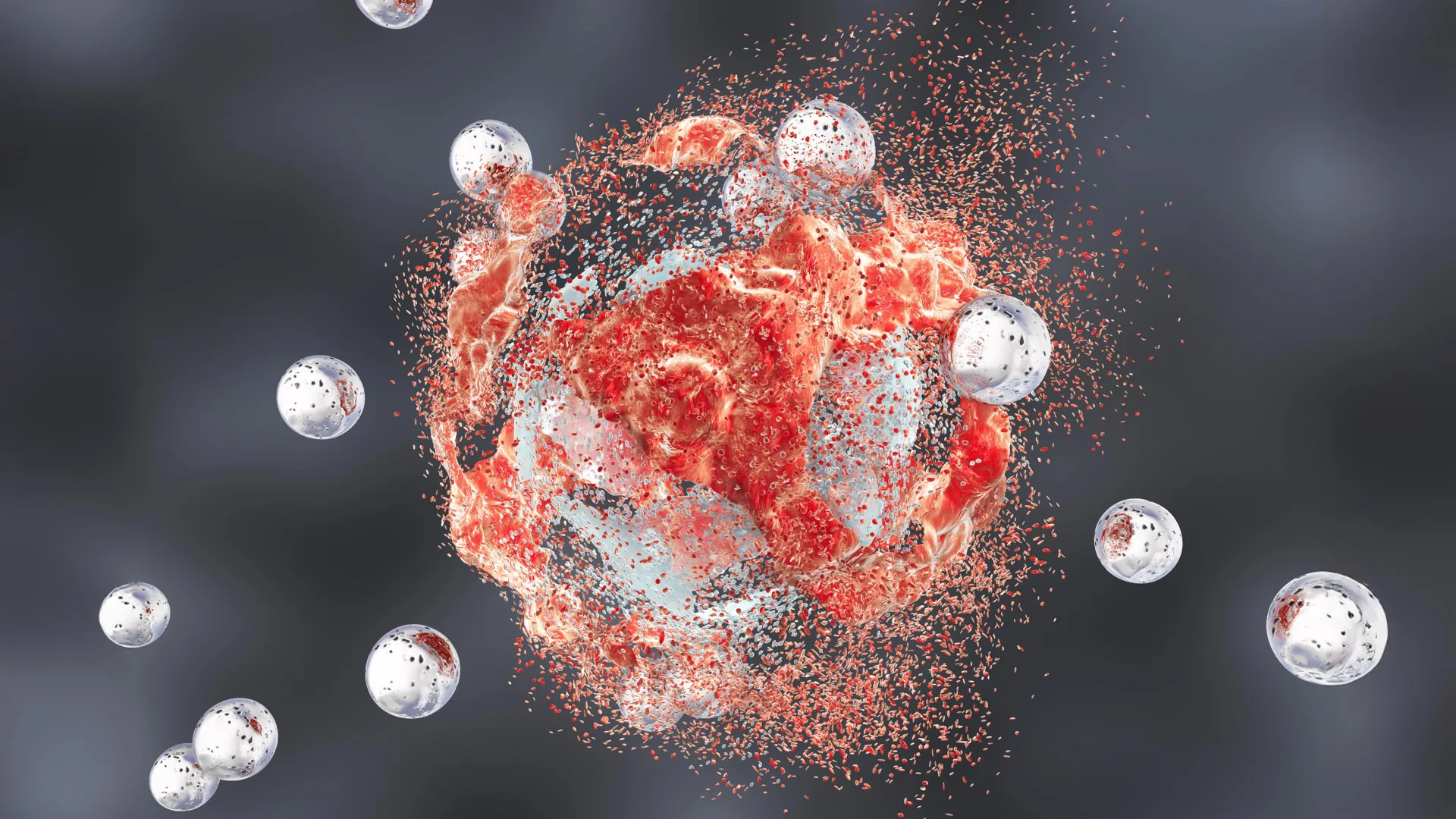
In a groundbreaking development that could fundamentally alter the landscape of oncology, researchers at Weill Cornell Medicine and the Cornell Duffield College of Engineering have unveiled a novel therapeutic approach using ultrasmall silica nanoparticles. These engineered particles, originally designed for medical imaging, have demonstrated a remarkable ability to act as a "dual-threat" agent: they directly dismantle aggressive prostate tumors while simultaneously priming the body’s immune system to mount a sustained defense against malignancy.
The preclinical study, published on June 15 in the journal Cancer Research, details how these particles—known as "C’ dots"—achieved complete tumor remissions in mouse models of aggressive prostate cancer. By combining these nanoparticles with existing immunotherapy, researchers saw survival rates and remission outcomes that significantly outperformed current standard-of-care treatments, providing a hopeful roadmap for future human clinical trials.
The Core Innovation: What Are C’ Dots?
At the heart of this research is a material that sounds deceptively simple: amorphous silica. A naturally occurring form of silicon dioxide, silica is found in common food sources and the fossilized remains of microscopic organisms. However, when engineered into "ultrasmall fluorescent core-shell silica nanoparticles," these materials take on transformative properties.
Developed through a long-standing collaboration between the laboratories of Dr. Michelle Bradbury, a renowned neuroradiologist and director of the Molecular Imaging Innovations Institute at Weill Cornell Medicine, and Dr. Ulrich Wiesner, a professor of Materials Science and Engineering at Cornell, C’ dots were initially intended to enhance precision in image-guided surgery. Their transition from diagnostic tools to therapeutic agents marks a significant leap in nanomedicine.
These particles are highly selective. By attaching a targeting molecule that recognizes PSMA—a protein overexpressed on the surface of prostate tumor cells—the researchers ensured that the nanoparticles "seek and destroy" cancer cells while sparing healthy tissue.
A Chronology of Discovery: From Imaging to Immunotherapy
The journey of the C’ dot began years ago, aimed at improving the clarity and precision of cancer imaging. As these particles advanced into late-stage clinical trials for surgical guidance, the research team began to observe peculiar, unintended biological effects.
- The Observational Phase: Scientists noted that the particles were not merely "tagging" cancer cells for visibility; they were actively interacting with the tumor microenvironment.
- The Mechanism Discovery: Upon closer inspection, the team realized the particles were triggering a biological process known as ferroptosis. Unlike traditional apoptosis (programmed cell death), ferroptosis is a specialized, iron-dependent form of cell death driven by extreme oxidation.
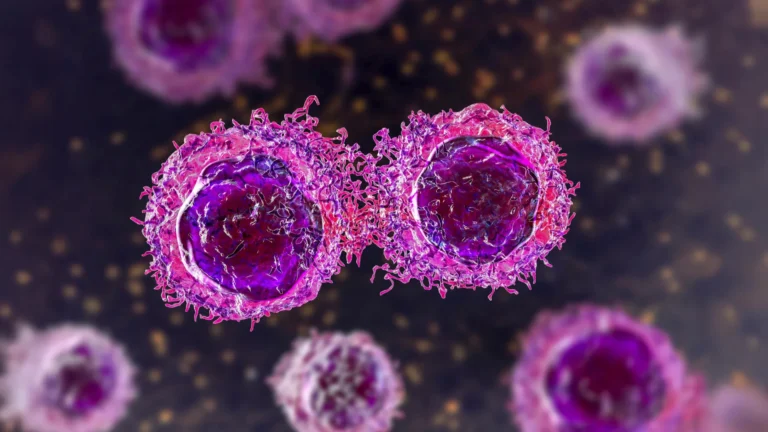
- The Immunological Shift: Researchers discovered that the presence of these particles fundamentally changed the "flavor" of the tumor. Tumors are often "cold," meaning they effectively hide from the immune system. The C’ dots were observed turning these cold tumors "hot," making them visible and vulnerable to T cells and macrophages.
- The Synergy Study: The final phase of the current study involved testing the combination of C’ dots with immune checkpoint blockade therapy. This combination proved to be the most potent, leading to the dramatic remissions reported in the latest findings.
Supporting Data: Mechanisms of Action and Efficacy
The efficacy of the C’ dots relies on a multi-pronged assault on the cancer cell. The most striking discovery is the induction of ferroptosis.
The Ferroptosis Pathway
During ferroptosis, the internal environment of a cancer cell is flooded with iron ions. Evidence suggests that the nanoparticles act as a transport mechanism, scavenging positively charged iron ions from the bloodstream and depositing them inside the tumor cells. This influx of iron fuels a cascade of oxidative damage, specifically targeting the fatty molecules (lipids) that constitute the cell membrane. Once the membrane integrity is compromised, the cell undergoes a catastrophic breakdown.
Immune Remodeling
Beyond direct cell killing, the nanoparticles act as an immunomodulator. In an aggressive tumor, the surrounding environment is typically hostile to the immune system, suppressing the activity of T cells and macrophages. The C’ dots reverse this suppression, effectively "waking up" these immune cells.
Combination Therapy Results
The data from the mouse survival studies are compelling:
- Nanoparticles alone: Produced a modest improvement in survival.
- Immunotherapy alone: Produced a modest improvement in survival.
- Combination (C’ dots + Immunotherapy): Resulted in complete or near-complete remissions and indefinite survival in 40% of the test subjects.
- Triple Therapy (C’ dots + Immunotherapy + CSF-1R blockade): By adding a drug to target tumor-associated macrophages, the remission rate climbed to 50%.
These findings suggest that the silica nanoparticles do not just function as a standalone drug, but as a "force multiplier" that makes existing, less effective immunotherapies work significantly better.
Official Responses: Insights from the Research Team
The lead investigators emphasize that this is a departure from traditional oncology paradigms, which usually focus on a single pathway to treat cancer.
"We’re very encouraged by these results; a treatment that directly induces tumor-cell death while transforming the immune microenvironment, as this does, would represent a new clinical paradigm," said Dr. Michelle Bradbury. She highlighted the unique nature of the work, noting that the collaborative effort required bridging the gap between materials science, radiology, and clinical oncology.
Dr. Ulrich Wiesner, who co-led the study, expressed astonishment at the breadth of the particles’ impact. "It seems unreal—how is it possible that rather than a single pathway we see all these effects happening simultaneously and only in tumors and not in healthy tissues?" he asked. He speculates that because silica is ubiquitous in the natural environment—found in items as common as cereal grains and leafy greens—it may possess an inherent biological compatibility that scientists are only now beginning to exploit.
Dr. Jedd Wolchok, director of the Parker Institute for Cancer Immunotherapy at Weill Cornell, underscored the clinical importance of these findings for prostate cancer, a disease where durable immune responses have historically been elusive. "By creating conditions that support a more effective antitumor immune response, these particles may help unlock the full potential of immunotherapy," he noted.
Implications: The Road to Human Clinical Trials
The implications of this research are vast. If successfully translated to human trials, this "dual-strategy" could offer a non-toxic, highly precise alternative to systemic chemotherapy, which often carries debilitating side effects.
Safety and Toxicity
A primary concern in nanomedicine is systemic toxicity—the risk that nanoparticles might accumulate in the liver, spleen, or kidneys and cause organ failure. In this study, while some particles were detected in the spleen, researchers found no signs of toxicity in healthy tissues. This suggests that the particles are inherently safe at the doses required for therapeutic effect, a crucial hurdle that many other nanotherapies fail to clear.
Future Perspectives
The research team is now focused on the rigorous safety evaluations required to move these particles toward human clinical trials. This involves investigating how the particles interact with metabolic pathways and inflammatory signals over longer periods.
Furthermore, the team is exploring whether this platform can be adapted for other types of solid tumors beyond prostate cancer. Given the adaptability of the targeting molecules (the "PSMA-seeking" component), the core silica particle could potentially be "programmed" to hunt down breast, lung, or pancreatic cancers simply by swapping the targeting ligand.
Conclusion
As the team looks toward the future, the sentiment remains one of cautious but profound optimism. The integration of materials science with immunology has yielded a platform that is elegant in its simplicity and powerful in its execution. For patients with aggressive prostate cancer, this research offers a glimpse of a future where tumors are not just managed, but systematically dismantled and suppressed by the body’s own awakened immune system.
The study, supported by grants from the National Cancer Institute and the Department of Defense, stands as a testament to the power of interdisciplinary research. With patents already in place and a clear mechanistic understanding of how these nanoparticles operate, the C’ dot platform represents one of the most promising new frontiers in the battle against cancer.
Disclaimer: Drs. Michelle Bradbury and Ulrich Wiesner are inventors on patents related to the technology described in this study. The research was funded by the Department of Defense (PC220534), the National Cancer Institute, and the Parker Institute for Cancer Immunotherapy.