







By Keith Appleton, LMSW, Combat Veteran
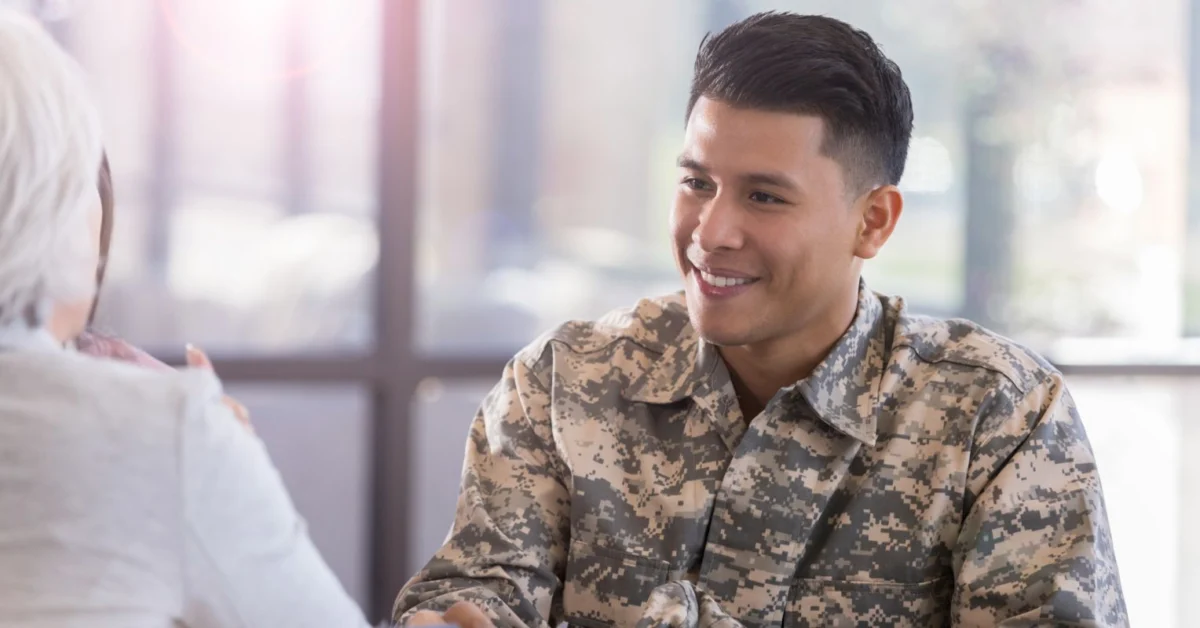
In the stark, sterile environment of a detox ward, a veteran—battling the compounding shadows of Post-Traumatic Stress Disorder (PTSD) and chemical dependency—prepared to walk out. He was convinced, as many in his position are, that no civilian could possibly fathom the terrain of his psyche or the weight of his experiences. As a fellow veteran, I didn’t see a "patient" in need of fixing; I saw a soldier in the midst of a tactical retreat. By shifting our dialogue from clinical jargon to the shared language of the military, we reframed his treatment as a mission-critical operation. He stayed.
That moment was not an anomaly; it was a testament to a fundamental truth in modern psychology: culturally competent care, particularly when informed by the nuances of military service, is not just a preference—it is a life-saving necessity.
Main Facts: The Invisible Scars of Service
The statistical landscape of veteran mental health is sobering. According to the National Center for PTSD (2023), roughly 7% of U.S. veterans live with PTSD, while over 20% grapple with substance-use disorders. These figures, however, only capture those who have sought help. The U.S. Department of Veterans Affairs (2022) reports that more than half of those in need never engage with mental health services.
The primary barrier is rarely a lack of resources, but a profound sense of alienation. Veterans often perceive a "civilian-military divide," believing that those who have not worn the uniform simply "don’t get it." This belief is rooted in the reality that military service is not merely an occupation; it is a totalizing identity. It is a life structured by hierarchy, symbols, shared hardship, and a level of collective sacrifice that is difficult to replicate in the civilian sector.
Chronology: From Deployment to Disorientation
The trajectory of a veteran’s mental health often follows a distinct timeline, moving from the intense structure of service to the relative vacuum of the civilian world.
Phase 1: The Forged Identity
During service, the uniform acts as a tether. Badges, combat patches, service ribbons, and specialty schools are not mere ornaments; they are the shorthand of a veteran’s journey. During my time in the 101st Airborne, I wore my Combat Action Badge above my Air Assault Wings with a deep sense of pride. These symbols were catalysts for connection, allowing soldiers to instantly recognize shared history and unspoken competence.
Phase 2: The Attachment Rupture
Upon transitioning to civilian life, this "secure base" is abruptly withdrawn. Drawing on the work of John Bowlby (1980), we recognize this as an attachment rupture. The veteran is suddenly stripped of their tribe, their daily mission, and the external markers that validated their existence. Without a new community, this transition frequently manifests as disorientation, grief, and profound isolation.
Phase 3: The Search for Meaning
As Sebastian Junger argued in his seminal work Tribe (2016), humans have a primal need to belong to purpose-driven groups. In therapy, the mission is to help the veteran bridge the gap between their past identity as a "soldier" and a future identity as a "leader, mentor, and protector" in the civilian sphere.
Supporting Data: The Case for Cultural Competence
The efficacy of therapy for veterans is directly linked to the therapeutic alliance. Research consistently demonstrates that when clinicians utilize evidence-based practices—such as Cognitive Behavioral Therapy (CBT) or Eye Movement Desensitization and Reprocessing (EMDR)—within a framework that respects military values, engagement rates climb significantly.
- Moral Injury: Many veterans carry the burden of "moral injury," defined by Davis (2023) as the distress caused by actions—or failures to act—that transgress deeply held moral beliefs.
- The Power of Narrative: A 2022 study by Dell’Osso et al. suggests that narrating positive deployment experiences—the camaraderie, the beauty of a desert sunset, the pride of a mission completed—is just as vital as processing traumatic memories. This fosters "post-traumatic growth," allowing the veteran to integrate their trauma into a broader, more resilient life story.
Official Responses and Clinical Implications
The Department of Veterans Affairs and private behavioral health institutions have increasingly recognized that a one-size-fits-all approach to mental health is failing our service members. The emerging consensus is that "trauma-informed" care must be synonymous with "culturally informed" care.
The Role of the Family
One of the most significant shifts in clinical practice is the inclusion of the family unit. Often, the spouse or children are the first to witness the symptoms of PTSD, yet they are frequently excluded from the therapeutic process. Applying the systems theory of Murray Bowen (1978), we see that the veteran does not heal in a vacuum. By inviting the family into the room, we can reframe the veteran’s service—affirming their role as a provider and a patriot—which effectively breaks the cycle of isolation.
The "Mission-First" Clinical Model
How do we translate this into actionable practice? The clinical environment must mirror the values that veterans respect: empathy, mentorship, and mission-focused guidance.
- Language and Inquiry: Clinicians should begin by asking about a veteran’s Military Occupational Specialty (MOS) and the meaning behind their insignia. This signals that the therapist values the veteran’s history.
- Structured Guidance: Veterans thrive on clear, measurable goals. Aligning therapy with a structured plan provides a sense of agency that mimics the discipline of military life.
- Positive Integration: Clinicians must not allow the "trauma-only" narrative to dominate. By honoring the whole deployment—including the moments of joy and pride—we help the veteran reclaim their dignity.
Implications for the Future
The implications of this approach are profound. If we continue to treat veterans as mere victims of their trauma, we deny them the agency that defined their service. Instead, we must treat them as individuals whose mission has evolved.
When delivered with cultural competence, therapy becomes a new mission. It calls on the veteran’s inherent courage to face their past, but it also challenges them to write the next chapter of their story. We owe it to those who served to provide care that is as precise, disciplined, and courageous as the service they provided to our nation.
References
- Bowen, M. (1978). Family Therapy in Clinical Practice. Jason Aronson.
- Bowlby, J. (1980). Attachment and Loss: Vol. 3. Loss, Sadness and Depression. Basic Books.
- Davis, L. Y. (2023). Moral Injury: The Hidden Adversary of War.
- Dell’Osso L, et al. (2022). Post Traumatic Growth (PTG) in the Frame of Traumatic Experiences. Clinical Neuropsychiatry.
- Hurley, E. C. (2021). A Clinician’s Guide for Treating Active Military and Veteran Populations with EMDR Therapy. Springer Publishing.
- Junger, S. (2016). Tribe: On Homecoming and Belonging. Twelve.
- National Center for PTSD. (2023). PTSD in Veterans: Facts and Figures. U.S. Department of Veterans Affairs.
- Shapiro, F. (2018). Eye Movement Desensitization and Reprocessing (EMDR) Therapy. Guilford Press.
- U.S. Department of Veterans Affairs. (2022). National Veteran Suicide Prevention Annual Report.
Keith Appleton, LMSW, is a licensed social worker, trauma-informed clinician, and combat veteran of the 101st Airborne Division. He specializes in culturally competent mental health care for service members and their families, practicing at Mountainside Treatment Center in Canaan, CT.