







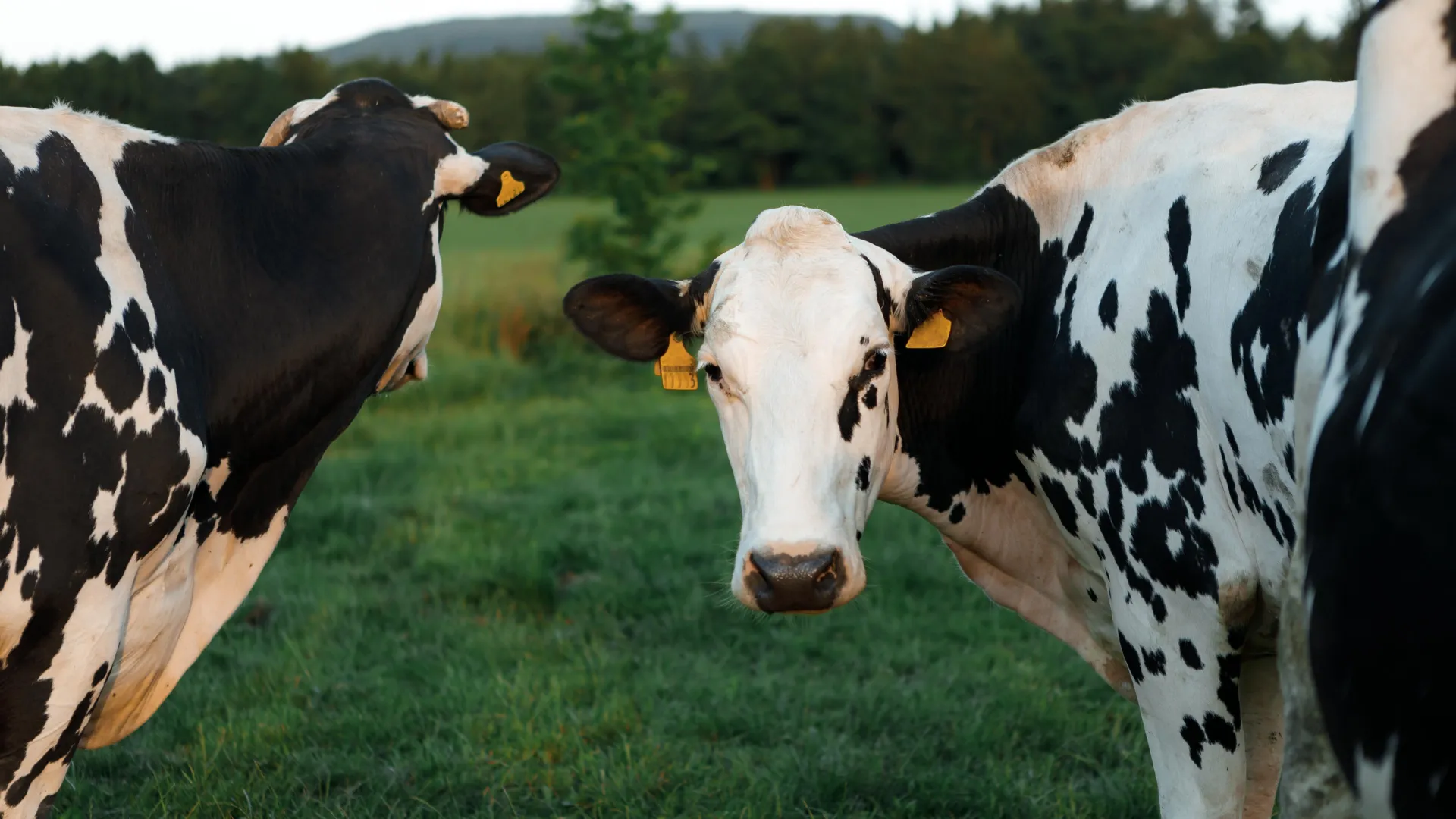
When the first reports of a mysterious illness began trickling out of the Texas Panhandle in early 2024, the veterinary community braced for the usual suspects. Dairy cows, known for their robust milk production, were suddenly suffering from severe, necrotizing mastitis—a painful inflammatory condition that wreaked havoc on mammary glands and plummeted milk yields. For weeks, the industry searched for bacterial pathogens, the standard culprits in bovine health crises.
The reality, however, was far more startling. The pathogen behind the outbreak was H5N1, the highly pathogenic avian influenza (HPAI) virus. This discovery sent shockwaves through the scientific community, as the virus was behaving in a way that defied decades of influenza research. Instead of attacking the respiratory tract—the hallmark of avian flu in nearly every other mammal—the virus had localized its destruction in the udders of cattle.
A breakthrough study recently published in Science Advances by researchers at the University of Pittsburgh School of Public Health has finally solved this biological riddle. By mapping the intricate "lock-and-key" mechanism of viral infection, scientists have uncovered why H5N1 made such an unexpected pivot, providing a vital roadmap for predicting the future evolution of this zoonotic threat.
The Chronology of an Unexpected Outbreak
The story of the H5N1 dairy outbreak is one of initial confusion followed by rapid, high-stakes investigation.
Early 2024: The "Mystery" Phase
The outbreak did not begin with a bang, but with a decline in production. Dairy farmers noticed cows becoming lethargic, eating less, and producing significantly less milk. The milk itself appeared abnormal—thick, yellow, and discolored. Initially, local veterinarians and diagnostic labs performed standard testing for mastitis-causing bacteria. When those tests came back inconclusive, alarm bells began to ring.
March 2024: The Pivot to Virology
As the illness spread from herd to herd, moving across state lines through the movement of livestock and shared equipment, researchers began to suspect a viral component. The confirmation that H5N1 was the cause prompted immediate concern from the U.S. Department of Agriculture (USDA) and the Centers for Disease Control and Prevention (CDC). The virus’s ability to move between cows and contaminate the farm environment—particularly through milk—posed an immediate risk to farm workers and potentially domestic animals.
Spring to Summer 2024: Investigating the Tissue Tropism
Once the virus was identified, the question remained: Why the udder? While the virus was shedding at high titers in raw milk, the cows showed little to no respiratory distress. This was fundamentally at odds with how influenza is "supposed" to behave. This period marked the beginning of intensive laboratory analysis, as experts like Dr. Suresh Kuchipudi and his team sought to understand the microscopic interactions between the virus and bovine biology.
Supporting Data: The Glycan Architecture
To solve the mystery, researchers had to look at the very foundation of how viruses enter cells. Influenza viruses do not simply drift into a host cell; they must bind to specific surface molecules known as glycans—sugar-based structures that act as a gatekeeper.
The Receptor Misconception
Earlier studies had suggested that flu-related glycan receptors were present in the respiratory tracts of cattle, leading many to assume that the virus would naturally gravitate toward the nose and lungs. However, the lack of respiratory symptoms in infected herds proved that the virus was ignoring these airway receptors entirely.
Mapping the Fine-Detailed Architecture
Dr. Suresh Kuchipudi, chair of Infectious Diseases and Microbiology at Pitt Public Health, teamed up with Harvard Medical School’s Dr. Lauren E. Pepi to utilize advanced glycomics. By employing ultra-high-resolution imaging and binding experiments, the team discovered that the "lock" the virus was looking for was not present in the airways. Instead, the virus was specifically targeting a subtype known as N-linked sialic acid receptors.
These specific receptors are abundant in bovine mammary tissue but are virtually absent in the respiratory tissues of cattle. This finding turned the previous scientific assumptions on their head. The mammary gland, essentially, provided the "perfect breeding ground" for the virus, allowing it to flourish in the udder while bypassing the respiratory system entirely.
Official Responses and Public Health Implications
The discovery has prompted a reevaluation of how authorities manage H5N1, particularly regarding food safety and occupational health.
The Safety of the Milk Supply
A critical point emphasized by Dr. Kuchipudi is the efficacy of pasteurization. While the virus reaches high concentrations in raw milk, standard pasteurization processes are highly effective at destroying the H5N1 virus. Public health officials have been adamant: the commercial milk supply remains safe. However, the outbreak has underscored the dangers of consuming raw milk, a practice that has been linked to the infection and subsequent death of domestic cats on affected farms.
Occupational Risks
The discovery of the virus in udders explains why farm workers—who come into close, consistent contact with milk during the milking process—are at the highest risk for infection. The virus’s preference for the udder means that the primary vector for human exposure is not aerosolized droplets from a cow’s sneeze, but rather direct contact with contaminated milk or high-viral-load surfaces within the milking parlor.
Predicting the Next Move: Implications for Future Outbreaks
The significance of the Pitt Public Health study extends far beyond the current dairy outbreak. By defining the precise glycan receptors required for H5N1 to infect specific tissues, researchers have created a template for "preemptive surveillance."
A New Surveillance Paradigm
"We can now screen different species and different tissues for susceptibility," says Dr. Kuchipudi. This methodology allows scientists to predict the clinical presentation of an outbreak before it happens. For example, if the virus were to jump to a new species, researchers could determine if that animal would likely develop respiratory symptoms, mastitis, or even neurological complications—similar to the neurological symptoms observed in cats during earlier stages of the H5N1 crisis.
Strengthening Biosecurity
This research serves as a vital tool for the agricultural sector. Understanding the tissue tropism of the virus allows for more targeted biosecurity measures. If we know that the virus is "looking" for specific receptors in the udder, farmers can focus on specific cleaning protocols for milking equipment and monitoring milk quality as an early warning system for the arrival of the virus.
A Multidisciplinary Triumph
The study’s success was contingent upon a broad collaboration of experts, including researchers from Pennsylvania State University, Harvard University, and North Dakota State University. Supported by the USDA’s National Institute of Food and Agriculture and Pitt Public Health, the project highlights the necessity of "One Health"—the collaborative effort of multiple disciplines to attain optimal health for people, animals, and the environment.
Conclusion: Lessons Learned
The 2024 H5N1 dairy outbreak serves as a stark reminder of the unpredictable nature of zoonotic diseases. The virus’s ability to bypass the respiratory system and exploit the bovine udder was a "surprise" that caught the industry off-guard, but it was not an impossible puzzle.
Through the diligent application of glycomics and advanced imaging, the team at the University of Pittsburgh has transformed a baffling mystery into a teachable moment. By identifying the N-linked sialic acid receptors as the catalyst for this unique form of infection, science has gained a new, powerful lens through which to view viral threats.
As the world continues to navigate the complexities of H5N1, this study provides more than just an explanation for the past; it provides a framework for the future. By knowing where the virus wants to go and what it needs to get there, the scientific community is now better positioned to anticipate, prepare for, and ultimately prevent the next unexpected chapter in the story of avian influenza. The era of being "caught completely by surprise" may be coming to an end, replaced by a more proactive, evidence-based approach to global health security.