






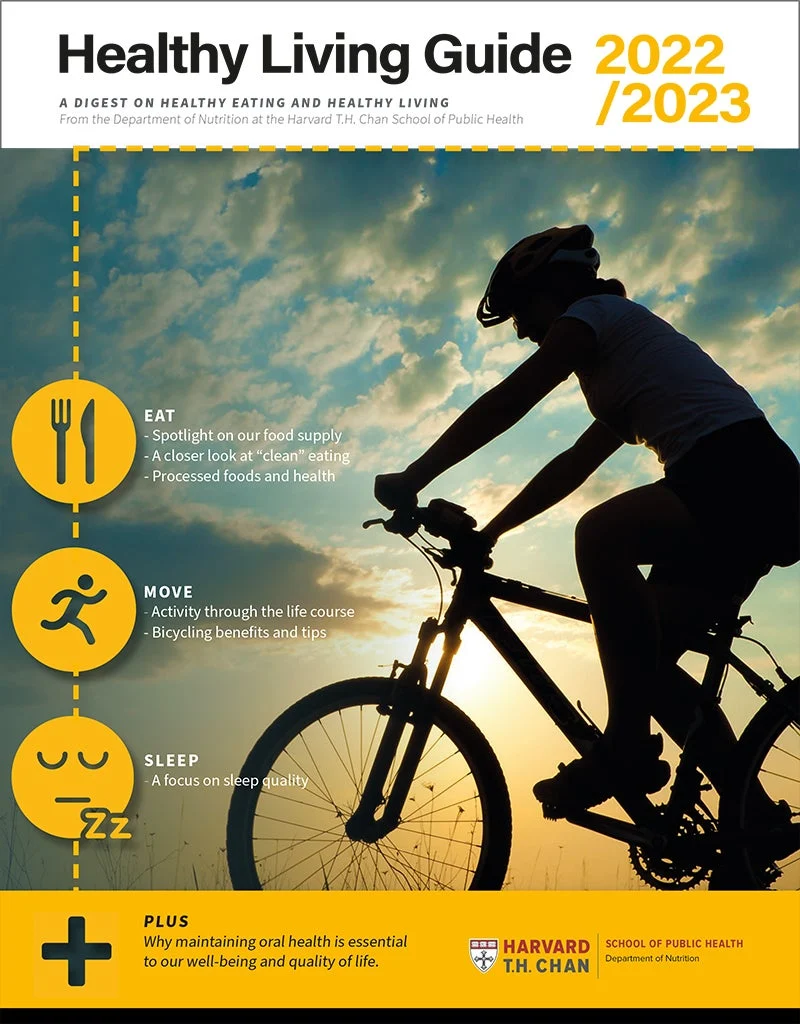
As we move further into the decade, the global conversation surrounding food, nutrition, and public health has reached a critical inflection point. Following a landmark year in 2022—highlighted by the historic White House Conference on Hunger, Nutrition, and Health—the focus has shifted from mere awareness to the implementation of systemic change. To aid in this transition, experts from the Harvard T.H. Chan School of Public Health have released their latest Healthy Living Guide, a resource designed to bridge the gap between complex policy goals and individual daily habits.
Main Facts: The New National Strategy
The defining moment of the past year was the Biden-Harris Administration’s National Strategy on Hunger, Nutrition, and Health. This event served as the first formal gathering of its kind since 1969, signaling a long-overdue acknowledgement that the American food system is in dire need of reform.
The strategy is ambitious, aiming to achieve the goal of ending hunger and drastically reducing diet-related diseases—such as type 2 diabetes, obesity, and hypertension—by 2030. Key pillars of this initiative include:
- Expansion of Nutrition Assistance: Enhancing access to programs like SNAP (Supplemental Nutrition Assistance Program) to ensure food security for low-income families.
- Medically Tailored Meals: Integrating nutrition as a core component of healthcare by covering medically tailored meals under Medicare, acknowledging that food is, in many ways, medicine.
- Infrastructure for Physical Activity: Promoting environments that encourage movement and exercise as foundational pillars of metabolic health.
However, as the Harvard Department of Nutrition experts Drs. Frank Hu, Walter Willett, and Lilian Cheung have pointed out, the strategy is a starting point, not a panacea. The success of these initiatives depends heavily on the integration of public and private sector collaboration, alongside rigorous academic oversight.
Chronology: A Year of Nutrition Advocacy
The road to the 2022 Conference was paved with decades of data showing that the status quo was unsustainable. Below is a timeline of the shifting landscape:
- 1969: The original White House Conference on Food, Nutrition, and Health. This event led to the creation of landmark programs like the Special Supplemental Nutrition Program for Women, Infants, and Children (WIC).
- 2020–2021: The COVID-19 pandemic exposed the fragility of the global food supply chain and highlighted the disproportionate impact of nutrition-related chronic diseases on marginalized populations.
- September 2022: The White House hosts the historic Conference on Hunger, Nutrition, and Health, unveiling the new National Strategy.
- January 2023: The release of the Healthy Living Guide (2022-2023), providing a roadmap for citizens to align their personal habits with the broader goal of a healthier, more sustainable nation.
Supporting Data: The Case for Reform
The urgency behind these policy shifts is backed by stark statistical realities. According to current public health data, nearly half of all American adults suffer from at least one diet-related chronic disease. Furthermore, food insecurity remains a persistent barrier to public health, with millions of households struggling to access fresh, nutrient-dense foods consistently.
Experts note that "food deserts"—areas where access to affordable, healthy food options is restricted or non-existent—continue to drive health inequities. The economic burden of these diseases is estimated in the hundreds of billions of dollars annually, affecting not just individual quality of life but the viability of the national healthcare system itself.
The Healthy Living Guide leverages this data to suggest that individual behavior, while vital, must be supported by "choice architecture"—the idea that healthy environments make healthy decisions easier for the average person.
Official Responses and Expert Critiques
While the administration’s strategy has been met with general optimism, it has not been without its detractors and critical observers. Leading nutritionists at Harvard have been vocal about the "major omissions" present in the current plan.
Addressing the Omissions
Drs. Frank Hu, Walter Willett, and Lilian Cheung, in their collective reflection on the conference, identified two primary areas where the strategy falls short:
- Childhood Protection: The current strategy lacks robust policies to protect children from the aggressive marketing of ultra-processed, unhealthy foods. Research shows that marketing exposure is a primary driver of childhood obesity, yet policy has struggled to keep pace with digital advertising trends.
- Climate-Food Synergy: The strategy focuses heavily on human health but arguably under-emphasizes the role of the food system in climate change. Experts argue that the health of the planet and the health of the individual are inextricably linked. A truly sustainable food system must prioritize regenerative agriculture and lower-carbon food production.
"To have a significant impact," the experts wrote, "the administration must bring together the public and private sectors, along with philanthropists, academia, and individuals to develop truly sustainable food systems that support both public and planetary health."
Implications: The Path Toward 2030
The implications of these policy discussions extend far beyond the Beltway. For the individual, the path toward 2030 involves a dual-track approach: advocacy and personal implementation.
Systemic Implications
Policymakers are under increased pressure to move beyond simple food distribution and toward systemic reform. This means incentivizing the production of fruits and vegetables, reforming agricultural subsidies that currently favor commodity crops (like corn and soy for processed foods), and investing in community-led nutritional education programs.
Personal Implications: The "Small Change" Philosophy
The Healthy Living Guide underscores that while policy sets the stage, individual health is built on daily, incremental choices. The guide advocates for:
- Mindful Eating: Understanding the source and quality of ingredients.
- Physical Integration: Finding sustainable ways to weave physical activity into the workday rather than viewing exercise as an isolated, burdensome task.
- Resource Utilization: Utilizing tools like the printable tip sheets provided in the guide to maintain consistency throughout the year.
Conclusion: A Call to Action
The journey toward a healthier nation is a collective endeavor. As the Healthy Living Guide suggests, "no change is too small." Whether it is a family switching to whole-grain alternatives, a community advocating for a local farmers’ market, or a legislator drafting policies that protect children from predatory marketing, every action contributes to the 2030 goal.
We are currently in a period of transition where the relationship between the government and the dinner table is being re-evaluated. By combining the rigor of scientific research with the accessibility of practical lifestyle guides, we can begin to shift the trajectory of public health.
As we look toward the remainder of the decade, the focus remains clear: we must ensure that there is not only enough food to sustain current and future generations, but that the optimal choice—the healthy, sustainable choice—is the accessible and affordable choice for every citizen.
Resources for Further Learning
- Download the Printable Healthy Living Guide (PDF): Click here to access the full 2022-2023 edition.
- Test Your Knowledge: The Healthy Living Guide features a self-assessment module. If you are looking to test your nutrition literacy, we encourage you to review the archived 2021-2022 edition for comprehensive answers to common health misconceptions.
- Stay Informed: For ongoing updates regarding the National Strategy on Hunger, Nutrition, and Health, monitor the official White House briefing room and the Harvard T.H. Chan School of Public Health’s Nutrition Source portal.
Note: This article is intended for educational purposes and serves as a synthesis of recent developments in public health policy and nutrition guidance. It should not replace professional medical advice.