



For the estimated 80% of individuals with hypermobile Ehlers-Danlos syndrome (hEDS) who also live with dysautonomia, the arrival of summer often brings a profound sense of dread. While the season is traditionally associated with outdoor recreation and increased social activity, for those with autonomic nervous system dysfunction, it represents a period of physiological high-stakes survival.
As temperatures climb, the body’s ability to maintain homeostasis is severely tested. For the dysautonomic patient, heat is not merely a discomfort—it is a trigger that can precipitate debilitating symptoms, including orthostatic tachycardia, lightheadedness, severe fatigue, "brain fog," and syncope. As we navigate the warmer months of 2026, it is time to re-evaluate the tools at our disposal. Among the most effective, yet underutilized, interventions is the dedicated UV-blocking sun umbrella.
The Physiological Impact of Heat on Dysautonomia
To understand why a simple accessory like a sun umbrella can be transformative, one must first understand the underlying mechanics of dysautonomia. The autonomic nervous system is responsible for regulating involuntary bodily functions, including heart rate, blood pressure, and body temperature. When this system malfunctions, the body’s response to environmental stressors is often maladaptive.
In healthy individuals, exposure to heat triggers vasodilation—the widening of blood vessels—which allows more blood to flow to the skin’s surface, where it can be cooled by sweat and air. In patients with dysautonomia, however, this mechanism is often faulty. When the body tries to cool down, blood pools in the lower extremities, making it increasingly difficult for the heart to pump oxygenated blood to the brain. This lack of cerebral perfusion is the primary driver of the dizziness and fainting episodes common in conditions like Postural Orthostatic Tachycardia Syndrome (POTS).
When ambient temperatures rise, the body is forced to work overtime. By introducing a barrier between the sun’s direct radiation and the skin, we can significantly reduce the thermal load on the body, thereby preventing the rapid onset of these secondary symptoms.
A Personal Chronology: From Japan to the World Stage
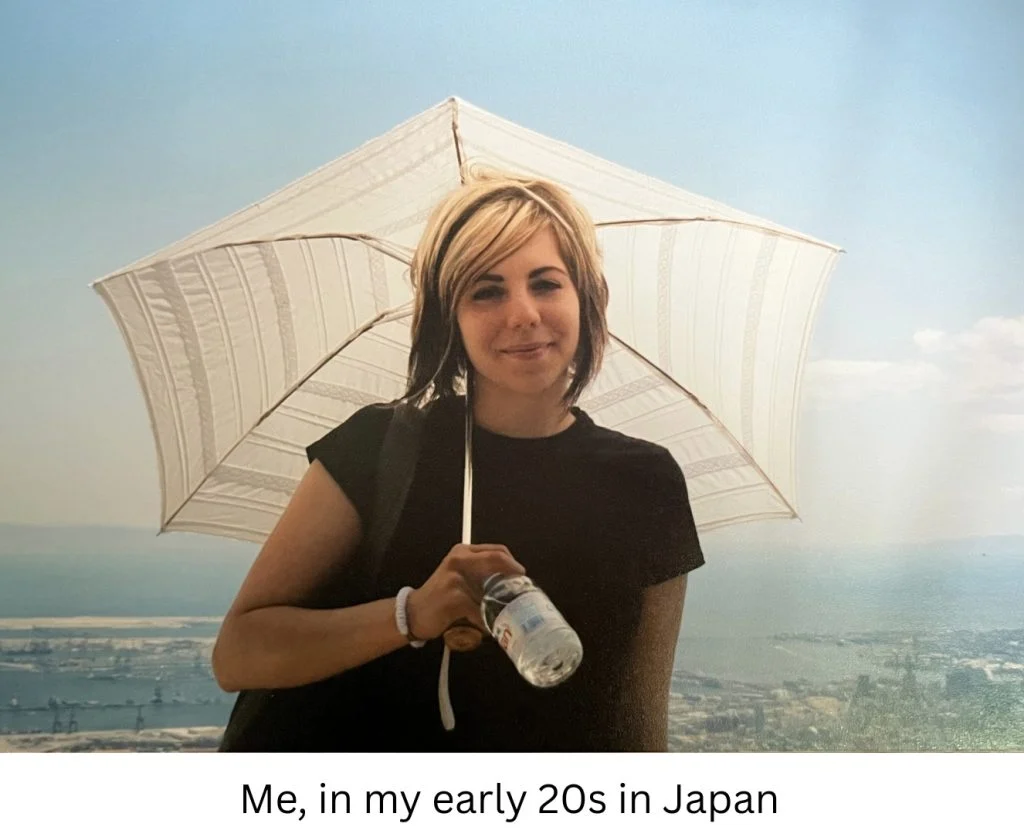
The author’s journey with sun umbrellas began long before the formal diagnosis of dysautonomia. During a period of residency in Japan, the reality of living with an undiagnosed autonomic disorder became stark. Teaching in a classroom, followed by navigating city streets under the intense humidity and heat of a Japanese summer, served as a "crash course" in survival.
In Japan, the use of parasols is not a fashion statement—it is a public health standard. Nearly half of the population (approximately 47.4%) utilizes these devices during the summer months. For the author, the transition to using a sun umbrella was twofold: it offered a much-needed cooling effect and provided a physical shield against the sun, an essential alternative for those suffering from chemical sunscreen allergies.
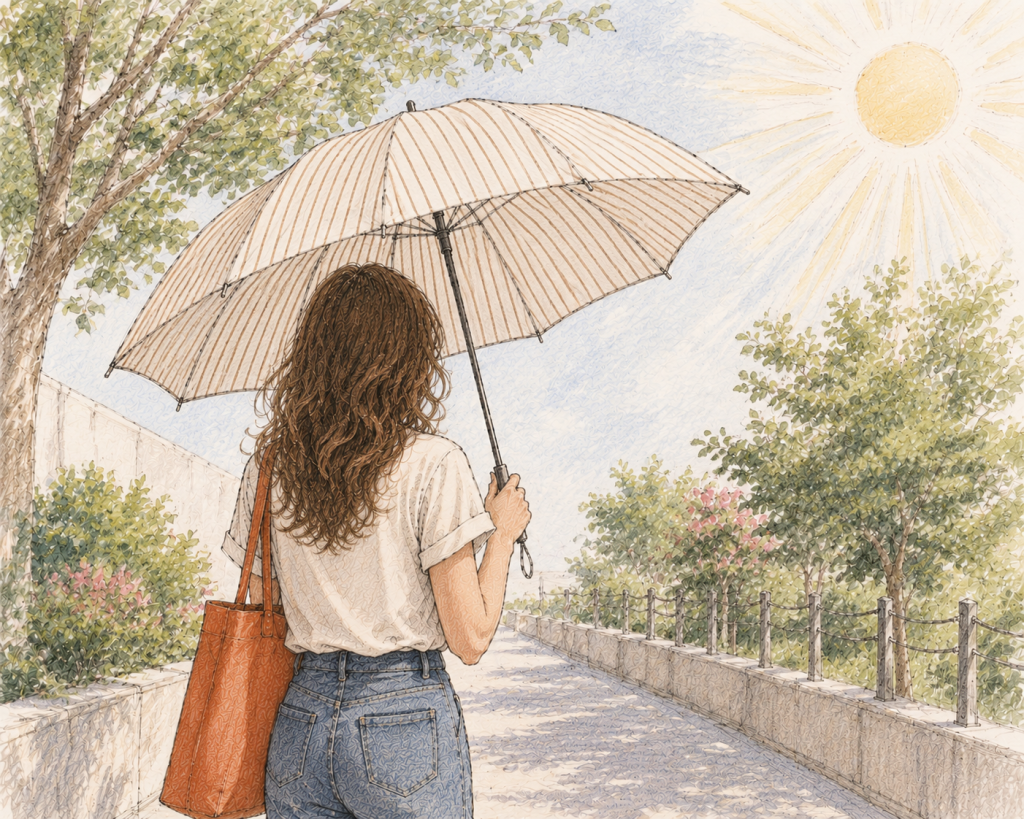
Years later, now residing in Switzerland, the sun umbrella remains a permanent fixture in the author’s daily toolkit. Whether attending outdoor social gatherings or navigating urban environments, the ability to carry a personal patch of shade has redefined the boundaries of what is possible during the summer months.
Supporting Data: Why "Shade" Is Not Just a Feeling
It is a common misconception that standing in the shade is purely a matter of comfort. Scientific inquiry suggests that the benefits are, in fact, measurable. According to research published in journals such as Meteorological Society of Japan, a high-quality UV-blocking umbrella can create a localized microclimate that is between 7°F and 9°F (4°C to 5°C) cooler than the surrounding environment.
This reduction in temperature is critical. For a patient whose cardiovascular system is already operating at a deficit, a 7-degree reduction in heat exposure can be the difference between remaining stable and experiencing a symptomatic episode. By mitigating solar radiation, the sun umbrella reduces the need for the body to engage in aggressive thermoregulation, preserving energy and preventing the "crash" that so often follows heat exposure.
The Evolution of Sun Protection Technology
Modern sun umbrellas, or parasols, are a far cry from their decorative predecessors. Today’s market offers specialized gear designed specifically for heat reduction. Key features to look for when selecting an umbrella for medical management include:
- High UPF Rating: Look for umbrellas with a Ultraviolet Protection Factor (UPF) of 50+. This ensures that the fabric effectively blocks 98% of UVA and UVB rays.
- Reflective Coatings: Premium parasols often feature a silver or black interior coating, which reflects heat away from the user rather than absorbing it.
- Weight and Portability: Since many with dysautonomia also suffer from chronic pain or fatigue, a lightweight, collapsible frame is essential for long-term usability.
- Ventilation: Some advanced designs include wind vents to ensure stability, preventing the umbrella from catching the breeze or becoming a burden to hold.
Retailers such as Uniqlo and various specialized Japanese manufacturers have normalized these high-tech parasols, making them accessible to a global audience.
Implications for Public Health and Accessibility
Despite the overwhelming benefits for those with chronic illnesses, the use of sun umbrellas remains stigmatized in many Western cultures. In many regions, the appearance of an umbrella on a sunny day is met with curiosity, or the assumption that the user is expecting rain.
This social friction represents a significant barrier for patients who might otherwise benefit from the tool. However, the movement toward "invisible illness" advocacy suggests that public perception is changing. As more people learn to prioritize their physiological needs over social conformity, the sight of a parasol is becoming a symbol of self-care and medical necessity.

The implication here is clear: the patient community must continue to advocate for the normalization of these tools. If carrying an umbrella allows a person with dysautonomia to participate in community life, attend events, or simply run errands without the fear of a syncopal episode, the societal stigma is an irrational barrier that must be dismantled.
A Holistic Approach: The "Toolkit" Philosophy
It is important to reiterate that a sun umbrella is not a panacea. For those managing complex conditions like EDS and dysautonomia, success lies in the aggregation of marginal gains. The sun umbrella is one vital component of a broader strategy.
The "summer survival kit" should ideally be a multimodal approach. In addition to portable shade, patients often rely on:
- Aggressive Hydration: Maintaining fluid volume is non-negotiable.
- Electrolyte Replacement: Sodium intake is essential to help maintain blood volume and counteract the effects of heat-induced blood pooling.
- Cooling Products: Neck fans, cooling vests, and chilled towels provide immediate, localized relief.
- Compression Garments: Medical-grade compression stockings help combat the orthostatic intolerance exacerbated by heat.
- Activity Modification: Strategic planning of outdoor excursions during cooler hours of the day (early morning or late evening) remains a cornerstone of management.
Conclusion: Empowering the Individual
The experience of the author serves as a powerful reminder that simple, low-tech interventions can often yield the highest return on investment for chronic illness management. By reclaiming the outdoors through the use of a sun umbrella, patients can regain a sense of autonomy that the illness often attempts to steal.
As we move through the heat of 2026, let us embrace the "portable shade" philosophy. It is a reminder that while we cannot always control the environment, we can equip ourselves with the tools to navigate it safely. Whether it is a cream-colored parasol with subtle pinstripes or a high-tech UV-reflective canopy, the choice to prioritize one’s health is never a trend—it is a necessity.
Sometimes, the simplest accommodations are the ones that make the biggest difference in our quality of life. By integrating the sun umbrella into our daily routines, we aren’t just surviving the summer; we are learning to thrive within the constraints of our biology.
About the Author
Jacqueline Teti serves as the Editor-in-Chief and Director of Programs for Chronic Pain Partners. Her work focuses on bridging the gap between clinical research and the lived experience of patients with EDS and dysautonomia. Her insights are informed by over two decades of personal experience managing chronic health conditions across diverse global environments.