








For many, the act of estate planning is a daunting administrative task—a necessary box to check for the sake of family security. However, for a growing community of forward-thinking donors, August—officially designated as "Make-A-Will Month"—serves as a powerful opportunity to transcend personal legacy and participate in the greatest scientific endeavor of our time: the eradication of cancer through immunotherapy.
By including the Cancer Research Institute (CRI) in a will or living trust, donors are not merely distributing assets; they are fueling a global revolution in medicine. As we mark this awareness month, it is worth examining the profound impact of legacy giving, the rigorous scientific breakthroughs it funds, and the fiscal integrity that makes the CRI a preferred partner for those seeking to make an indelible mark on human history.
Main Facts: The Power of Legacy Giving
At its core, a legacy gift to the CRI is an investment in the future of human health. Unlike traditional donations that address immediate operational costs, legacy gifts—bequests made through wills or trusts—provide the long-term, stable financial foundation required for high-risk, high-reward scientific research.
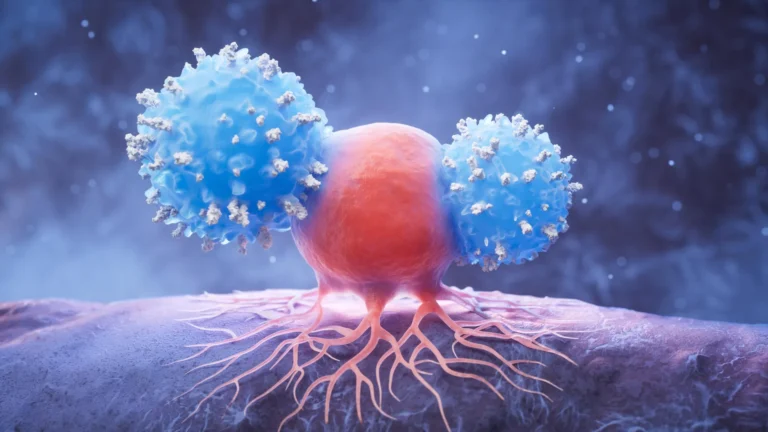
The Cancer Research Institute has spent decades pioneering the field of immunotherapy, a treatment modality that trains the body’s own immune system to identify and destroy cancer cells. Today, this field has moved from the fringes of experimental medicine to the gold standard of oncology. However, the work is far from finished. The complexity of cancer requires constant innovation, and legacy donors are the silent architects behind the next generation of life-saving therapies.
Whether an estate gift is large or small, these contributions aggregate to form a substantial portion of the CRI’s research budget. This funding is critical for ensuring that brilliant, early-career scientists have the resources to pursue radical ideas that might otherwise remain unfunded by traditional government grants.
Chronology: From Concept to Clinical Reality
The trajectory of immunotherapy is one of the most compelling stories in modern medicine, and the CRI has been at its heart since the organization’s inception.
- The Early Vision: For years, the scientific establishment remained skeptical that the immune system could be "taught" to fight cancer. The CRI remained steadfast, providing the seed money for foundational research that debunked this skepticism.
- The Breakthrough Era: Throughout the late 20th and early 21st centuries, CRI-funded researchers discovered key "checkpoints" in the immune system. These discoveries led to the development of checkpoint inhibitors, which have saved countless lives across various cancer types.
- The Modern Frontier: Today, the focus has shifted toward precision medicine. Researchers are now integrating artificial intelligence, genomic sequencing, and cellular therapy to personalize cancer treatment. This current era is defined by a deep understanding of the tumor microenvironment—the complex ecosystem surrounding cancer cells.
- The Role of Legacy: Throughout this timeline, the continuity of research has been guaranteed by the foresight of individuals who chose to include the CRI in their estate plans. These gifts have acted as a bridge, allowing researchers to survive the "valleys of death"—those periods in scientific funding where promising projects might otherwise stall.
Supporting Data: Why Fiscal Responsibility Matters
When choosing a charity for a legacy gift, transparency and efficiency are paramount. Donors want to know that their life’s work—the assets they have accumulated over decades—will be stewarded with the utmost integrity.
The Cancer Research Institute has consistently earned top-tier recognition from independent charity watchdogs, including a 100/100 score and a four-star rating. These accolades are not merely vanity metrics; they are indicators of robust governance, high ethical standards, and a low overhead ratio, ensuring that the maximum percentage of every dollar is funneled directly into the laboratory.
"When a person generously gives through a will or living trust, they can do so with confidence knowing CRI regularly receives recognition from third-party assessors for its good governance and fiscal responsibility," says Katherine Pooser, Director of Planned Giving at the CRI.
Data shows that the impact of these bequests is measurable. In the last decade alone, the influx of legacy giving has allowed the CRI to expand its grant portfolio, supporting dozens of CLIP (Cancer Research Institute-Ludwig Cancer Research Institute) Investigators who are currently leading the world in immunotherapy clinical trials.
Official Responses and Expert Perspectives
The human impact of these gifts is best understood through the voices of the scientists on the front lines. These individuals represent the brightest minds in oncology, and their work is made possible solely through the generosity of the donor community.
The Perspective of the Investigator
Dr. Lloyd Bod, an assistant professor of medicine at Massachusetts General Hospital and a CRI Thompson Family Foundation CLIP Investigator, emphasizes that the support is about more than just money.
"Being a CRI CLIP Investigator is an honor, and not only provides crucial funding, but also connects me with a network of researchers dedicated to making groundbreaking discoveries in immunotherapy," Dr. Bod explains. "It is a commitment to pursuing innovative science that can lead to life-saving therapies for patients worldwide."
Dr. Bod’s research is part of a broader, multifaceted approach supported by the CRI. Other CRI-funded scientists are currently exploring the intersection of neuroscience and oncology—specifically how sensory neurons might influence lung cancer progression—as well as the use of artificial intelligence to decode how T cells recognize and eliminate malignant cells.
The Stewardship Commitment
Katherine Pooser emphasizes the vital importance of the donor’s intent. "Supporters can also be confident that their gift makes a real difference," she notes. "Bequests of every size come together to make up a substantial part of the funding that drives the next wave of immunotherapy developments. We view every gift as a sacred trust."
Implications: Building a World Immune to Cancer
The implications of choosing to support the CRI through a will are profound. By planning today, donors contribute to a "cumulative effect" of medical advancement.
- Sustainable Scientific Infrastructure: By alleviating the pressure of short-term funding cycles, legacy gifts allow scientists to undertake long-term, high-stakes research projects that are essential for medical breakthroughs.
- Empowerment of the Next Generation: Legacy gifts often fund fellowships and early-career grants, ensuring that the brightest young scientists are not forced to leave the field of oncology due to lack of funding.
- Personal Agency in Global Health: For many donors, the motivation is deeply personal. Whether they are honoring a loved one who fought cancer or expressing gratitude for their own successful immunotherapy treatment, legacy giving transforms a personal journey into a public good.
As we continue through Make-A-Will Month, the CRI invites all supporters to consider how they wish to be remembered. The goal of the institute is clear: a world immune to cancer. While the science is complex, the path to achieving this goal is simple: it requires the collective dedication of a community willing to look beyond the horizon.
Conclusion: How to Take Action
Establishing a legacy gift does not require a complex legal overhaul. It is often as simple as adding a codicil to an existing will or naming the Cancer Research Institute as a beneficiary of a retirement account or life insurance policy.
Because of the flexibility of these gifts, they remain under the donor’s control throughout their lifetime, allowing for adjustments as life circumstances change. However, the act of naming the CRI today provides the organization with the long-term planning capacity necessary to commit to multi-year research projects.
If you have questions regarding the logistics of estate planning or wish to discuss how your legacy can support specific areas of immunotherapy research, the CRI’s office of gift planning is available to provide guidance. You may reach them at 212-792-5212.
In the quiet, deliberate act of finalizing a will, you have the power to define the future. By partnering with the Cancer Research Institute, you are not just leaving an inheritance to your family; you are helping to leave a healthier, cancer-free world for generations to come.