







In the ongoing battle against cancer, immunotherapy has stood as one of the most transformative developments of the 21st century. By unleashing the body’s own immune system to identify and dismantle malignant cells, treatments like immune checkpoint inhibitors have turned once-fatal diagnoses into manageable conditions for thousands. Yet, for a significant subset of cancer patients, these therapies remain frustratingly ineffective. Among the most enigmatic of these resistant cancers is fibrolamellar carcinoma (FLC), a rare and aggressive liver cancer that primarily strikes children and young adults.
For years, the scientific community has been baffled by why FLC remains largely impervious to immunotherapy. Now, a groundbreaking study published in the journal Gastroenterology offers a definitive answer: the tumor is literally building a wall to keep the immune system out. By leveraging advanced genetic mapping and an existing FDA-approved drug, researchers have identified a potential "key" to unlocking these tumors and allowing the immune system to do its job.
The Silent Threat: Understanding Fibrolamellar Carcinoma
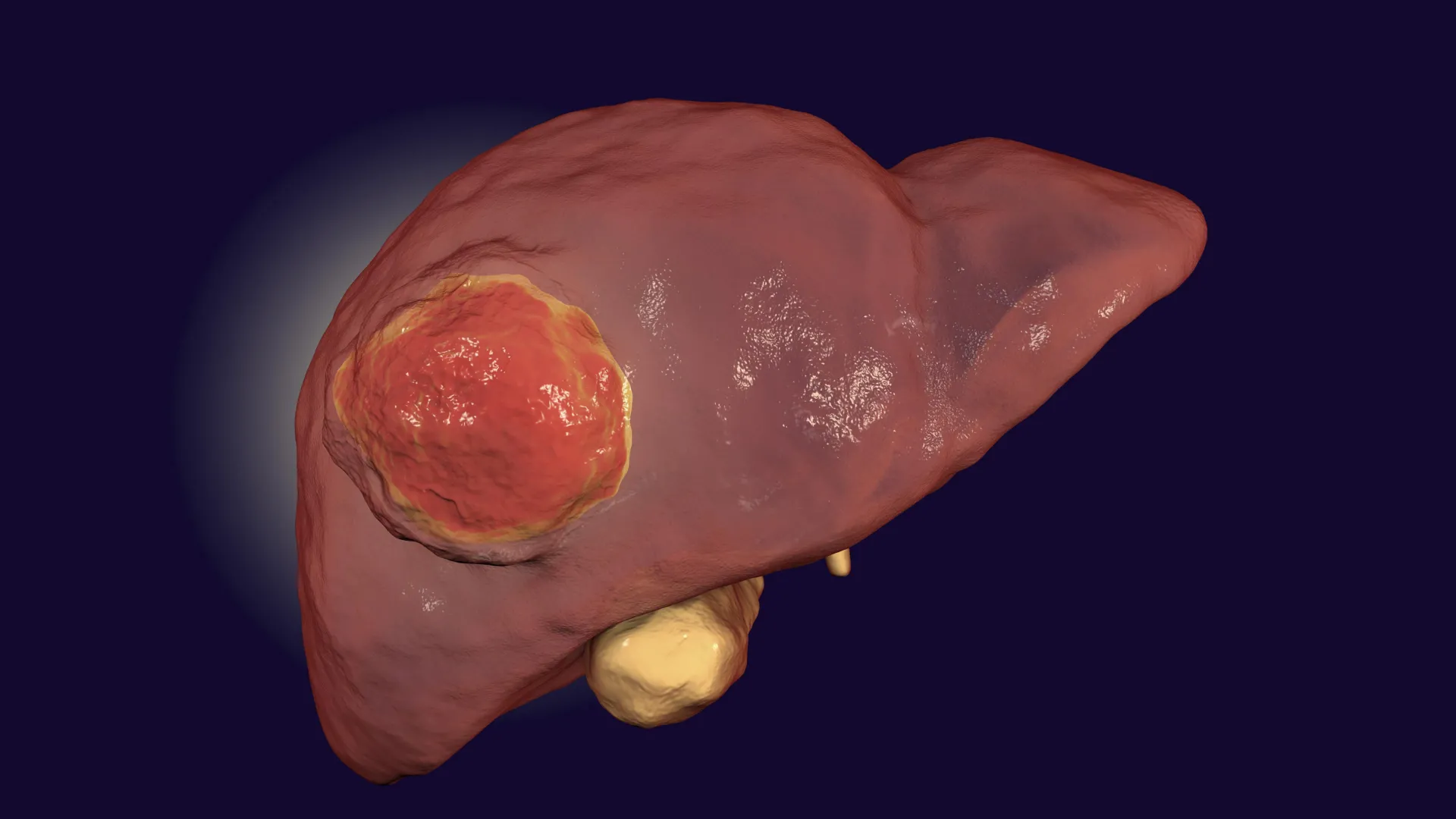
Fibrolamellar carcinoma is a formidable adversary. Accounting for approximately 2% of all liver cancer cases, it is characterized by its distinct, thick fibrous bands that crisscross the tumor tissue—a feature that gives the disease its name. Unlike more common forms of liver cancer that are often associated with cirrhosis or chronic hepatitis, FLC typically occurs in individuals with no history of liver disease.
Because the symptoms are often vague and the cancer is frequently asymptomatic in its early stages, FLC is rarely detected until it has metastasized to the lymph nodes or distant organs. By the time of diagnosis, surgical resection—the only current standard of care—is often impossible or insufficient. With no curative treatment and limited therapeutic options, the prognosis for FLC patients has historically been poor. The quest to understand why immunotherapy fails in these patients has been a primary objective for oncology researchers worldwide.
Chronology of Discovery: From Mystery to Mechanism
The journey to this discovery was a multi-year effort involving a cross-institutional collaboration between Cornell University and the University of Washington.
2020–2022: Mapping the Microenvironment
Researchers began by investigating the "tumor microenvironment"—the complex ecosystem of cells, blood vessels, and proteins that surround a tumor. They hypothesized that the failure of immune checkpoint inhibitors wasn’t due to a lack of immune cells, but rather a lack of access.
2023: The Single-Nucleus Breakthrough
Using a sophisticated technology known as single-nucleus transcriptomics, the team isolated the nuclei of individual cells within FLC tumor samples. This allowed them to map which genes were active in each cell type. This was the turning point. They discovered that normal liver cells, known as stellate cells, were being "hijacked" by the cancer. These transformed cells were not only producing the dense fibrous bands characteristic of FLC but were also secreting chemical signals that physically diverted T cells away from the tumor core.
2024: The Intervention
With the mechanism of "T-cell exclusion" identified, the researchers pivoted to potential solutions. They identified AMD3100, a drug already approved by the FDA for other medical conditions, as a candidate to block the signal that was trapping the T cells. Lab experiments using patient-derived tumor slices confirmed that the drug could indeed redirect T cells to the tumor center.
The Science of T-Cell Exclusion
To understand the magnitude of this discovery, one must understand how immune checkpoint inhibitors are intended to function. These therapies act as a "release" for the immune system’s "brakes." In a healthy response, T cells—the "soldiers" of the immune system—identify cancer cells, infiltrate the tumor, and destroy them.
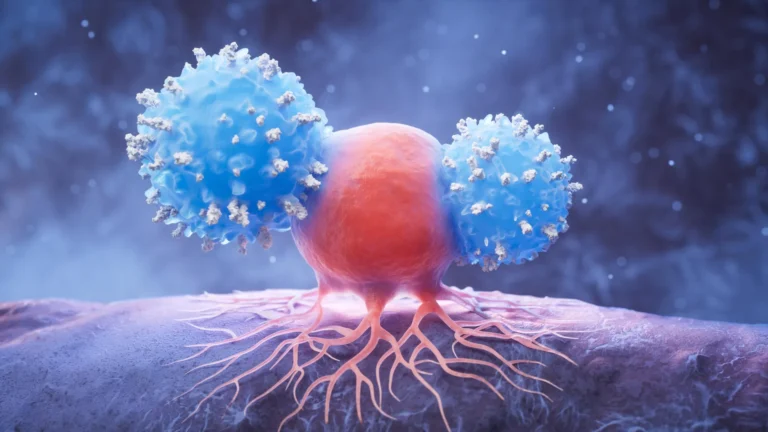
However, in fibrolamellar carcinoma, the tumor creates a sophisticated defense. The altered stellate cells send distress signals that lure T cells into the "fibrous traps" created by the protein bands. The T cells are effectively stranded, unable to reach the tumor cells they are programmed to kill.
"The tumor microenvironment is like a gated community," explains one researcher involved in the study. "The T cells are outside the gates, and the tumor has effectively locked the doors. Our work shows that we can pick that lock."
Official Responses and Expert Insights
The study, led by Praveen Sethupathy, professor of physiological genomics and chair of the Department of Biomedical Sciences at Cornell, and Dr. Venu Pillarisetty, a surgical oncologist at the University of Washington, has sent ripples through the oncology community.
"Our results provide among the first indications of why a type of immunotherapy called immune checkpoint inhibition hasn’t worked well in these patients," says Sethupathy. "Even if this particular drug isn’t the end-all-be-all, it teaches us that this T-cell exclusion phenomenon is a crucial target to tackle in fibrolamellar carcinoma."
The research team emphasized that the collaboration between genomics experts and surgical oncologists was the catalyst for the breakthrough. Andreas Stephanou, a co-first author and Cornell graduate student, noted that the use of single-nucleus transcriptomics was non-negotiable for success. "It wasn’t until we were able to use this technology that the picture of the tumor microenvironment began to clear up for us," Stephanou stated. "We were looking at the tumor in high-definition for the first time."
Implications: A New Path for Clinical Trials
The most promising aspect of this research is the use of AMD3100. Because the drug is already FDA-approved, the regulatory hurdles for transitioning to human clinical trials are significantly lower than those for a novel, experimental compound.
Why Existing Approval Matters
- Safety Profile: The drug’s side effects and metabolic pathways are already well-documented, allowing for a faster transition to clinical testing.
- Reduced Timeline: Researchers estimate that the timeline for evaluating the efficacy of AMD3100 in FLC patients could be cut by years compared to developing a new drug from scratch.
- Synergistic Potential: The study found that combining AMD3100 with immune checkpoint inhibitors significantly increased tumor cell death, suggesting that a "combination therapy" approach will be the gold standard for future trials.
The researchers are now actively seeking partnerships with liver cancer specialists and clinical trial centers to move this discovery from the lab bench to the bedside.
Looking Ahead: The Future of Rare Cancer Research
The discovery concerning FLC carries implications that extend far beyond this specific type of liver cancer. Many other aggressive, solid-tumor cancers—including pancreatic, prostate, and certain brain cancers—have also shown resistance to immunotherapy. Scientists believe that T-cell exclusion may be a universal mechanism used by these tumors to survive.
By mastering the ability to "de-trap" T cells, the medical community may be on the cusp of a new era in precision oncology. If the mechanism identified in FLC can be applied to other "cold" or "excluded" tumors, the number of patients eligible for life-saving immunotherapy could grow exponentially.
The Fibrolamellar Cancer Foundation, which supported this research, has expressed optimism about the findings. For families and patients facing the daunting reality of an FLC diagnosis, this study offers more than just data; it offers a concrete strategy for survival.
As the researchers transition to the next phase of their work, the scientific world will be watching closely. The "locked doors" of the tumor microenvironment may finally be swinging open, providing a pathway for the immune system to complete its mission and turning the tide against one of medicine’s most stubborn enemies.
Technical Contributors and Funding
- Co-senior authors: Praveen Sethupathy (Cornell) and Dr. Venu Pillarisetty (University of Washington).
- Co-first authors: Andreas Stephanou (Cornell), Jason Carter (University of Washington), and Lindsey Dickerson (University of Washington).
- Contributing researcher: Bo Shui (Cornell).
- Support: Funding provided by the Fibrolamellar Cancer Foundation.