











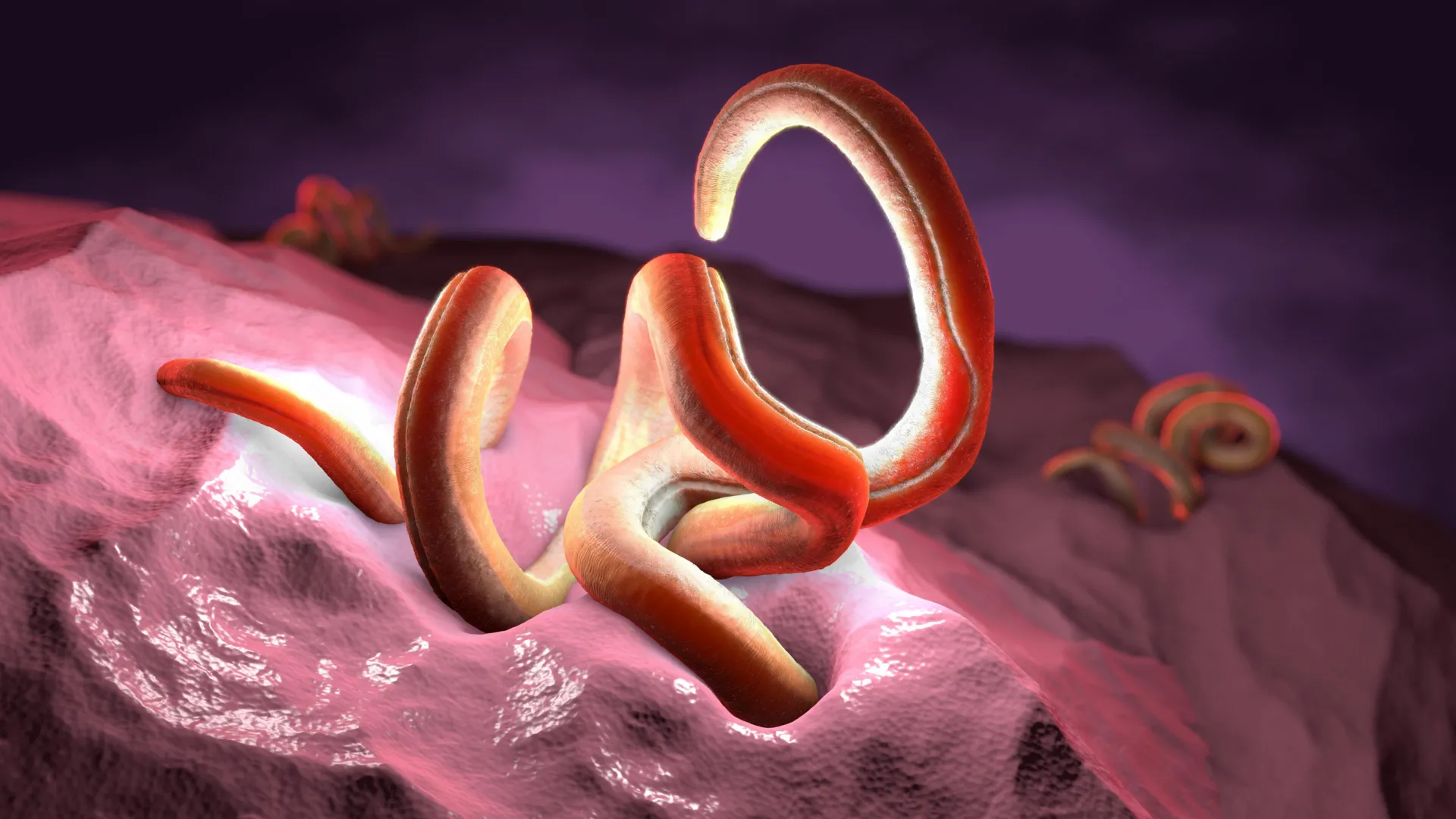
For most of human evolutionary history, the human gut was a bustling, diverse ecosystem populated by a wide array of organisms, including intestinal worms (helminths). As civilization modernized, the widespread adoption of rigorous hygiene, sanitation, and antiparasitic medicine largely eradicated these organisms from the industrialized world. However, this success story carries a hidden irony: the disappearance of these parasites has coincided with a dramatic, sustained surge in autoimmune disorders, inflammatory bowel diseases (IBD), and chronic allergies.
Now, a groundbreaking study published in Nature Communications by researchers at the Biology Centre of the Czech Academy of Sciences suggests that our modern lifestyle—specifically our fiber-depleted diets—may have rendered the gut environment hostile not just to parasites, but to the very mechanisms that once kept our immune systems in check.
The Evolution of Helminth Therapy
The premise that parasites might be "beneficial" is a cornerstone of the "Old Friends" hypothesis. This theory posits that by eliminating the microorganisms and helminths that co-evolved with our immune systems, we have inadvertently left our immune defenses "bored" and prone to overreacting to harmless substances, leading to the rise of autoimmunity.
For the past twenty years, scientists have explored "helminth therapy"—the intentional introduction of benign parasitic worms into the digestive tract to modulate the immune system and soothe inflammation. While early trials showed significant promise, the results were frustratingly inconsistent. Some patients experienced profound relief, while others saw no improvement at all.
"The results of helminth therapy have been inconsistent—sometimes the worms suppress inflammation, sometimes they do not," explains Kateřina Jirků of the Institute of Parasitology at the Biology Centre CAS. "That’s why we focused on factors that may influence their effects in the gut." The Czech team’s investigation eventually narrowed its focus to one primary, overlooked variable: the dietary fiber intake of the host.
Chronology of the Discovery: From Fiber to Physiology
The research team designed a multi-phase study to test the interaction between host diet, gut microbiota, and parasite vitality. They utilized Hymenolepis diminuta—the common rat tapeworm—as a model organism. This species is the gold standard in parasitology for studying immune-parasite interactions due to its non-pathogenic nature and well-documented ability to dampen host inflammatory responses.
Phase 1: The Fiber-Conditioning Experiment
Researchers divided the subject animals into two groups: those receiving a high-fiber, plant-based diet and those restricted to a low-fiber, "Western-style" diet. The researchers monitored the tapeworms’ physical development, genetic expression, and subsequent impact on the host’s immune system.
Phase 2: The Hibernation Response
The findings were stark. In the fiber-rich group, the tapeworms thrived. They grew to full size, reached sexual maturity, and successfully produced eggs. Most importantly, these worms successfully signaled the host’s immune system to reduce inflammation.
Conversely, in the low-fiber group, the worms entered a state of biological stagnation. "When fiber is lacking, the worm enters an energy-saving state resembling hibernation in mammals, and its anti-inflammatory effect disappears," Jirků noted. Genetic analysis revealed that these "starving" worms underwent massive shifts in gene expression, effectively shutting down the metabolic pathways necessary for survival, let alone for influencing the host’s immune environment.
Phase 3: The Microbiome Connection
The researchers discovered that the worms were not acting in a vacuum. The dietary fiber also fundamentally reshaped the host’s gut microbiome. Fiber-rich diets encouraged the proliferation of beneficial bacteria associated with gut integrity. In contrast, the low-fiber diet caused a collapse in microbial diversity, leading to dysbiosis—an imbalance that further inhibited the worms’ ability to communicate with the host’s immune cells.
Supporting Data: The Fiber Gap
The implications of this research are underscored by the massive disparity in global fiber consumption.
- The Recommended Baseline: Health organizations globally recommend a daily intake of 25 to 30 grams of dietary fiber for adults.
- The Western Reality: In many industrialized nations, the average consumption remains significantly below this threshold, often hovering between 10 and 15 grams.
- The Evolutionary Benchmark: Traditional, non-industrialized populations—whose immune profiles are notably more resistant to autoimmune conditions—consume between 80 and 120 grams of fiber daily.
The study indicates that when fiber levels fall, the gut environment ceases to support the complex, symbiotic relationships between host, microbe, and parasite. Without the substrate of fiber, the "Old Friends" are effectively starved out, and the immune system loses its regulation.
Official Perspectives and Scientific Implications
The scientific community has reacted with significant interest to these findings. Dr. Jirků’s team suggests that the failure of past clinical trials in helminth therapy may have been due to a failure to control for the patient’s diet. If a patient is attempting to treat Crohn’s disease with helminth therapy while maintaining a low-fiber, processed-food diet, the worms simply cannot function.
The Microbiome-Immune Axis
The research also sheds light on why fiber is so essential for general health. Beyond the parasite connection, the gut microbiome acts as a primary control center for the immune system. When fiber intake is low, the microbiome struggles to produce short-chain fatty acids (SCFAs) like butyrate, which are crucial for maintaining the intestinal barrier and preventing systemic inflammation.
Recent studies have linked this lack of microbial diversity and fiber deficiency to a host of modern ailments:
- Neurodegenerative Diseases: Chronic systemic inflammation, often stemming from the gut, has been linked to the progression of Alzheimer’s and Parkinson’s.
- Mental Health: The gut-brain axis is heavily influenced by microbial metabolites; low fiber intake has been correlated with increased rates of anxiety and depression.
- Metabolic Syndrome: The absence of fiber-fermenting bacteria is a primary driver of insulin resistance and obesity.
Broader Implications: Redefining Health
The research from the Biology Centre of the Czech Academy of Sciences suggests that our focus on "killing" parasites and "fixing" the immune system via drugs may be missing the forest for the trees. The issue may not be the presence or absence of a specific organism, but the quality of the ecosystem—the gut—that we provide for them.
Rethinking Therapeutic Approaches
If the researchers’ hypothesis holds, the future of autoimmune treatment may involve a "holistic priming" approach. Before introducing any therapeutic biological agent, physicians may need to focus on "re-wilding" the patient’s gut through intensive dietary changes. By elevating fiber intake, clinicians could potentially create an environment where the body’s natural regulatory mechanisms—or supplemental therapies like helminths—can actually take root and perform their intended function.
Policy and Public Health Challenges
The challenge, however, is societal. Transitioning from a Western diet (15g of fiber) to an ancestral diet (80g+ of fiber) is not merely a change in menu; it is a total shift in agricultural and culinary culture. Most of the modern food supply is designed for shelf-stability, flavor enhancement, and rapid calorie absorption—all of which are antithetical to high-fiber intake.
Public health initiatives have historically struggled to move the needle on fiber consumption. This study provides a compelling, biology-based argument for why that struggle is so critical. It is no longer just about preventing constipation or managing cholesterol; it is about providing the fundamental biological fuel required to maintain a functional immune system.
Conclusion
The findings from the Czech Academy of Sciences represent a paradigm shift in our understanding of the human gut. We are not just individual organisms; we are walking, breathing ecosystems. By ignoring the environmental needs of our internal biology, we have crippled the complex systems that kept us healthy for millennia.
As we look toward the future of medicine, this study serves as a humbling reminder: modern technology cannot easily replace the ancient, symbiotic relationships that fiber-rich diets once fostered. If we are to address the growing epidemic of autoimmune and chronic inflammatory diseases, we may need to stop viewing the gut as a simple processing plant and start treating it as the delicate, complex wilderness it truly is. Whether through the lens of helminth therapy or general immune health, the message is clear: the path to a regulated, healthy immune system is paved with fiber.