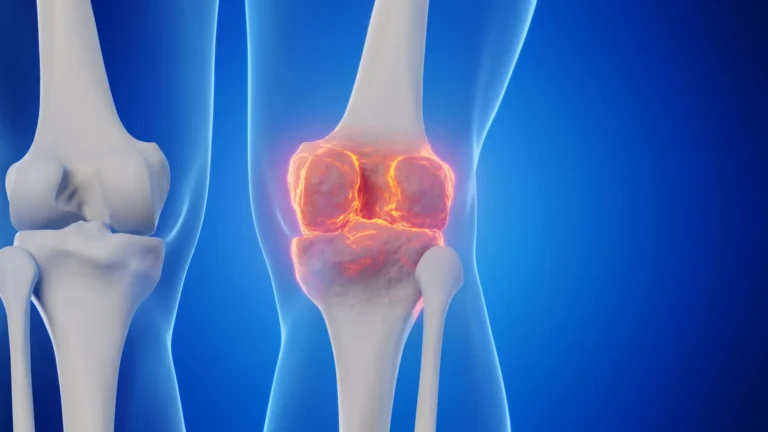
Executive Summary: The Hidden Danger of Myosteatosis
In the modern era of sedentary lifestyles and processed nutrition, a silent metabolic crisis is unfolding beneath the skin. While much of the global health conversation centers on visceral fat—the fat surrounding internal organs—a more insidious threat is accumulating within our skeletal muscles. This condition, known as myosteatosis, occurs when excess lipids infiltrate muscle tissue, impairing the body’s ability to process glucose and fatty acids.
As the global population ages and the prevalence of lifestyle-related diseases such as Type 2 diabetes and metabolic syndrome continues to climb, scientists are racing to find interventions that do more than just burn calories. A landmark study published on September 1, 2026, in the journal Food Bioscience has identified a promising natural ally in this fight: pterostilbene. Found in blueberries, grapes, and various berries, this polyphenol has been shown to stabilize a critical protein pathway, effectively "cleaning" muscle cells of fat buildup without compromising their development.
The Science of Metabolic Flexibility
To understand the significance of this discovery, one must first understand the concept of "metabolic flexibility." Healthy muscle tissue acts as a metabolic furnace, efficiently switching between burning glucose and burning fatty acids to meet the body’s energy demands. However, when lipid droplets accumulate within muscle cells—often driven by high-fat diets, physical inactivity, and the natural physiological decline associated with aging—the muscle’s internal machinery becomes "clogged."
This accumulation is not merely an aesthetic issue; it is a fundamental metabolic disruption. The interference caused by intracellular fat limits the muscle’s ability to respond to insulin, eventually leading to insulin resistance, a precursor to diabetes. For years, the medical community has sought pharmacological ways to address this, yet approved treatments specifically targeting myosteatosis remain elusive. The research led by Associate Professor Takakazu Mitani at Shinshu University in Japan aims to bridge this critical gap by exploring natural, dietary interventions that work in harmony with the body’s existing metabolic pathways.
Chronology of Discovery: From Screening to Molecular Mechanism
The path to this discovery was rigorous and systematic. Dr. Mitani’s team initiated their investigation by screening a wide array of food-derived phytochemicals. Their objective was clear: to identify a compound capable of reducing abnormal fat accumulation within skeletal muscle cells without triggering toxicity or disrupting the essential processes of cell growth and differentiation.
Phase 1: The C2C12 Screening
Using cultured C2C12 mouse skeletal muscle cells—a gold-standard model in muscle biology—the team subjected various compounds to metabolic testing. The screening revealed that pterostilbene was the standout performer, producing the most significant reduction in intracellular lipid levels among all candidates tested. Crucially, the cells treated with pterostilbene maintained normal structural integrity, confirming that the compound did not hinder muscle development.
Phase 2: Unmasking the Mechanism
Once the efficacy was established, the team moved to understand how pterostilbene achieved these results. Initial hypotheses suggested the compound might block the entry of fatty acids into the cells. However, the data told a different story. Instead of preventing lipid uptake, the researchers observed a marked increase in the release of glycerol—a byproduct of lipid breakdown—into the extracellular space. This confirmed that the compound was not merely inhibiting storage but was actively stimulating the catabolism (breakdown) of existing fat stores.
Phase 3: The PPARδ Stabilization Breakthrough
The most unexpected finding came when the team analyzed the role of peroxisome proliferator-activated receptor delta (PPARδ). This receptor is a known "master regulator" of fat metabolism; when active, it drives fatty acid oxidation and prevents cellular lipid buildup.
Typically, researchers attempt to activate PPARδ by binding a chemical "key" to the receptor. Pterostilbene, however, bypassed this conventional approach entirely. The team discovered that pterostilbene prevented the degradation of the PPARδ protein itself. By blocking the ubiquitin-proteasome pathway—the cell’s "trash disposal" system that typically breaks down proteins—the compound ensured a higher concentration of active PPARδ remained within the cell. This increased density of the protein amplified the cell’s natural lipid-burning genes, creating a more efficient metabolic environment.
Supporting Data and Technical Analysis
The findings published in Food Bioscience (Volume 83) highlight a unique, stabilization-based mechanism of action that differentiates pterostilbene from many synthetic agonists.
- Enhanced Fatty Acid Oxidation: Treated cells exhibited a statistically significant upregulation in gene expression related to the mitochondrial oxidation of fats.
- Protein Longevity: Through Western blotting and proteomic analysis, the researchers demonstrated that the half-life of the PPARδ protein was extended in the presence of pterostilbene.
- Metabolic Byproducts: The increased glycerol release served as a quantifiable marker for lipolysis, confirming that the reduction in intracellular fat was the direct result of energy consumption rather than cellular inhibition.
These data points provide a robust framework for further investigation, suggesting that the "polyphenol approach" to metabolic health may be far more nuanced than previously realized.
Official Responses and Perspectives
Associate Professor Takakazu Mitani, the lead investigator on the project, emphasizes that this research is not intended to replace medical treatment but to provide a foundational scientific framework for the next generation of functional nutrition.
"We currently lack approved treatments specifically targeting myosteatosis," says Dr. Mitani. "This critical gap led our team to screen food-derived compounds for natural, dietary interventions. During the screening, we identified pterostilbene and focused our investigation on uncovering its precise mechanism of action."
Dr. Mitani notes that the broader value of this research extends beyond a single compound. "Our findings establish a scientific framework for developing functional foods and nutritional supplements that target muscle fat metabolism. However, beyond the potential of pterostilbene itself, this work provides an experimental framework for identifying other natural compounds that can stabilize the PPARδ protein."
The team’s perspective is one of cautious optimism. They acknowledge that while the molecular evidence is compelling, the jump from in vitro (cultured cell) models to human clinical application is significant.
Implications for Future Health
The potential implications of this study are vast, touching on several of the most pressing health challenges of the 21st century.
1. Combating Obesity and Type 2 Diabetes
If the mechanisms observed in the lab translate to human subjects, pterostilbene-enriched diets could potentially help restore insulin sensitivity in individuals suffering from metabolic syndrome. By optimizing the muscle’s ability to utilize fat for fuel, the compound could serve as a non-pharmaceutical adjuvant to standard glucose-management therapies.
2. Supporting Healthy Aging
Sarcopenia (the age-related loss of muscle mass) and the infiltration of fat into aging muscle are major contributors to frailty. By stabilizing metabolic proteins in skeletal muscle, such compounds could theoretically preserve muscle quality and functional capacity in the elderly, contributing to a better quality of life and reduced dependency.
3. The Future of Functional Foods
The healthcare and functional food industries have been actively seeking "bio-ingredients" that offer scientifically validated health claims. Pterostilbene, a naturally occurring compound already found in a healthy diet, represents an ideal candidate for clinical trials aimed at preventative metabolic care.
A Note of Scientific Caution
Despite the promising nature of these results, it is imperative to maintain scientific rigor. The study conducted by the Shinshu University team is an essential first step, but it is limited to molecular experiments in a controlled laboratory environment.
The researchers explicitly state that these findings do not yet demonstrate that pterostilbene can prevent or treat obesity or diabetes in animals or humans. Before any clinical recommendations can be made, the scientific community must conduct:
- In vivo studies: To observe how the compound is absorbed, metabolized, and distributed in a complex biological system.
- Safety and Toxicity profiles: To ensure that long-term consumption of high-concentration pterostilbene does not have unintended side effects.
- Dose-Response Trials: To determine the precise amount required to achieve therapeutic effects without over-stimulating or disrupting other biological pathways.
Conclusion
The identification of pterostilbene as a stabilizer of the PPARδ protein represents a sophisticated leap forward in our understanding of how diet influences cellular metabolism. By moving away from the "hit-and-run" approach of direct receptor activation and toward the "stabilization" approach, researchers have opened a new door for nutritional science.
While the journey from a laboratory Petri dish to a clinical recommendation is long, the research led by Dr. Mitani provides a compelling roadmap. As the world searches for sustainable ways to address the metabolic consequences of modern life, the answer may be found in the very berries that have been a part of the human diet for millennia—now understood through the lens of modern molecular biology.