






As the global population ages, the search for the "fountain of youth" has shifted from mythical waters to the laboratory and the gym floor. For older adults, the dual challenge of losing body fat while preventing sarcopenia—the age-related loss of muscle mass—is a constant balancing act. A groundbreaking study conducted by researchers at the University of the Sunshine Coast (UniSC) has provided a compelling answer, suggesting that High-Intensity Interval Training (HIIT) may be the most effective exercise modality for maintaining a lean, healthy physique in later life.
Main Facts: The HIIT Paradigm Shift
The study, published in the peer-reviewed journal Maturitas, challenges long-held assumptions about how older adults should exercise. For decades, the conventional wisdom for the over-65 demographic leaned heavily toward low-to-moderate intensity steady-state activity—such as leisurely walking or light cycling—under the assumption that high-intensity exercise might be too taxing or dangerous for aging joints and cardiovascular systems.
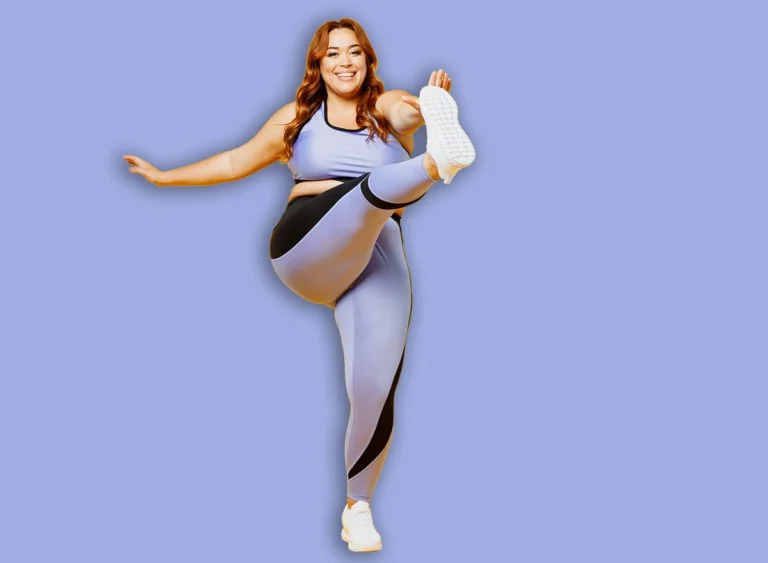
However, the UniSC research indicates that while all forms of physical activity can contribute to modest fat loss, they do not all impact body composition equally. The researchers discovered that while moderate-intensity exercise can indeed reduce body fat, it often comes at the cost of muscle tissue. In contrast, HIIT—characterized by short, intense bursts of effort followed by recovery periods—emerged as the superior strategy, stripping away fat while simultaneously acting as a protective mechanism for lean muscle mass.
Chronology: A Six-Month Deep Dive into Aging Physiology
The research, which was a collaborative effort between UniSC’s Healthy Ageing Research Cluster and The University of Queensland, was a rigorous six-month undertaking. To ensure the reliability of the data, the study followed a structured, longitudinal format involving over 120 healthy older adults residing in the Greater Brisbane region.
The Trial Framework
- Participant Profile: The study cohort consisted of individuals with an average age of 72. Participants possessed an average body mass index (BMI) of 26kg/m², a figure generally considered within a healthy range for those over the age of 65.
- The Protocol: Over the course of 24 weeks (six months), participants were required to attend three supervised, gym-based exercise sessions per week. This consistency allowed researchers to monitor physiological changes under controlled conditions, eliminating the variables often associated with unsupervised home workouts.
- Intensity Categorization: The study categorized exercise into low, moderate, and high-intensity groups. The "high-intensity" intervals were defined as periods of exertion so demanding that the participant’s breathing became heavy and holding a conversation was nearly impossible, followed by structured recovery periods.
By tracking these participants for half a year, the team was able to observe not just immediate metabolic shifts, but the sustained adaptation of the body to different training stimuli.
Supporting Data: The Anatomy of Body Composition
The importance of this study lies in its focus on "body composition" rather than just weight loss. As Dr. Grace Rose, the lead author and an exercise physiologist at UniSC, explains, the number on the scale is often a poor indicator of health in older adults.
The Muscle-Fat Dilemma
When an older adult engages in caloric restriction or moderate aerobic exercise without sufficient resistance or high-intensity stimulus, the body often burns both fat and muscle for energy. This leads to "skinny-fat" syndrome, where weight decreases, but metabolic health declines due to a reduced capacity to process glucose and maintain functional strength.
- The Moderate Intensity Outcome: Participants in the moderate-intensity groups did achieve a reduction in fat mass. However, follow-up body composition scans revealed a concurrent, undesirable decline in lean muscle mass.
- The HIIT Advantage: HIIT participants saw similar fat loss but successfully bucked the trend of muscle wasting. The data suggests that the physiological stress induced by HIIT sends a specific signal to the body: "Muscle is essential." This signaling process appears to prioritize the preservation of muscle fibers even while in a caloric deficit.
- Midsection Metrics: Both high and moderate-intensity training showed significant promise in reducing central adiposity—the visceral fat carried around the abdomen that is a known precursor to cardiovascular disease and type 2 diabetes.
Official Responses and Expert Analysis
The research team, led by Dr. Grace Rose and supported by Associate Professor of Physiology Mia Schaumberg, has emphasized that this study is not merely academic—it is a public health directive.
Why HIIT Works: A Physiological Explanation
Associate Professor Mia Schaumberg highlights that the "why" behind these results is rooted in the body’s adaptive response to stress. "High-intensity training puts more stress on the muscles," Schaumberg explains. "It’s this specific, high-level demand that gives the body a strong biological signal to maintain muscle tissue rather than sacrifice it."
Dr. Grace Rose adds that the findings are particularly urgent given the current health landscape. "We found that while all levels of exercise produced some fat loss, the ability to retain lean muscle is unique to HIIT in our findings. For an aging population, muscle is the currency of independence. Losing it is not an option."
The "New Year" Context
The timing of the study’s release—coinciding with the post-festive season—is intentional. Professor Schaumberg notes that as people draft their health and fitness goals for the year ahead, they should move away from the idea that "gentle" is the only safe option for seniors. "With the festive season behind us, this research can help inform people’s plans for healthy aging. It’s about moving smarter, not just moving more."
Implications: Redefining Healthy Aging for 2026 and Beyond
The implications of this study are far-reaching, potentially changing how physiotherapists, personal trainers, and geriatricians prescribe exercise.
1. The End of "Gentle Exercise" Exclusivity
For too long, the fitness industry has coddled the aging population, pushing low-impact, low-intensity exercise as the standard. While walking is excellent for cardiovascular health, it is insufficient for maintaining the musculoskeletal profile required to prevent falls, fractures, and metabolic decline. This study provides a scientific mandate to integrate "hard" exercise into the routines of those over 65, provided they are screened for medical safety.
2. Combating Chronic Disease
The study underscores a vital truth: body composition changes are the canary in the coal mine for chronic disease. By preserving lean muscle, older adults maintain a higher metabolic rate and better insulin sensitivity. This, in turn, acts as a hedge against the development of diabetes, hypertension, and metabolic syndrome—conditions that disproportionately affect the elderly.
3. Future Research Directions
While the results for HIIT and moderate-intensity exercise are clear, the researchers noted that further analysis is required for the low-intensity results. The study leaves open the question of whether low-intensity training could be modified with specific nutritional interventions to mimic the muscle-sparing effects of HIIT.
4. A Call to Action for the Healthcare Sector
The success of the supervised, gym-based model in this study suggests that healthcare providers should consider "exercise prescription" that includes access to facilities where HIIT can be performed safely. For an older adult, learning how to perform a "short burst of very hard exercise" requires guidance, supervision, and a structured approach to recovery.
Conclusion: Empowering the Aging Body
The UniSC study serves as a wake-up call for the fitness industry and the medical community alike. It challenges the stereotype of the "frail senior" by demonstrating that the aging body is still highly adaptive and capable of responding to vigorous stimulus.
As we look toward the future of public health, the integration of HIIT into the lives of older adults could represent a significant shift in how we manage aging. By prioritizing the preservation of lean muscle through high-intensity intervals, we are not just helping seniors look better—we are helping them remain functional, independent, and metabolically resilient.
The message is clear: if you are over 65 and looking to optimize your body composition, it is time to move beyond the slow, steady pace and embrace the power of the interval. As Dr. Grace Rose and her team have proven, the path to a healthier future may be found in those short, challenging moments where we push our bodies to reach for more.