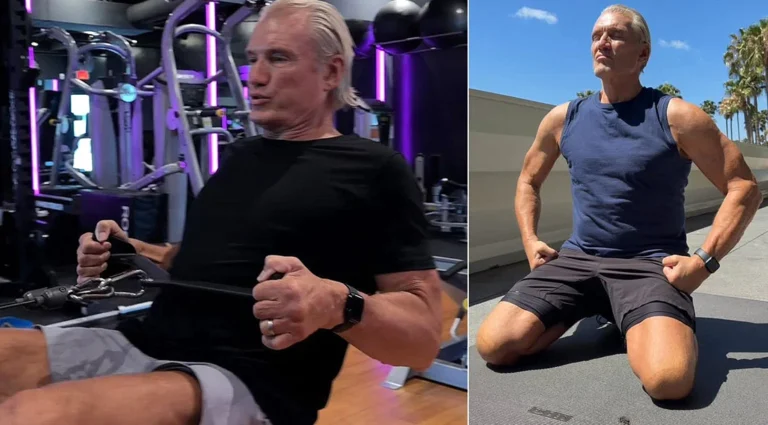











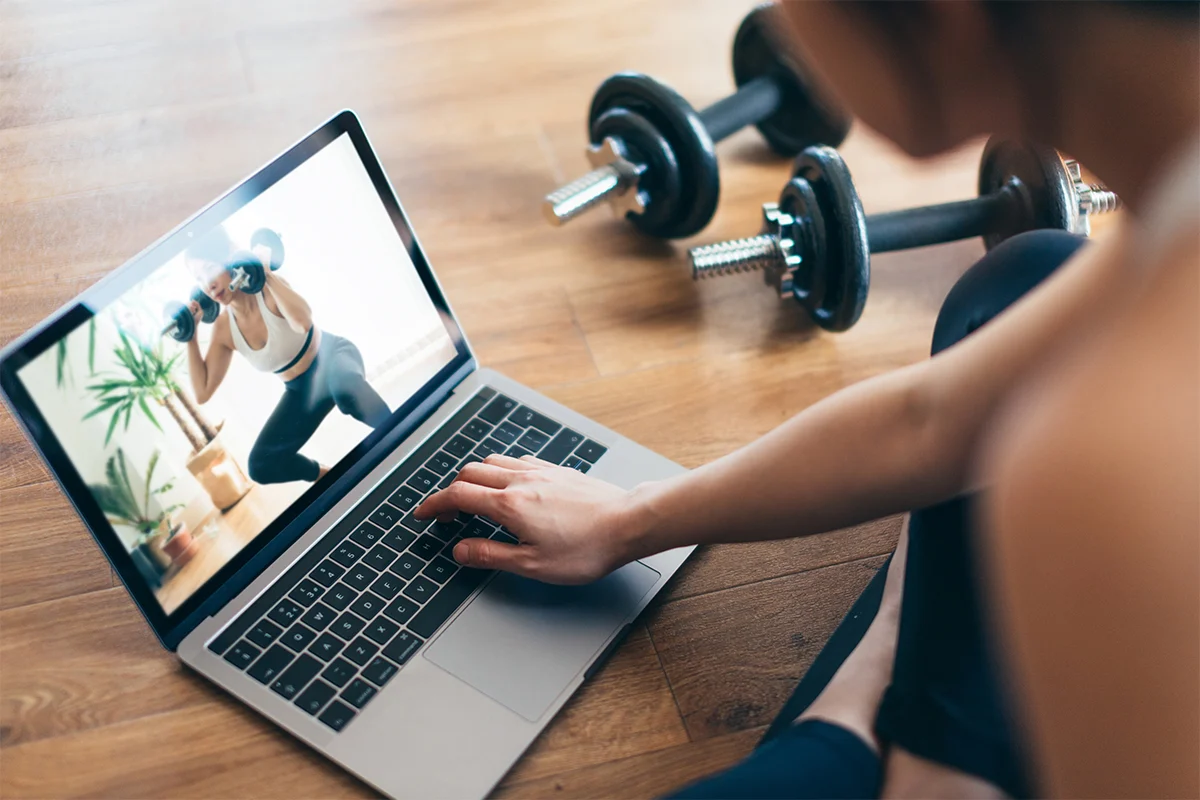
The modern fitness landscape has undergone a seismic shift, transcending the binary choice between the local gym and the home living room. As we move deeper into 2026, the industry is witnessing the maturation of the "hybrid model"—a multifaceted ecosystem where consumers seamlessly integrate brick-and-mortar memberships, high-tech digital platforms, wearable-integrated apps, and outdoor recreational activities. This evolution is not merely a post-pandemic remnant but a permanent structural change in how human beings approach physical wellness.
Main Facts: The New Fitness Ecosystem
The fundamental reality of today’s fitness industry is defined by "flexibility-first" consumption. According to the Global Fitness Consumer Report (2025) published by the International Health, Racquet & Sportsclub Association (IHRSA), the average fitness participant no longer relies on a single touchpoint. Instead, the modern exerciser functions as a "fitness polymath," utilizing an average of 3.4 different modalities to meet their health goals.
The hybrid model is characterized by three core pillars:
- The Anchor (Physical Gyms): Traditional health clubs remain the "anchor" for heavy lifting, specialized equipment, and the psychological benefits of community and social accountability.
- The Connector (Digital Apps/Wearables): Fitness apps and wearable technology act as the bridge, providing real-time data tracking and on-demand guidance that keeps the user engaged between visits.
- The Flex (Remote/Outdoor): This encompasses live-streamed classes, outdoor running, or home-based workouts, allowing for continuity when travel, work, or family obligations make a gym visit impractical.
This integration is driven by the consumer’s desire for hyper-personalization. The "one-size-fits-all" gym membership is rapidly being supplanted by tiered, modular subscription models that allow members to pay for what they use, whether that is full club access or a digital-only tier with limited facility privileges.
Chronology: A Trajectory of Transformation
To understand where we are, we must look at the rapid acceleration of the fitness sector over the last five years:
- 2020–2021: The Great Forced Experiment. The pandemic mandated a total shift to virtual exercise. During this window, the industry learned that digital fitness could be highly scalable and lucrative, even if it lacked the physical engagement of a weight room.
- 2022–2023: The Pendulum Swing. As clubs reopened, there was a fear that digital fitness would crash. Instead, users began demanding a return to the gym while refusing to give up the convenience of their newfound digital tools.
- 2024: The Stabilization of Hybridity. Fitness chains began investing heavily in "omnichannel" experiences. Gyms integrated proprietary app ecosystems that rewarded members for both in-gym visits and home-recorded workouts.
- 2025–2026: The Maturity Phase. The "Worldwide Survey of Fitness Trends" by the American College of Sports Medicine (ACSM) confirms that hybrid training is no longer a "trend" but the baseline expectation. Companies are now focusing on data interoperability—ensuring that a user’s heart rate data from an outdoor run syncs perfectly with their gym’s personal training profile.
Supporting Data: The Metrics of Participation
The Worldwide Survey of Fitness Trends for 2025 (Thompson, 2025) provides compelling evidence of this shift. Surveying thousands of fitness professionals, the report highlights that the primary driver for gym retention today is not just the quality of equipment, but the ability of a club to facilitate an "ecosystem" of wellness.
Key Data Points:
- Retention Rates: Clubs that offer integrated digital coaching see a 22% higher retention rate compared to those that remain "analog-only."
- Frequency of Use: Hybrid users report working out 4.8 days per week on average, compared to 2.9 days for single-format users.
- The "Convenience" Factor: 78% of respondents in the IHRSA study cited "ease of transition between home and gym" as the primary reason for choosing their current gym provider.
- Spending Habits: Consumers are increasingly willing to pay a "premium for flexibility," with a 15% increase in total wellness spend since 2023, split across multiple smaller subscription services rather than a single large annual fee.
Official Responses: Industry Leadership Perspectives
Industry leaders are responding to these findings by shifting their business models from "square footage" providers to "wellness lifestyle" providers.
"The gym is no longer a place you go to; it’s a service you carry with you," says a spokesperson for a leading global health club chain. "Our goal for 2026 is to ensure that when a member travels for business, their fitness routine doesn’t pause. Our app allows them to find partner clubs or follow a bodyweight program that mimics the equipment they use at home. We are providing a continuum of service, not just a keycard access."
However, not all reactions are purely optimistic. Smaller, boutique studio operators have raised concerns about the dominance of large-scale, tech-enabled chains. "The challenge for the boutique sector is maintaining that ‘community’ feel while keeping up with the massive R&D budgets of the tech giants," notes an industry consultant. "To compete, boutiques are focusing on ‘hyper-local’ hybrid models—partnering with local digital platforms to offer exclusive, localized content that global chains cannot replicate."
Implications: The Future of Health and Wellness
The implications of this hybrid shift are profound, impacting everything from urban planning to public health policy.
1. The Death of the "All-or-Nothing" Mindset
The hybrid model is essentially a psychological win for public health. By removing the barrier of "having to get to the gym," the industry has successfully lowered the threshold for daily activity. If a user only has 20 minutes between meetings, they are now empowered to do a high-intensity interval session in their office, rather than skipping a workout entirely because they couldn’t make it to the club.
2. Urban Design and "Third Spaces"
Real estate developers are beginning to incorporate fitness infrastructure into residential and office buildings. We are seeing a rise in "micro-gyms" and wellness zones that serve as nodes in a larger hybrid network, suggesting that the gym of the future may be integrated directly into our living and working environments.
3. Data Privacy and Personalization
As the industry moves toward deeper integration, the role of data has become paramount. With wearables, apps, and gym equipment all talking to one another, the potential for personalized coaching is higher than ever. However, this creates a new challenge: data privacy. Consumers are increasingly asking who owns their fitness metrics and how that data is being used to market services back to them.
4. The Professionalization of Fitness Coaching
The role of the Personal Trainer is evolving. Trainers are no longer just "rep counters"; they are becoming "data analysts" and "lifestyle architects." A successful coach today must be able to guide a client through a hybrid schedule, helping them optimize their outdoor runs, their home recovery sessions, and their heavy lifting days in the gym.
Conclusion
The evolution of the fitness industry toward a hybrid model is a testament to the human drive for autonomy and efficiency. As we look beyond 2026, the lines between "digital" and "physical" will continue to blur, eventually vanishing altogether. For the consumer, this is a golden age of wellness, where the tools for a healthy life are more accessible, flexible, and personalized than at any point in history. The companies that will thrive are those that recognize this reality: the modern gym is not a destination, but a state of mind supported by an integrated network of tools, technology, and community.
References
- International Health, Racquet & Sportsclub Association (IHRSA). (2025). Global fitness consumer report: Hybrid participation trends and member preferences. Boston, MA: IHRSA.
- Thompson, W. R. (2025). Worldwide survey of fitness trends for 2025. ACSM’s Health & Fitness Journal, 29(1), 12–24.
- Fitness Journal – 2026, Issue 7 (IDEA Health & Fitness Association).