





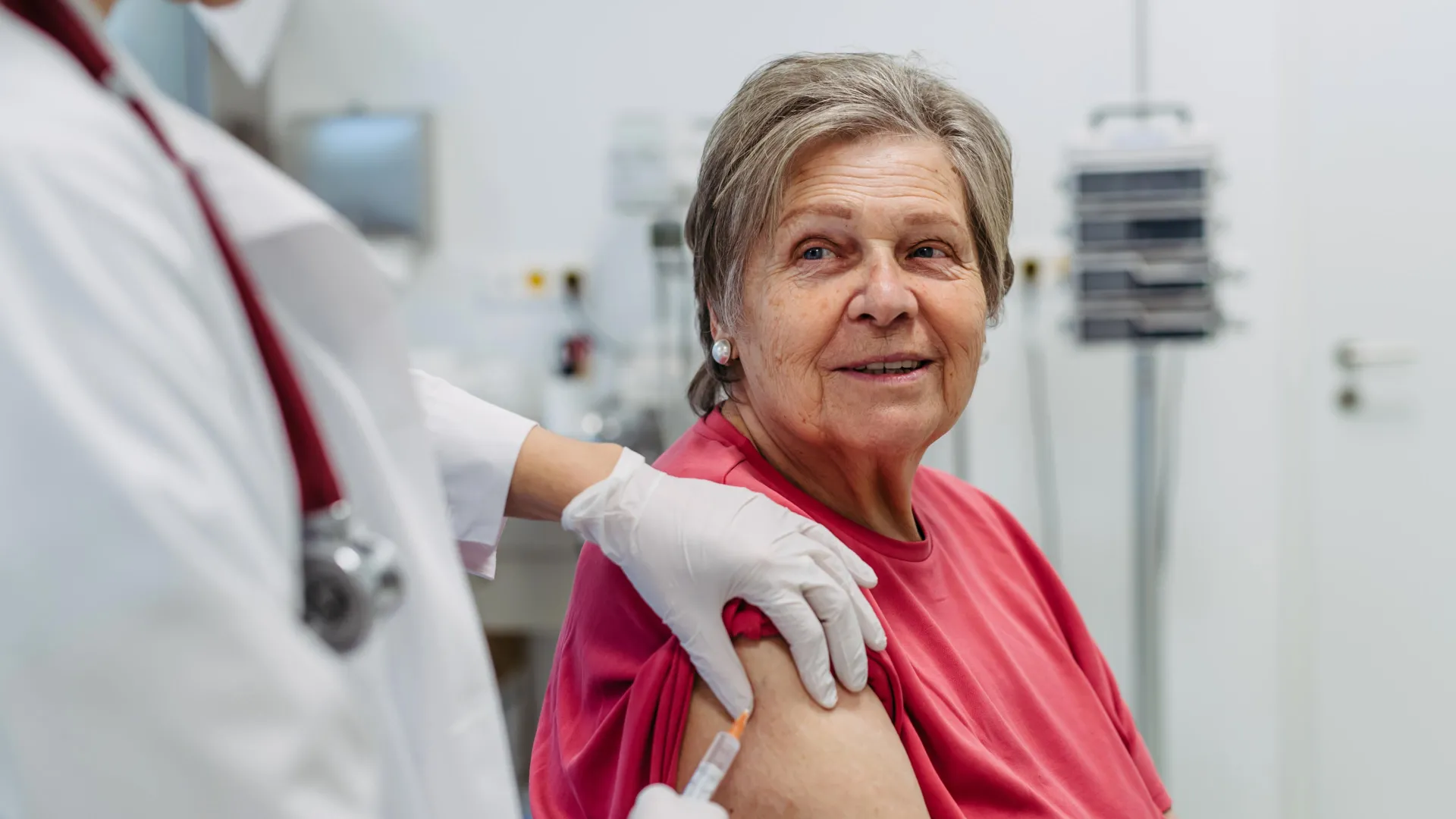
As the global population ages, the challenge of maintaining robust public health has shifted toward understanding the biological nuances of longevity. One of the most persistent hurdles in geriatric medicine is "immunosenescence"—the gradual deterioration of the immune system that leaves older adults more susceptible to infections and less responsive to life-saving vaccines. However, a groundbreaking study recently published in the journal Aging Cell suggests that a naturally occurring compound, spermidine, may offer a promising path toward restoring immune vigor in older populations.
Main Facts: A New Frontier in Immunometabolism
The research, a collaborative effort between the Max Delbrück Center and the University of Oxford’s Nuffield Department of Orthopaedics, Rheumatology & Musculoskeletal Sciences (NDORMS), has identified spermidine as a potential dietary intervention to combat the immune decline associated with aging. By targeting the fundamental cellular processes that govern how our bodies recognize and fight pathogens, the researchers believe they have found a way to "rejuvenate" the immune response in those who have historically failed to generate adequate protection from vaccines.
Spermidine is a polyamine—a molecule involved in various metabolic processes—found naturally in human cells. It is also present in common dietary sources, including wheat germ, mushrooms, and aged cheeses like parmesan and cheddar. The study indicates that supplementation with this compound may help counteract the biological markers of aging in immune cells, effectively "priming" the body to respond more effectively to the COVID-19 vaccine.
Chronology of the Pilot Investigation
The journey to these findings began with a clear clinical observation: during the COVID-19 pandemic, it became starkly evident that while vaccines were highly effective for the general population, a subset of older adults consistently failed to develop the robust antibody titers or T-cell responses seen in younger cohorts. This phenomenon, also observed in influenza vaccination, prompted Dr. Katja Simon, Group Leader of the Cell Biology of Immunity lab at the Max Delbrück Center, and Dr. Ghada Alsaleh of the University of Oxford, to design a clinical trial aimed at addressing the root cause of this "non-response."
The Study Parameters
The research team recruited 40 healthy adults aged 65 and older. The study was structured as a 13-week intervention trial. All participants had recently received their third COVID-19 vaccination. The cohort was split into two groups: one received a daily dose of six milligrams of spermidine, while the other received a placebo.
The researchers monitored the participants throughout the 13-week period, tracking immune cell health, antibody production, and markers of cellular senescence. By the conclusion of the study, the results provided a compelling, albeit preliminary, narrative: those in the spermidine group who had previously shown poor vaccine responses demonstrated a marked improvement in their immune profiles compared to the placebo group.
Supporting Data: Unpacking the Science of Senescence
The data gathered by the research team offers a fascinating look into why vaccines fail in the elderly. Among the 40 participants, approximately 25% were classified as "nonresponders"—individuals who failed to mount a strong immune response despite multiple exposures to the vaccine.
Cellular Aging and Autophagy
Upon closer examination of these nonresponders, the researchers discovered that their immune cells were exhibiting classic signatures of biological aging. These included significant DNA damage and the presence of senescence-associated secretory phenotypes. Cellular senescence occurs when damaged cells stop dividing but remain in the body, secreting inflammatory signals that interfere with the healthy function of neighboring cells.
The study found that spermidine supplementation appeared to combat this by stimulating autophagy. Often described as the body’s "recycling system," autophagy allows cells to break down damaged organelles and proteins, effectively clearing out cellular "clutter" that accumulates with age. By enhancing this process, spermidine allows immune cells to regain their functional efficiency, thereby improving the individual’s ability to produce antibodies and T cells in response to the COVID-19 vaccine.
Neutralizing Capability
The impact was not limited to the mere quantity of antibodies. Participants in the treatment group also exhibited stronger neutralizing activity against various SARS-CoV-2 variants. This suggests that the quality of the immune response—not just the volume—is enhanced by the presence of higher spermidine levels, providing a broader layer of protection against the evolving viral landscape.
Official Responses and Expert Perspectives
The project brought together a multidisciplinary team, including experts from the Oxford Vaccine Group such as Drs. Paul Klenerman, Teresa Lambe, and Lucy Jones, as well as Owen B. Spiller from Cardiff University. The collaborative nature of the study underscores the significance of the findings.
Dr. Ghada Alsaleh, reflecting on the trial’s implications, noted: "Many older adults respond well to vaccines. But some do not develop strong protection, even after repeated vaccination. Biological aging of immune cells may be one reason why this happens. Our findings suggest that spermidine could help restore aspects of immune function in this group."
Dr. Katja Simon emphasized the safety profile of the intervention, noting that the supplement was well-tolerated by all participants, with no adverse effects reported. This is a critical factor for any potential intervention aimed at the elderly, who are often managing multiple medications and may be sensitive to side effects.
Implications for Public Health and Longevity
The implications of this research are vast. If confirmed by larger trials, spermidine could become a standard, low-risk, and accessible intervention to boost vaccine efficacy in the elderly. This would not only save lives during pandemic scenarios but could also be applied to seasonal vaccination programs for influenza and potentially other respiratory diseases.
The Need for Caution: Moving Beyond the Pilot
Despite the optimism surrounding these results, the research team is careful to frame the study as a pilot trial. With a sample size of 40, the findings represent a "proof of concept" rather than a clinical mandate.
"This study was designed as a pilot trial and involved a relatively small number of participants," Dr. Simon explains. "Larger studies will be needed to determine whether spermidine can consistently improve vaccine responses and whether similar effects are seen with other vaccines, such as those used against seasonal influenza."
The path forward will require multi-center, randomized controlled trials (RCTs) with larger and more diverse demographics. Researchers must also determine the optimal dosage, the duration of supplementation required to see lasting effects, and whether the benefits persist long-term.
The Future of "Nutraceutical" Interventions
This study also sits at the intersection of nutrition and immunology. The fact that a compound found in common foods—such as mushrooms and wheat germ—can influence complex immune processes suggests that dietary habits may play a more significant role in vaccine efficacy than previously understood. It opens the door for a new field of "immunometabolism" research, where specific nutrients are used as targeted tools to prevent the decline of the immune system.
Furthermore, as we look toward a future where society is increasingly aging, the ability to improve the quality of life for the elderly by simply improving their resilience to disease is a massive goal. If we can "re-tune" the immune system of a 70-year-old to respond like that of a 40-year-old, we are not just increasing lifespan; we are increasing healthspan.
Conclusion
The study published in Aging Cell is a beacon of hope for a demographic that has been disproportionately affected by the limitations of current vaccine technology. By identifying the role of spermidine in clearing cellular debris and facilitating autophagy, Dr. Simon, Dr. Alsaleh, and their colleagues have illuminated a biological pathway that could fundamentally change how we manage geriatric health.
While the medical community awaits larger, more definitive trials, the current data serves as a compelling reminder that the key to modern medicine often lies in understanding the ancient, natural processes that keep our cells functioning at their peak. As we continue to navigate a world where infectious diseases remain a persistent threat, the promise of a safe, dietary-derived boost to our immune systems is a development worth watching closely. For now, the takeaway is clear: the science of aging is evolving, and with it, our ability to ensure that the later years of life are as protected as the first.