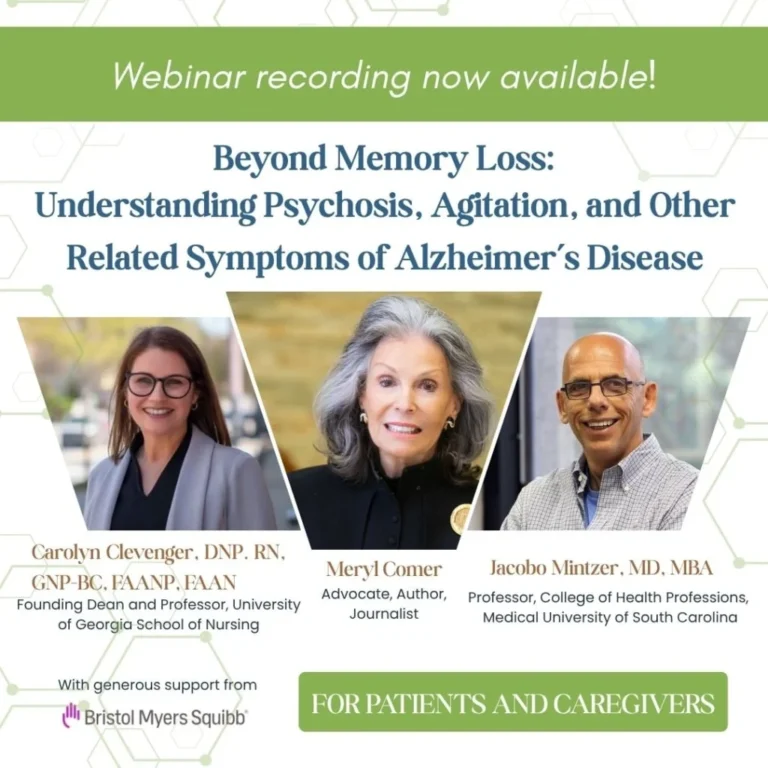






During Alzheimer’s Awareness Month, the focus often shifts to the clinical markers of memory loss. However, as the medical community and families alike are increasingly recognizing, the most profound challenges often lie in the "hidden" symptoms that alter personality, mood, and behavior. These neuropsychiatric symptoms (NPS) do not just impact the patient; they fundamentally reshape the emotional landscape for caregivers, turning the journey into an experience defined as much by grief and guilt as by resilience and resolve.
The Invisible Challenge: Defining Neuropsychiatric Symptoms
Neuropsychiatric symptoms (NPS) encompass a broad spectrum of non-cognitive changes associated with Alzheimer’s disease and related dementias. While memory loss is the hallmark of the disease, clinicians note that symptoms such as agitation, anxiety, depression, apathy, sleep disturbances, and wandering are often the most distressing aspects of the diagnosis.
These symptoms are not merely "difficult behaviors"; they are manifestations of a brain undergoing significant neurological changes. Recognizing these signs is notoriously difficult because they often mimic the stressors of everyday life. A period of withdrawal might be mistaken for sadness; sleep disruptions might be dismissed as insomnia; and irritability might be viewed as a reaction to aging. Experts warn that because these symptoms can emerge well before significant cognitive impairment is detectable, families often struggle to identify them as clinical markers of a neurodegenerative condition.
Chronology of a Diagnosis: From Confusion to Recognition
The journey of an Alzheimer’s patient and their family often begins with a subtle shift—a change in temperament or a series of uncharacteristic decisions.
- The Pre-Clinical Phase: Often, the earliest signs are behavioral. Loved ones may notice a friend or family member becoming unusually apathetic or displaying uncharacteristic anxiety in familiar settings. Because these traits are common in the general aging population, they are frequently overlooked.
- The Period of Guilt: As the disease progresses and a formal diagnosis is finally reached, many caregivers experience a profound sense of retrospective guilt. They look back at the behavioral changes of the past months or years and ask, "Why didn’t I see it sooner?" This self-blame is a common, albeit misplaced, psychological burden.
- The Adjustment Phase: Following the diagnosis, the reality of the condition sets in. This is a period marked by mourning the person the patient "used to be." As personality changes become more pronounced, the dynamic of the relationship shifts, necessitating a transition from a partnership of equals to one of caregiving and advocacy.
- The Shift to Resolve: The final, most sustainable phase is one of transformation. Rather than remaining trapped in the grief of what has been lost, caregivers often move toward "resolve"—a proactive mindset focused on maximizing the quality of life in the present moment.
Supporting Data: The Burden of Care
The emotional toll on caregivers is not anecdotal; it is backed by significant clinical data. Research consistently shows that the presence of NPS in patients correlates directly with increased caregiver burnout, physical exhaustion, and mental health struggles.
According to data presented by the Alliance for Aging Research and the National Alliance for Caregiving, the vast majority of family caregivers report feeling "emotionally drained" when supporting someone with significant NPS. The complexity of these symptoms—specifically the unpredictability of agitation and the persistent nature of apathy—creates a unique strain that physical caregiving alone does not.
Furthermore, studies suggest that when caregivers are equipped with specific tools—such as behavioral modification strategies, communication training, and access to respite care—the "burden" score decreases significantly. The data suggests that education is the most potent intervention for both the patient and the caregiver, as it demystifies the behavior and reduces the tendency to take personality changes personally.
Expert Perspective: Moving from "Harder" to "Smarter" Care
Dr. Brent Forester, Psychiatrist-in-Chief and Chairman of Psychiatry at Tufts Medical Center, has become a leading voice in the shift toward more compassionate, effective caregiving models. In his seminal work, The Complete Family Guide to Dementia, Dr. Forester argues that the current paradigm of caregiving often leads to exhaustion because families try to "force" patients to remain as they were.

"The goal is not to fix the disease in the moment, but to manage the environment and our expectations," Dr. Forester notes. His philosophy centers on the concept of "smarter, not harder" care. This involves:
- Identifying Strengths: Instead of focusing on cognitive deficits, caregivers are encouraged to identify activities that the patient can still enjoy, whether it is music, tactile tasks, or gentle movement.
- Environmental Modification: Many NPS are triggered by sensory overload. Reducing noise, simplifying routines, and providing clear, calming visual cues can mitigate symptoms like agitation and anxiety.
- Prioritizing Support: Asking for help is not a sign of failure. Utilizing formal caregiver resources and building a support network is a functional necessity for long-term sustainability.
Dr. Forester’s approach is a departure from the traditional medical model, which focuses almost exclusively on pharmacologic intervention. While medication has its place in treating severe NPS, behavioral and social interventions are the bedrock of daily management.
Implications for the Future: A Call for Compassion
The implications of this conversation extend far beyond the individual household. As the global population ages, the prevalence of Alzheimer’s and related dementias will continue to rise. This creates a systemic need for healthcare professionals and policymakers to prioritize the training of family caregivers.
The Role of Communication
Effective communication is the most essential tool for managing NPS. Clinicians emphasize that caregivers must learn to "enter the reality" of the patient. If a patient is distressed by a misunderstanding, correcting them—even if the facts are on the side of the caregiver—can exacerbate agitation. Instead, validation and redirection are prioritized. This requires a level of patience and emotional regulation that is difficult to maintain without institutional support.
Institutional Support
The webinar "Caring Together: Empowering Families and Health Professionals with Tools for Better Neuropsychiatric Symptom Care," hosted by the Alliance for Aging Research, highlights the need for a collaborative model. When doctors, social workers, and family caregivers communicate openly, the strategy for care becomes holistic. This integration ensures that the caregiver is not acting as an island but is supported by a team of professionals who understand the nuance of neuropsychiatric progression.
Conclusion: You Are Not Alone
The journey of caring for a loved one with Alzheimer’s is fraught with moments of uncertainty, frustration, and deep sorrow. However, the prevailing message from the aging research community is one of hope and connection.
Resilience is not the absence of struggle; it is the capacity to endure the struggle while finding moments of grace. By recognizing the neuropsychiatric symptoms for what they are—clinical manifestations of a disease rather than reflections of the patient’s character—caregivers can move past the cycle of guilt.
As we reflect on Alzheimer’s Awareness Month, the primary takeaway is the importance of collective support. Whether through caregiver support groups, professional counseling, or educational resources provided by advocacy organizations, the burden of care is meant to be shared. You are not alone in the fear, you are not alone in the grief, and you do not have to be alone in the care. By choosing to move forward with resolve, focus, and the right tools, families can ensure that even in the face of a difficult diagnosis, the dignity and humanity of their loved ones remain at the forefront.