










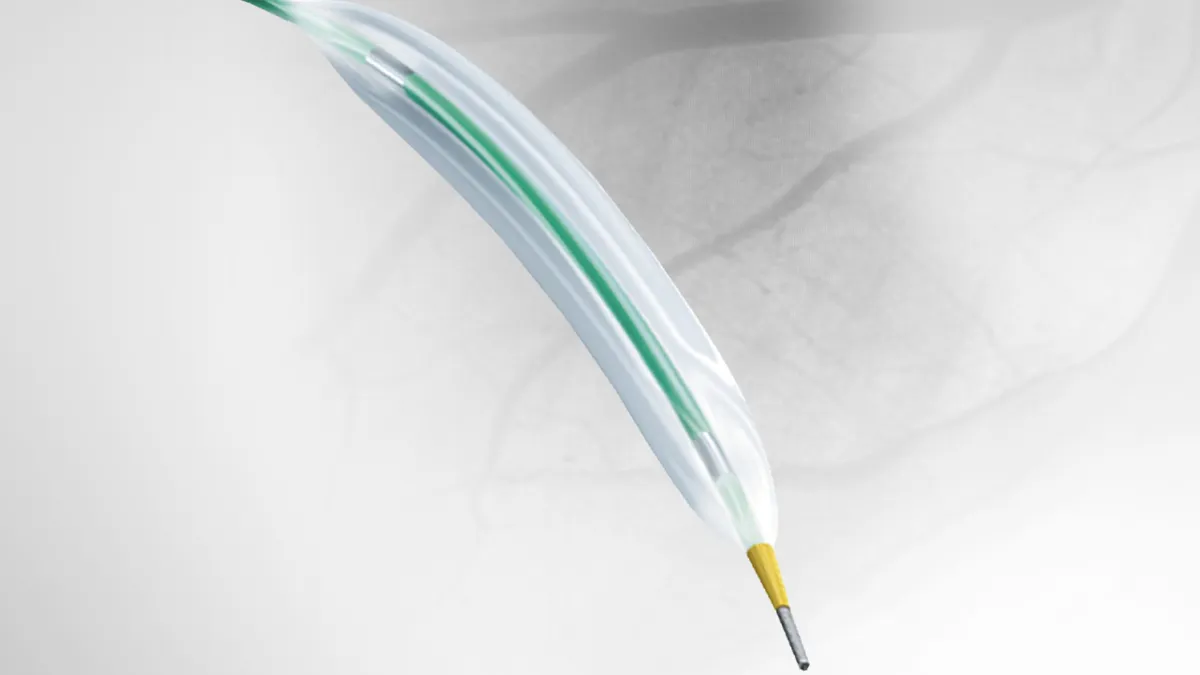
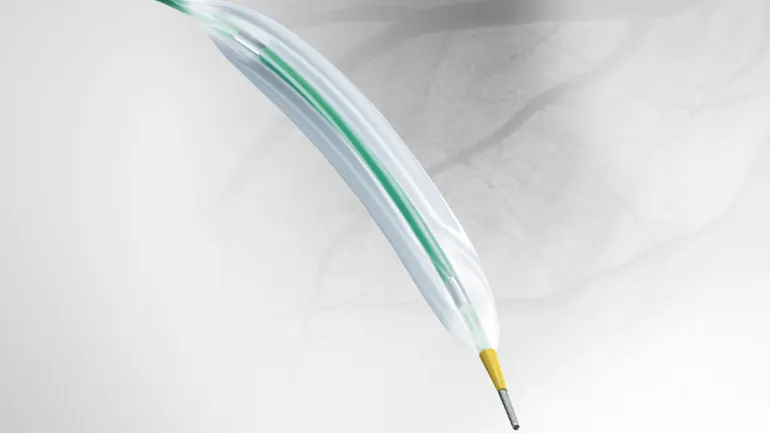
The landscape of coronary intervention in the United States has shifted significantly with the recent FDA approval of the Selution SLR (Sustained Limus Release) drug-coated balloon (DCB). Developed by the Swiss-based firm MedAlliance—which was acquired by cardiovascular powerhouse Cordis in a landmark $235 million deal—the Selution SLR offers a sophisticated technological alternative for the treatment of in-stent restenosis (ISR).
This approval marks a critical juncture for interventional cardiologists, providing a potent new tool to manage coronary lesions while minimizing the clinical risks associated with "full metal jackets"—the practice of layering multiple metallic stents within a single vessel. As the market for drug-coated balloons continues to mature, the introduction of the Selution SLR sets the stage for a competitive showdown with Boston Scientific’s Agent DCB, currently a major growth driver in the sector.
The Clinical Challenge: Addressing In-Stent Restenosis
To understand the importance of the Selution SLR, one must first understand the persistent clinical challenge of in-stent restenosis (ISR). While modern drug-eluting stents (DES) have revolutionized the treatment of coronary artery disease by keeping arteries open, they are not a perfect solution. ISR—the gradual narrowing of a stented vessel due to tissue growth—remains a vexing complication.
For years, the gold standard for treating ISR has been the placement of an additional stent within the existing one. However, clinical literature increasingly highlights the dangers of this approach. Layering metallic stents increases the physical bulk within the vessel, alters the biomechanics of the artery, and creates a pro-thrombotic environment that elevates the risk of future cardiovascular adverse events. U.S. clinical guidelines have long recognized the need for effective alternatives, and the arrival of the Selution SLR represents a move toward "leaving nothing behind" in the vessel, thereby reducing the long-term dependency on permanent metallic implants.
Chronology: From European Innovation to U.S. Market Entry
The path to the Selution SLR’s U.S. approval is a testament to the evolving nature of the global medical technology industry.
- 2003: Cordis, then a subsidiary of Johnson & Johnson, cemented its legacy by receiving the first FDA approval for a sirolimus-eluting coronary stent, changing the trajectory of interventional cardiology.
- 2015–2021: Cordis underwent significant corporate restructuring. It was divested by Johnson & Johnson to Cardinal Health in 2015, and subsequently acquired by the private equity firm Hellman & Friedman in 2021, re-establishing itself as an independent entity focused on vascular technology.
- 2023: Recognizing the potential of drug-coated balloon technology, Cordis acquired MedAlliance. This move was strategic, as MedAlliance had already secured the CE mark for the Selution SLR in Europe, positioning the device against established competitors like Concept Medical’s "Magic Touch" and B. Braun’s "SeQuent SCB."
- 2024: Following rigorous clinical trials and data submission to the FDA, the Selution SLR officially enters the U.S. market, marking Cordis’s successful reentry into the advanced coronary drug-elution space.
Supporting Data: Noninferiority and Clinical Performance
The regulatory approval of the Selution SLR was largely contingent on clinical evidence demonstrating its safety and efficacy compared to the prevailing standard of care. Cordis’s pivotal trial for the device measured its performance against a control strategy that included the use of repeat drug-eluting stents in 80% of cases.
The primary endpoint of the trial focused on "target lesion failure" (TLF) rates. Data indicated that patients treated with the Selution SLR exhibited a TLF rate of 15.2%, while those in the standard-of-care group showed a rate of 13.5%. These figures successfully met the criteria for noninferiority, confirming that the Selution SLR is a clinically viable alternative to traditional stenting practices.
However, the trial also provided nuanced insights regarding specific patient subgroups. In the assessment of patients with "single-layer ISR," the failure rates were 14.2% for the Selution SLR group compared to 6.5% for the standard of care. While these numbers highlight the complexity of clinical trials in cardiovascular medicine, the overall safety profile and the benefit of avoiding additional metallic layers have provided cardiologists with the confidence needed to adopt this technology in their daily practice.
Official Perspectives and Competitive Dynamics
The market reaction to the Selution SLR has been characterized by cautious optimism and intense commercial focus. Boston Scientific, which recently brought its "Agent" drug-coated balloon to market, has already reported significant revenue growth linked to its coronary therapies franchise. By positioning the Agent as a market leader, Boston Scientific has set a high bar for innovation.
Cordis, by contrast, is leveraging its deep historical roots and the unique "sustained limus release" technology of the Selution balloon to carve out its own market share. For Cordis, the launch is not merely about adding a new product to their catalog; it is about reclaiming their position as an innovator in the coronary space.
Physicians now have a clear choice between two distinct drug-delivery technologies: the paclitaxel-coated Agent device and the sirolimus-eluting Selution SLR. This competition is expected to drive further innovation, likely resulting in lower costs for healthcare systems and, more importantly, better long-term outcomes for patients suffering from recurring arterial blockages.
Implications for the Future of Cardiology
The broader implications of the Selution SLR approval extend beyond the immediate financial performance of Cordis.

1. The "Leave Nothing Behind" Movement
The shift toward DCBs signals a fundamental change in philosophy for interventional cardiologists. By moving away from permanent metal implants, the industry is prioritizing vessel health and the potential for future interventions. If a vessel is treated with a balloon rather than a stent, it remains "virgin" territory for potential future procedures, which is a major advantage for patients with chronic, progressive coronary disease.
2. The Role of Private Equity in MedTech
The acquisition of MedAlliance by Cordis and the subsequent support provided by Hellman & Friedman demonstrate the role that private equity plays in accelerating the commercialization of niche medical technologies. Without the capital backing of these firms, the complex clinical trial requirements of the FDA might have been insurmountable for a smaller, independent developer.
3. Patient-Centered Outcomes
Ultimately, the primary winner in this market expansion is the patient. In-stent restenosis is a traumatic experience for patients who have already undergone surgery. The ability to treat this condition with a targeted drug-coated balloon rather than a high-risk repeat stenting procedure represents a significant advancement in quality-of-life outcomes.
4. Regulatory and Clinical Rigor
The detailed scrutiny of the Selution SLR trial data by the FDA ensures that physicians are not just adopting a new gadget, but a tool backed by robust, peer-reviewed evidence. As clinical data continues to accumulate in the U.S. real-world setting, we can expect to see further refinements in the guidelines for when to choose a drug-coated balloon over a traditional stent.
Conclusion
The approval of the Cordis Selution SLR marks a significant milestone in the evolution of interventional cardiology. By successfully navigating the regulatory hurdles of the FDA and securing a place in the competitive U.S. market, Cordis has demonstrated that the appetite for innovative, non-stenting solutions for coronary disease remains strong.
As hospitals across the United States begin to integrate the Selution SLR into their cath labs, the focus will shift from regulatory approval to real-world performance. For the patient, this means more options, fewer metallic implants, and a potentially more durable solution to the recurring problem of vessel narrowing. For the industry, the race between Cordis and Boston Scientific has only just begun, promising a future of continued technological advancements in the fight against cardiovascular disease.