










For millions of people worldwide, the daily ritual of taking a statin is a life-saving necessity. As the gold standard for lowering cholesterol and mitigating the risks of heart attacks and strokes, these drugs have fundamentally altered the landscape of cardiovascular medicine. Yet, there is a persistent, frustrating barrier to their success: a significant subset of patients reports debilitating muscle pain, weakness, and exercise intolerance. These side effects often lead to non-adherence, leaving patients vulnerable to the very cardiovascular events the medication was intended to prevent.
Now, a groundbreaking study led by researchers at McMaster University has identified a previously unknown biological pathway that links statin use to these muscle symptoms. Published in the journal Science Advances, this research provides the most compelling evidence to date regarding why these side effects occur and, crucially, suggests that they may be separable from the drug’s cholesterol-lowering benefits.
The Statin Dilemma: Balancing Efficacy and Tolerance
Statins are among the most widely prescribed medications in human history. By inhibiting the enzyme HMG-CoA reductase, they effectively reduce the production of cholesterol in the liver. Despite their clinical success, the "statin intolerance" phenomenon remains a significant hurdle in preventative cardiology.
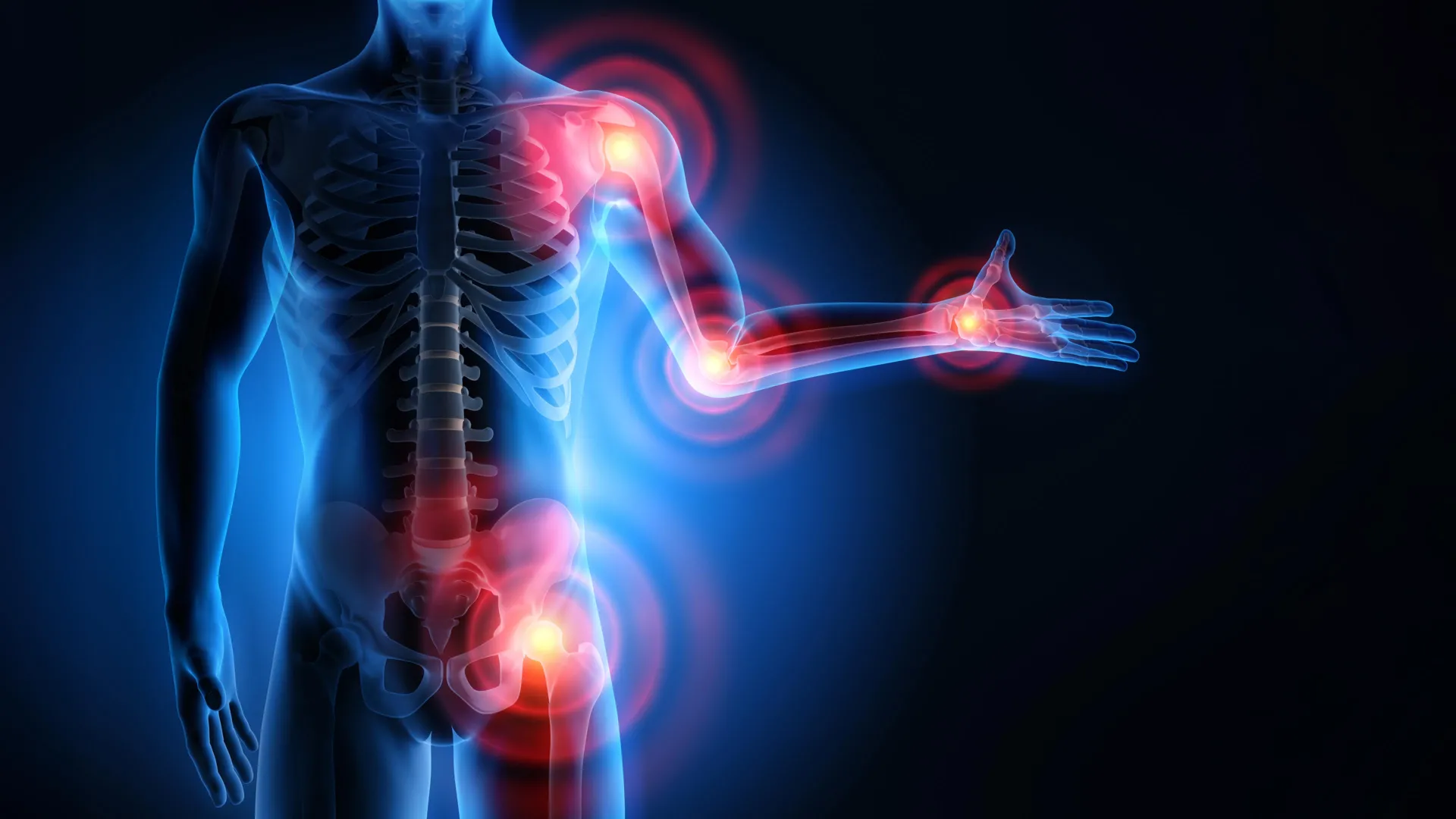
Current estimates suggest that between seven and 29 percent of statin users experience some form of muscle-related symptom, ranging from mild soreness to severe, debilitating weakness. For many patients, the discomfort is significant enough to prompt them to reduce their dosage or discontinue the medication entirely.
"Statins are among the most effective medications we have for reducing cardiovascular disease risk and preventing early death," says Jonathan Schertzer, a professor in McMaster’s Department of Biochemistry and Biomedical Sciences and the senior author of the study. "Unfortunately, muscle side-effects lead some people to reduce their dose or stop taking the medication altogether. We wanted to understand why this happens and whether it might be possible to separate the side-effects from the benefits."
For years, the scientific community has debated the exact mechanism behind these muscle complications. While some theories pointed to mitochondrial dysfunction or coenzyme Q10 depletion, none fully explained the complexity of the patient experience. The McMaster team’s findings shift the conversation toward a sophisticated interaction between metabolism and the immune system.
Chronology of Discovery: From Clinical Observation to Cellular Mechanism
The journey to this discovery began in the Schertzer Lab, where researchers sought to bridge the gap between metabolic health and immunology. Led by first authors Nazli Robin and Nicole Barra, the team initiated a series of experiments designed to observe how muscle cells react to statin exposure at a granular, molecular level.
The Research Timeline
- Initial Hypothesis: The researchers hypothesized that statins might be doing more than just inhibiting cholesterol; they suspected the drugs were triggering a stress response within the muscle fibers themselves.
- Experimental Phase: Using both muscle cell cultures and mouse models, the team administered statins and monitored the cellular response. They observed that the medication was not merely inhibiting cholesterol production but was actively disrupting the muscle cells’ energy-generating pathways.
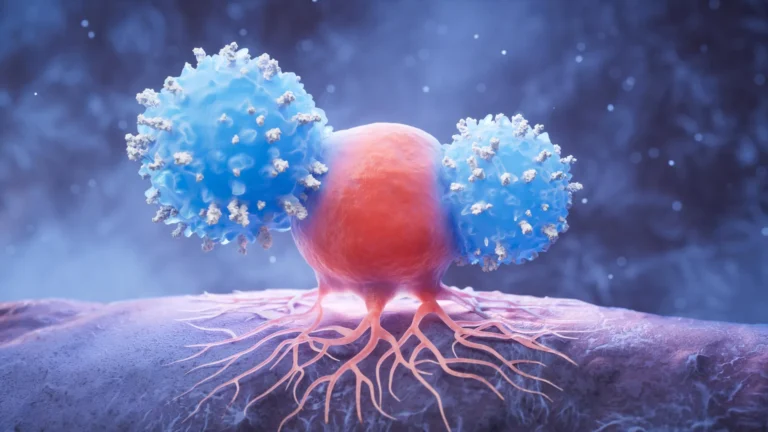
- The Immune Link: As the energy metabolism within the cells faltered, the cells began to exhibit signs of an internal "emergency" signal. The research team identified that this disruption activated an innate immune response within the muscle cells, which, in turn, triggered inflammation and subsequent tissue damage.
- The Breakthrough: In a pivotal experiment, the researchers utilized strategies to block this specific immune response. They found that by inhibiting the immune signaling pathway, they could significantly prevent the muscle damage typically induced by statins, all while the drug continued its work in the liver to lower cholesterol.
Supporting Data: Why the Immune Response Matters
The study reveals that the muscle side effects of statins are not necessarily an inherent, unavoidable cost of cholesterol reduction. Instead, they appear to be a distinct biological event occurring in muscle tissue that is triggered by metabolic stress.
The data suggests a dual-pathway reality. First, the statin acts on the liver to inhibit cholesterol production—the primary clinical goal. Second, in a separate process, the statin interacts with muscle cell mitochondria, causing energy instability. This instability forces the cell to initiate an inflammatory response, which is the root cause of the patient’s physical pain and weakness.
By mapping this pathway, the researchers have effectively "decoupled" the two processes. If the immune response can be targeted—perhaps through future adjunct therapies—patients could continue their cholesterol-lowering regimen without the inflammatory muscle side effects that currently lead to treatment discontinuation.
Official Responses and Expert Perspective
The implications of this study have rippled through the medical research community. Jonathan Schertzer emphasizes that while the findings are transformative, they represent a foundational step rather than an immediate clinical solution.
"One of the most exciting findings of the research is that the mechanism causing muscle side-effects appears to be separate from the mechanism that lowers cholesterol," Schertzer notes. "That suggests it may one day be possible to target the side-effects without interfering with the cardiovascular benefits that make statins so valuable."
The study highlights an unexpected, sophisticated relationship between metabolism and immunity. Traditionally, these fields were studied in isolation; however, this discovery underscores the idea that metabolic stress is a primary driver of immune activation. "These findings give us a clearer understanding of why some patients experience muscle symptoms and provide promising directions for making these important medications safer and more effective in the future," Schertzer adds.
Implications for Future Cardiology
The path forward involves translating these cellular insights into clinical applications. While it is too early for patients to alter their medication routines based on this study, the discovery provides a clear roadmap for pharmaceutical development.
1. Development of Protective Therapies
If researchers can develop a drug that inhibits the specific immune pathway identified by the McMaster team, this "add-on" therapy could be prescribed alongside statins to neutralize muscle-related side effects.
2. Personalized Medicine
Understanding the specific immune response of a patient could eventually allow doctors to predict who is most at risk for statin intolerance. Patients with specific genetic markers associated with this immune pathway might be monitored more closely or offered alternative dosing strategies from the outset.
3. Rethinking Inflammation in Medication
This study contributes to a growing body of evidence suggesting that drug side effects are often the result of complex cross-talk between different body systems. By viewing medication through an "immunometabolic" lens, scientists may be able to refine existing treatments to be more tolerable and patient-centric.
A Global Effort: Collaborative Science
The magnitude of this discovery is a testament to the power of international collaboration. The project brought together a diverse group of experts from:
- Canada: McMaster University and York University.
- France: The Centre International de Recherche en Infectiologie (CIRI) in Lyon.
- Australia: The Centre for Muscle Research at the University of Melbourne, the Murdoch Children’s Research Institute, and The Royal Children’s Hospital.
Funding for this extensive research was provided by the Natural Sciences and Engineering Research Council of Canada (NSERC). This multinational effort highlights the global priority placed on cardiovascular health and the urgent need to address the barriers that keep patients from adhering to their prescribed therapies.
Conclusion
The "statin paradox"—where a drug provides immense life-saving benefits while simultaneously causing enough physical discomfort to prevent its use—has long been one of cardiology’s most persistent challenges. By identifying the inflammatory pathway that bridges statin-induced metabolic stress and muscle damage, the researchers at McMaster University and their international partners have provided more than just a biological explanation; they have provided a new frontier for medical intervention.
As the research progresses toward human clinical trials and potential therapeutic development, the dream of "painless" cholesterol management becomes increasingly tangible. For the millions of people who fear or struggle with the side effects of their daily medication, this study offers the hope that the future of heart health will be both safer and more tolerable than ever before.