






For millions of people worldwide, the transition from day to night is not a time of rest, but a source of profound anxiety. Chronic insomnia—a persistent difficulty falling or staying asleep—affects a staggering portion of the population, leading to diminished cognitive function, impaired physical health, and a pervasive sense of exhaustion. To address this mounting public health concern, the American Academy of Sleep Medicine (AASM) and the Society of Behavioral Sleep Medicine (SBSM) recently hosted their annual "Insomnia Awareness Night." This event serves as a critical bridge between complex medical research and the public, demystifying the disorder and highlighting evidence-based treatment pathways.
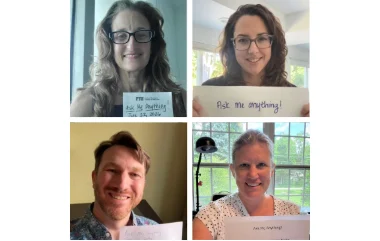
As part of this year’s campaign, four distinguished sleep scientists—Dr. Spencer Dawson, Dr. Sarah Honaker, Dr. Monica Kelly, and Dr. Jennifer Martin—engaged directly with the public in a Reddit "Ask Me Anything" (AMA) session. The following report synthesizes the core findings, expert guidance, and clinical realities discussed during this session, providing a comprehensive look at the modern landscape of sleep science.
The Landscape of Modern Insomnia: Core Facts
Insomnia is more than just a bad night’s sleep; it is a clinical condition defined by the inability to initiate or maintain sleep, despite having adequate opportunity to do so. According to the AASM, true chronic insomnia is characterized by sleep disturbances occurring at least three times per week for a duration of at least three months.
The consequences of this condition extend far beyond daytime grogginess. Long-term sleep deprivation is linked to an increased risk of hypertension, diabetes, obesity, and cardiovascular disease. Furthermore, the psychological toll—manifesting as irritability, decreased productivity, and symptoms of depression—creates a feedback loop that often exacerbates the very sleep issues it originates from.
A Chronological Look at the AMA Session
The Reddit AMA served as a digital town square, allowing for a rare, real-time interaction between world-class researchers and the general public.
The Opening Phase: Addressing Common Misconceptions
The session began with foundational questions regarding "sleep debt." Many participants were eager to know if the "catch-up" method—sleeping for extended periods on Saturday and Sunday—could mitigate the damage caused by a stressful work week.
Dr. Jennifer Martin addressed this with cautious nuance. While data suggests that weekend recovery sleep is marginally better than total deprivation, it is a poor substitute for the restorative power of consistent, seven-to-eight-hour sleep cycles. The consensus among the panel was clear: consistency is the primary pillar of sleep hygiene.
The Middle Phase: Technology and Supplements
As the conversation progressed, the focus shifted to the modern tools and substances people use to force sleep. This section of the AMA was particularly telling, as it pitted technological optimism against clinical reality.
- Sleep Tracking: Dr. Sarah Honaker tackled the rise of wearable technology. She noted that while tracking devices can provide data, they often introduce a new form of "sleep anxiety." If the device suggests you didn’t sleep well, the resulting stress can make future sleep even harder to achieve.
- The Supplement Mirage: The discussion on supplements, including melatonin and THC, was perhaps the most sobering. Dr. Martin pointed out that the supplement market is currently outpacing scientific verification. She emphasized that melatonin is a chronobiotic—useful for adjusting the body’s clock (like in jet lag)—but is rarely a "cure" for chronic insomnia.
The Closing Phase: Pathologies and Clinical Next Steps
The final portion of the session focused on users describing specific, concerning symptoms, such as frequent nocturnal awakenings. Dr. Dawson and Dr. Martin shifted from general advice to clinical guidance, urging those with severe, unexplained wakefulness to pursue formal medical evaluations to rule out conditions like obstructive sleep apnea or circadian rhythm disorders.
Supporting Data and Evidence-Based Approaches
To understand why the experts emphasized certain treatments, one must look at the hierarchy of clinical evidence.
Cognitive Behavioral Therapy for Insomnia (CBT-I)
Throughout the session, the experts repeatedly steered the conversation toward Cognitive Behavioral Therapy for Insomnia (CBT-I). Unlike sleep medications, which often only mask symptoms and can lead to dependency, CBT-I addresses the psychological and behavioral underpinnings of insomnia.
Research consistently demonstrates that CBT-I is the "gold standard" of treatment. It involves:
- Stimulus Control: Re-associating the bed and bedroom with sleep rather than wakefulness or anxiety.
- Sleep Restriction: Temporarily limiting time in bed to increase "sleep efficiency."
- Cognitive Restructuring: Challenging the catastrophic thoughts that often keep people awake at night.
The Role of "Placebo" in Sleep Aids
An intriguing point raised by Dr. Martin was the role of belief in sleep supplementation. She noted that the act of taking a pill can act as a "permission slip" to relax. By believing that a supplement will work, the patient reduces their own hyperarousal, allowing the body to naturally drift into sleep. While this highlights the power of the mind-body connection, it also emphasizes why behavioral interventions (which rely on the brain’s internal regulation) are superior to chemical ones.
Official Expert Responses: Key Takeaways
The panel provided clear guidance on several recurring dilemmas:
1. On Binaural Beats and Ambient Sound
Dr. Spencer Dawson addressed the trend of using binaural beats to induce sleep. While he acknowledged the lack of high-quality, peer-reviewed evidence for the "brain-wave alignment" theory, he didn’t dismiss them entirely. If an individual finds them soothing, they function as a useful distraction. In the context of insomnia, anything that lowers the "cognitive volume" of the brain is a net positive.
2. The 4:00 A.M. Wake-Up Call
A frequent question concerned early morning awakenings. Dr. Dawson emphasized that the body’s sleep needs are dynamic and change with age and circadian preference. He warned against the "forced nap" approach; if you wake up early and cannot fall back asleep, the worst thing you can do is lie in bed and fight the frustration. Instead, he advised getting up and engaging in low-stimulation activity until the body signals a genuine readiness for rest.
3. Hyperarousal and Clinical Testing
For those experiencing "micro-awakenings" (waking every few minutes), the experts were firm: this is a clinical red flag. It is often a symptom of respiratory issues or neurological discomfort that cannot be solved with "sleep hygiene" tips alone. A formal polysomnography (sleep study) is essential to identify the underlying physiological cause.
The Implications for Global Sleep Health
The Reddit AMA organized by the AASM and SBSM reveals a significant gap between public desire for a "quick fix" and the reality of clinical treatment. The modern individual is desperate for a pill, a device, or a sound frequency that will solve their insomnia overnight. However, the experts’ responses suggest that the solution is far more rigorous—and more empowering.
A Shift in Responsibility
The primary implication of the experts’ advice is that the patient must take an active role in their own "sleep architecture." By prioritizing consistent wake times, reducing reliance on unproven supplements, and seeking out CBT-I, individuals can regain control over their internal clocks.
The Future of Sleep Medicine
The success of this AMA highlights the effectiveness of digital outreach. By meeting patients where they are—on platforms like Reddit—medical professionals can combat the tide of misinformation regarding sleep health. As sleep science continues to evolve, the integration of telehealth and digital therapeutic tools (like CBT-I apps) will likely become the standard for treating the millions who suffer in silence.
Final Thoughts
Insomnia is a pervasive condition, but it is not an insurmountable one. As Dr. Martin and her colleagues noted, the path to better sleep is paved with consistency, education, and, when necessary, professional clinical support. Insomnia Awareness Night serves as a vital reminder that sleep is not a luxury to be negotiated, but a biological necessity that requires respect, understanding, and, occasionally, the guidance of those who study the mysteries of the night for a living.
References and Further Reading:
- American Academy of Sleep Medicine (AASM) – Guidelines on Chronic Insomnia.
- Society of Behavioral Sleep Medicine (SBSM) – Clinical Practice Resources.
- The Reddit AMA Thread: Ask Me Anything with Sleep Experts
- Journal of Sleep Research – Studies on Cognitive Behavioral Therapy efficacy.