










As we navigate the decades following our 60th birthday, the conversation surrounding health often shifts toward internal metrics: blood pressure, cholesterol levels, and blood glucose. While these markers are undeniably critical, there is an equally vital, external indicator of how well you will age: your functional leg strength.
Building a robust, resilient lower body is not merely about aesthetics or athletic performance; it is the fundamental insurance policy for your independence. To maintain the ability to walk, climb stairs, and navigate the world without assistance, the human body relies on a kinetic chain that hinges on one primary movement pattern: the squat.
The Foundation: Why Squats Are Non-Negotiable
After the age of 60, the body enters a phase where muscle mass preservation—known as preventing sarcopenia—becomes a primary objective. Regular, purposeful movement is the antidote to the gradual decline of bone density and muscular atrophy.
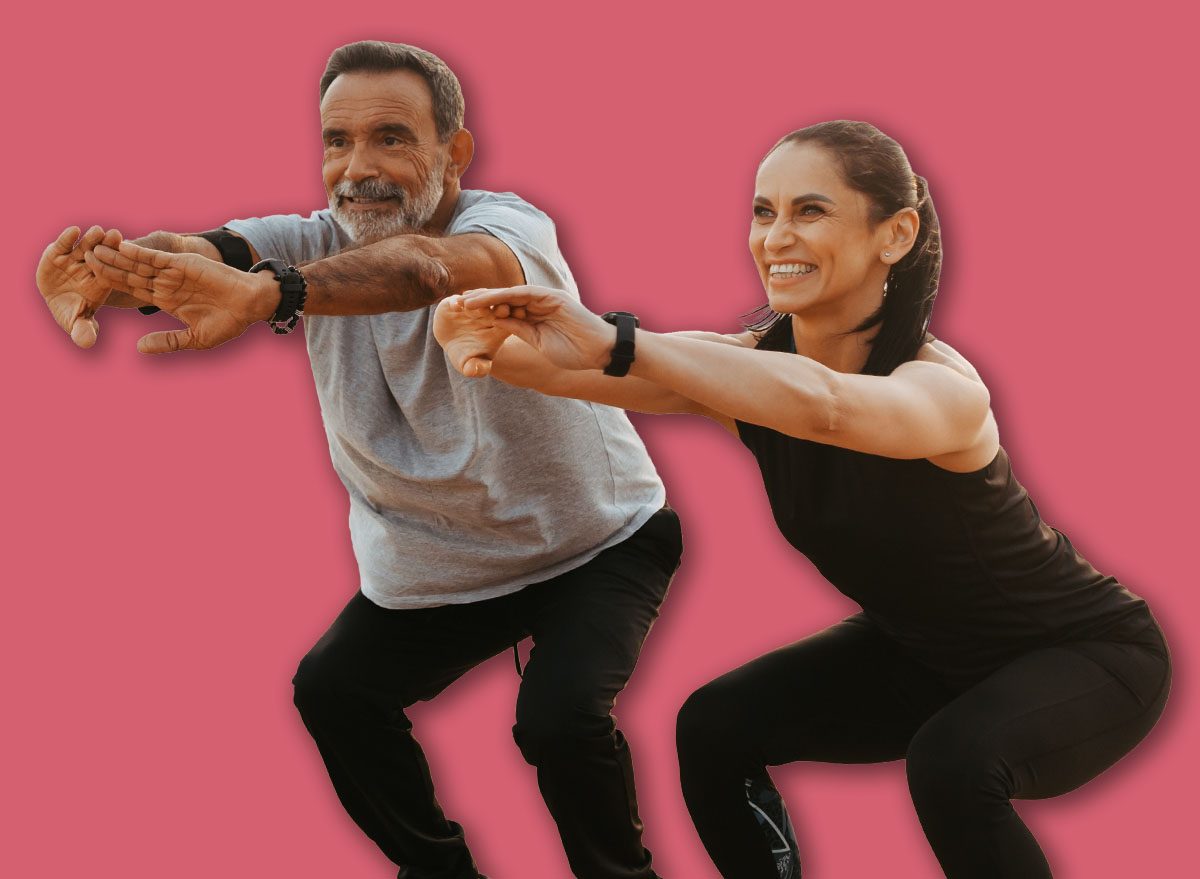
The squat is arguably the most "functional" exercise in existence. It is a compound movement, meaning it simultaneously engages the calves, glutes, quadriceps, hamstrings, and the core. By mastering the squat, you are training your body to perform the essential tasks of daily living. Whether you are rising from a dining chair, stepping out of a low-sitting car, or navigating a flight of stairs, you are performing a variation of a squat.
According to Dr. Andrew Gorecki, PT, DPT, FAFS, owner of Superior Physical Therapy in Traverse City, Michigan, and co-founder of the remote therapeutic monitoring platform MovementRx, the squat is not just an exercise; it is a diagnostic tool for life. "If any part of the squat pattern breaks down—whether it’s ankle mobility, knee control, hip strength, or core stability—all of those daily movements get harder," Dr. Gorecki notes.
Chronology of a Movement Pattern
The importance of the squat pattern evolves as we age, shifting from a gym-based exercise to a vital survival skill.
- In your 20s and 30s: Squats are often viewed as a tool for hypertrophy (muscle growth) or athletic power.
- In your 40s and 50s: The focus transitions toward metabolic health and maintaining joint integrity through consistent load-bearing activity.
- Post-60: The squat becomes the primary barometer of "functional independence." The ability to transition from a seated to a standing position without the use of upper-body assistance (like pushing off armrests) is a key indicator of whether an individual can safely navigate their environment.
When the squat pattern begins to fail—often characterized by a loss of balance, the need to use hands for leverage, or limited range of motion—it is often a signal that the neuromuscular system is losing its efficiency. Ignoring this decline can lead to a cascade of negative outcomes, including an increased risk of falls, which remains a leading cause of injury-related hospitalization for seniors.
Supporting Data: The Science of the "Chair Stand"
While many fitness enthusiasts track their "one-rep max" in the weight room, clinicians prioritize functional tests. The "30-Second Chair Stand Test," developed by researchers Rikli and Jones as part of the Senior Fitness Test battery, is the gold standard for measuring lower-body strength in older populations.
The beauty of this test lies in its simplicity. It measures how many times an individual can stand up from a seated position and return to a seated position within 30 seconds. Unlike a gym squat, which requires specific equipment, the chair stand mimics the exact physical requirement of getting off a toilet, a chair, or a sofa.
What is "Top-Tier" Performance?
Dr. Gorecki emphasizes that while squatting is not a "pure" measure of strength, it is a master class in coordination and endurance.

- The Elite Threshold: According to established clinical norms, if an individual over the age of 60 can perform 20 or more chair stands in 30 seconds, they are performing at an elite level. "That number is roughly what fit adults in their 40s produce," says Dr. Gorecki.
- Bodyweight Squat Estimations: For those practicing full-range bodyweight squats (descending until thighs are parallel to the floor), the numbers look different due to the increased range of motion. While there is no universal, validated clinical standard for this, Dr. Gorecki suggests that 25 to 30 repetitions in 60 seconds for men, and 20 to 25 for women, represents an exceptional level of functional capacity.
Official Perspective: The "Whole System" Approach
It is important to clarify that clinicians do not use these numbers to shame those who fall short. Rather, these benchmarks act as early warning systems.
"That’s actually why the test is useful," Dr. Gorecki explains. "It captures the whole system that keeps someone functional in daily life. It’s more important than any single metric."
When a patient’s squat count drops significantly, it is rarely due to a single "weak muscle." It often indicates a systemic issue involving:
- Ankle Mobility: Essential for keeping the heels planted during a squat.
- Knee Control: Vital for preventing joint strain and ensuring stable movement.
- Hip Strength: The primary "engine" for standing up.
- Core Stability: Necessary for maintaining an upright torso.
- Cardiovascular Capacity: Required to sustain the effort over 30 to 60 seconds.
If you find yourself unable to perform a high number of squats, Dr. Gorecki advises against simply "trying harder." Instead, you must diagnose the limiting factor. Is it pain in the knees? A lack of ankle flexibility? Or a lack of core engagement? By identifying the bottleneck, you can implement targeted physical therapy or corrective exercises to regain your independence.
Implications for Longevity
The implications of maintaining this functional movement are profound. The research is clear: the ability to perform a standard squat correlates strongly with a reduced risk of hospitalization and institutionalization.
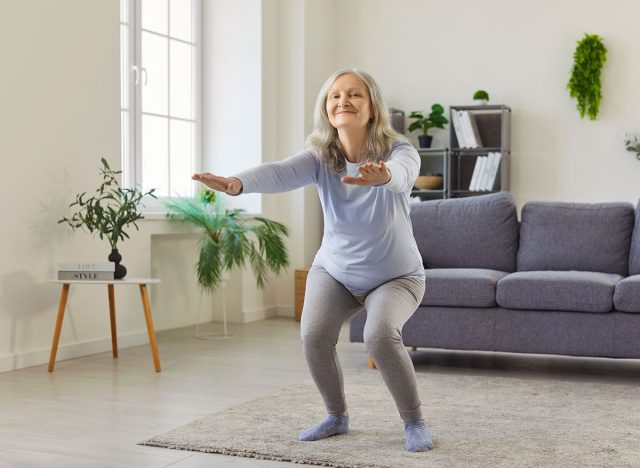
When you maintain the ability to "squat" into a chair, you are essentially maintaining your ability to live independently. You are ensuring that you can pick up a grandchild, garden without assistance, or travel without the fear of being unable to get out of an airplane seat or a taxi.
Moving Forward: How to Safely Improve
If you are looking to improve your squat performance, focus on these three pillars:
- Form Over Frequency: Never sacrifice depth or stability for a higher count. A sloppy squat that places stress on the lower back or knees is counterproductive.
- Consistency: Incorporate chair stands into your daily routine. Treat them as a "movement snack" rather than a grueling gym session.
- Address Mobility: If your heels lift off the floor when you squat, you likely need to work on calf and ankle mobility. If you cannot keep your chest up, focus on thoracic (upper back) extension and core strength.
Final Thoughts
The "squat test" is not a competition. It is a conversation between you and your future self. By tracking your ability to move your body through space with control, you are taking a proactive stance against the decline often associated with aging.
As Dr. Gorecki notes, "If you can’t do many, that’s not just a fitness problem. That’s an independence issue you want to address before it gets worse." Whether you can do five squats or fifty, the goal remains the same: keep the pattern alive, keep the joints moving, and prioritize the foundational strength that allows you to live life on your own terms.