






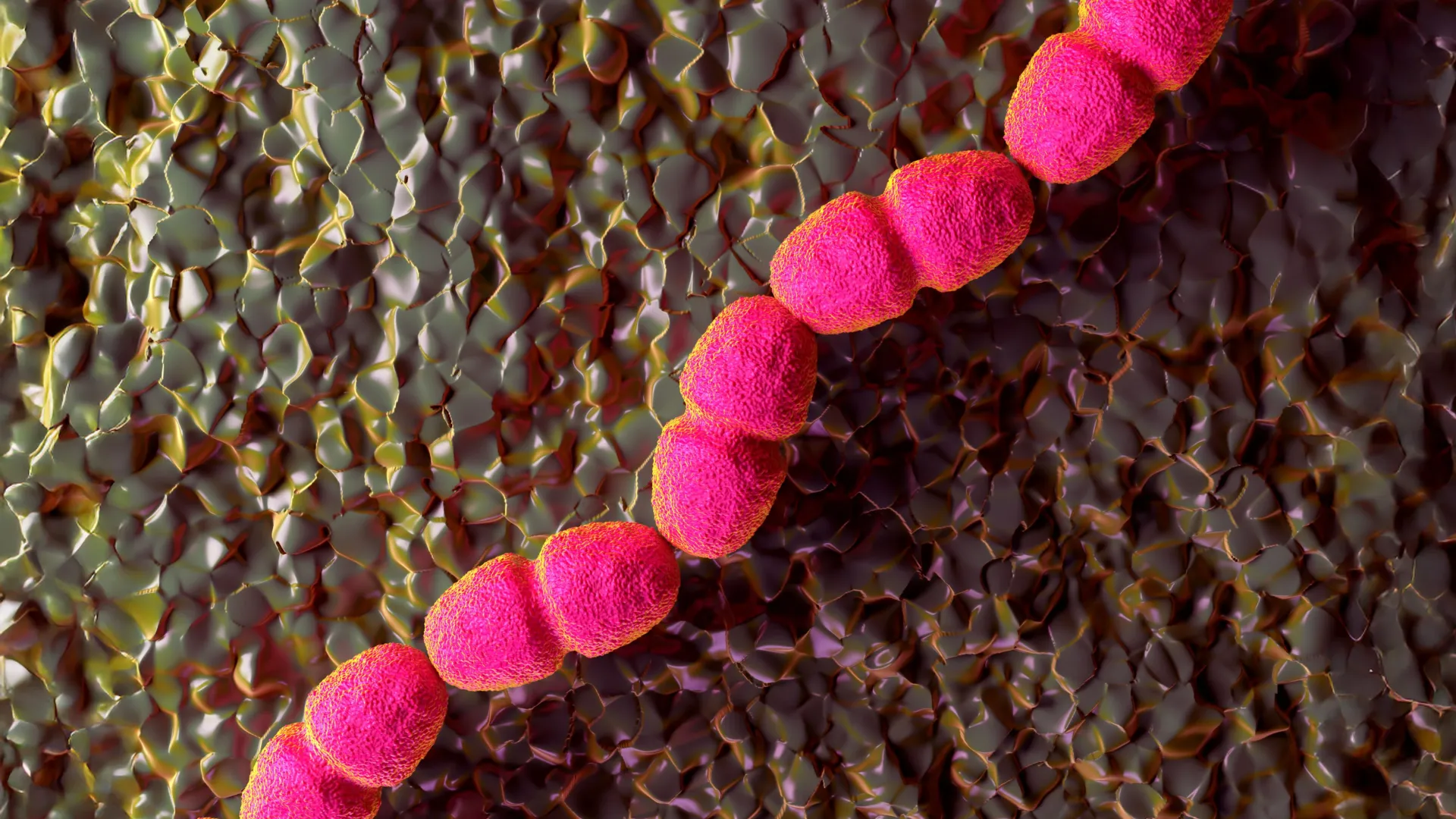
In a breakthrough that could reshape the clinical management of chronic wounds, an international research team led by Nanyang Technological University, Singapore (NTU Singapore) has unveiled a novel therapeutic strategy to accelerate healing. By identifying a previously unknown "metabolic weapon" used by bacteria to sabotage human skin repair, researchers have opened a door to treatments that bypass the growing global crisis of antibiotic resistance.
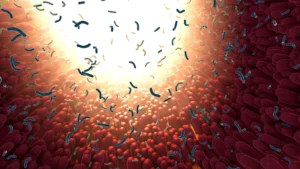
The study, published in the prestigious journal Science Advances, details how the common bacterium Enterococcus faecalis—a frequent inhabitant of chronic diabetic ulcers—actively paralyzes the skin’s natural repair mechanisms. Rather than relying solely on traditional toxicity, the bacteria exploit a metabolic pathway to chemically "stun" human cells, preventing them from sealing wounds. This discovery suggests that the future of wound care may lie not in killing bacteria, but in neutralizing their harmful metabolic byproducts.
The Silent Crisis of Chronic Wounds
Chronic wounds represent a mounting, often overlooked, global health emergency. Defined as wounds that fail to proceed through the orderly phases of healing within three months, these injuries disproportionately affect the elderly and the diabetic population.
Globally, approximately 18.6 million people struggle with diabetic foot ulcers each year. Given that one in three individuals with diabetes will experience such an ulcer at some point in their lifetime, the burden on healthcare systems is immense. In Singapore alone, the landscape is sobering: more than 16,000 cases of chronic wounds—including pressure injuries, venous leg ulcers, and diabetic foot ulcers—are reported annually.
For these patients, the stakes are exceptionally high. Chronic wounds are a leading cause of non-traumatic lower limb amputations, drastically reducing quality of life and imposing significant financial strain. When these wounds become colonized by bacteria, the healing process often stalls entirely, trapping patients in a cycle of infection, inflammation, and cellular dysfunction.
Chronology of a Scientific Breakthrough
The path to this discovery began with a fundamental question: Why do certain infections cause wounds to stall even when the bacterial load appears manageable?
Phase I: Identifying the Culprit
The collaborative research, led by NTU Associate Professor Guillaume Thibault and Professor Kimberly Kline of the University of Geneva (also a visiting professor at the Singapore Centre for Environmental Life Sciences and Engineering), focused on E. faecalis. While long recognized as an opportunistic pathogen in wound infections, the exact mechanism by which it inhibited tissue repair remained a mystery.
Phase II: The Discovery of EET
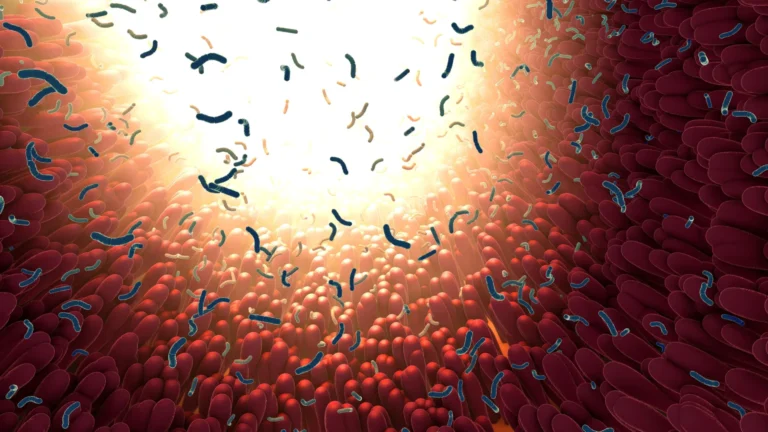
Dr. Aaron Tan, the lead author and a research fellow at NTU, spearheaded the laboratory investigations. Through meticulous analysis, the team discovered that E. faecalis utilizes a process known as extracellular electron transport (EET). Unlike many pathogens that rely on secreting toxins to kill cells, E. faecalis uses EET to continuously generate hydrogen peroxide as a metabolic byproduct.
Phase III: The Mechanism of Cellular Paralysis
The researchers observed that the hydrogen peroxide generated by the bacteria induces severe oxidative stress in nearby keratinocytes—the primary cells responsible for skin regeneration. This oxidative stress triggers the "unfolded protein response" (UPR) in the human cells.
Normally, the UPR is a survival mechanism that allows cells to mitigate stress by pausing protein synthesis. However, in the presence of E. faecalis, this response becomes a liability. The UPR "paralyzes" the keratinocytes, preventing them from migrating into the wound bed. Without this migration, the wound remains open, perpetuating the environment that the bacteria need to survive.
Phase IV: Validation and Reversal
To confirm this pathway was indeed the "switch" for healing, the team engineered a strain of E. faecalis lacking the genes necessary for EET. When this modified bacterium was introduced to the wound model, it failed to produce significant hydrogen peroxide and, crucially, failed to block the migration of skin cells. The wound healed as if no infection were present.
Finally, the team introduced catalase—an antioxidant enzyme—into the environment. The catalase neutralized the bacterial hydrogen peroxide, the cellular stress subsided, and the keratinocytes regained their mobility, effectively resuming the healing process.
Supporting Data: Why Antibiotics Are Failing
The implications of this study are heightened by the rise of antibiotic resistance. E. faecalis is notorious for its resilience, with many strains exhibiting resistance to multiple conventional antibiotics.
Current clinical practice focuses on "killing" the bacteria. However, this approach is becoming increasingly difficult as bacteria evolve, and it often fails to address the underlying cellular damage caused by the bacterial metabolism. By the time a patient receives treatment, the chemical environment of the wound has already been altered by the pathogen, leading to the "chronic" state.
The research team’s findings suggest that the metabolic pathway is, in effect, a "weapon." Because the bacteria are using an indirect method—oxidative stress—to inhibit the body’s own defenses, simply administering antibiotics often leaves the cellular "paralysis" unresolved. This provides a clear, data-backed rationale for shifting the therapeutic focus toward antioxidant-based interventions.
Official Perspectives: Shifting the Paradigm
The researchers behind the study emphasize that this discovery changes the very nature of how we view host-pathogen interactions in wound care.
"Our findings show that the bacteria’s metabolism itself is the weapon, which was a surprise finding previously unknown to scientists," said Associate Professor Guillaume Thibault.
He notes that the shift in strategy is not just academically interesting but practically urgent. "Instead of focusing on killing the bacteria with antibiotics, which is becoming increasingly difficult and leads to future antibiotic resistance, we can now neutralize it by blocking the harmful products it generates and restoring wound healing. We are targeting the cause of the chronic nature of these wounds—the reactive oxygen species—rather than just the source."
By moving the target from the bacteria to the byproduct of the bacteria, the researchers are suggesting a strategy that is less prone to triggering the evolutionary pressures that cause antibiotic resistance. Because the treatment (catalase) does not attempt to kill the bacteria directly, there is theoretically less pressure for the pathogen to develop "resistance" to the treatment itself.
Implications for Future Clinical Care
The transition from the laboratory to the bedside is the next major hurdle, but the researchers are optimistic about the speed of this potential integration.
Antioxidant-Infused Dressings
The most immediate clinical application envisioned by the team is the development of advanced wound dressings. By infusing dressings with catalase or similar antioxidant compounds, clinicians could create a "neutralizing" environment at the site of the wound. This would allow the patient’s natural repair mechanisms to reactivate, effectively "outrunning" the bacterial infection.
Clinical Efficiency
Because catalase is already a well-understood, non-toxic, and widely used enzyme, the regulatory path for clinical trials may be significantly shorter than that of a novel chemical drug. This "repurposing" of biological tools is a hallmark of modern translational medicine.
Next Steps: Animal Models to Human Trials
The team is currently refining the delivery methods for these antioxidants, ensuring they remain stable and effective within the complex environment of a human wound. Ongoing studies in animal models are designed to determine the optimal dosage and frequency of application. Once these parameters are secured, the path will be clear for human clinical trials.
If successful, this strategy could provide a transformative solution for millions of patients. It promises a world where chronic wounds are no longer a life-altering sentence of amputation, but a manageable condition that can be resolved with targeted, metabolic-focused care.
As antibiotic resistance continues to threaten global health, this NTU-led research offers a beacon of hope: by understanding the intricate "metabolic wars" occurring at the microscopic level, we can design smarter, more effective ways to heal the human body.
References:
- [1] Global prevalence studies on diabetic foot ulceration and amputation.
- [2] Singapore Ministry of Health data on chronic wound management and age-related morbidity.
- Study source: "Enterococcus faecalis-derived hydrogen peroxide inhibits wound healing via the unfolded protein response," Science Advances.