











In a significant development for metabolic and cardiovascular medicine, an international team of researchers has identified a potential "dual-action" therapeutic agent that could reshape the treatment landscape for heart disease. The experimental drug, known as IC7Fc, which previously demonstrated efficacy in managing type 2 diabetes, has now been shown to possess potent anti-atherosclerotic properties, effectively lowering cholesterol and curbing arterial inflammation in preclinical models.
The findings, published in the prestigious journal Science Advances, represent a collaborative effort spearheaded by the Leiden University Medical Centre in the Netherlands and the Monash Institute of Pharmaceutical Sciences (MIPS) at Monash University. As cardiovascular disease remains the leading cause of mortality globally, this discovery offers a glimmer of hope for patients who do not respond sufficiently to conventional lipid-lowering therapies.
The Genesis of IC7Fc: From Diabetes to Heart Health
The development of IC7Fc is the culmination of years of rigorous metabolic research. Initially, the scientific community focused on the drug’s potential to address the systemic imbalances associated with type 2 diabetes. By modulating specific metabolic pathways, IC7Fc was designed to improve insulin sensitivity and manage blood glucose levels.
However, researchers led by Professor Mark Febbraio at MIPS hypothesized that the drug’s metabolic benefits might extend beyond glucose regulation. Given that metabolic syndrome—a cluster of conditions including high blood pressure, high blood sugar, excess body fat around the waist, and abnormal cholesterol levels—is a primary driver of heart disease, the team sought to investigate whether IC7Fc could provide broader cardiovascular protection.
Chronology of Discovery
- Early Development: Initial research established IC7Fc as a novel therapeutic candidate for metabolic dysfunction, specifically targeting the inflammatory markers prevalent in type 2 diabetes.
- The Weight-Loss Discovery: Preliminary trials on obese mouse models revealed that the drug significantly reduced appetite and body fat, suggesting it could act as a potent anti-obesity treatment.
- The Cardiovascular Pivot: Building on the hypothesis that metabolic health and heart health are inextricably linked, the research team initiated a longitudinal study on lean, genetically predisposed mouse models to isolate the drug’s effects on cholesterol and arterial health.
- Recent Publication: The publication in Science Advances marks the formal introduction of IC7Fc as a promising candidate for treating atherosclerosis, independent of weight loss.
The Mechanics of Protection: Lowering Cholesterol and Reducing Inflammation
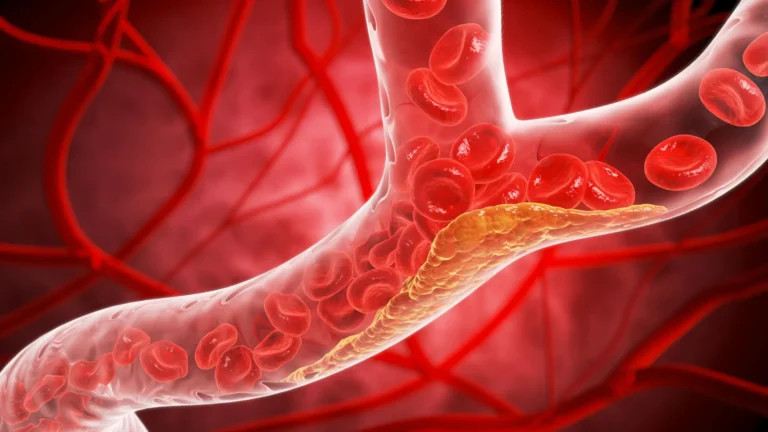
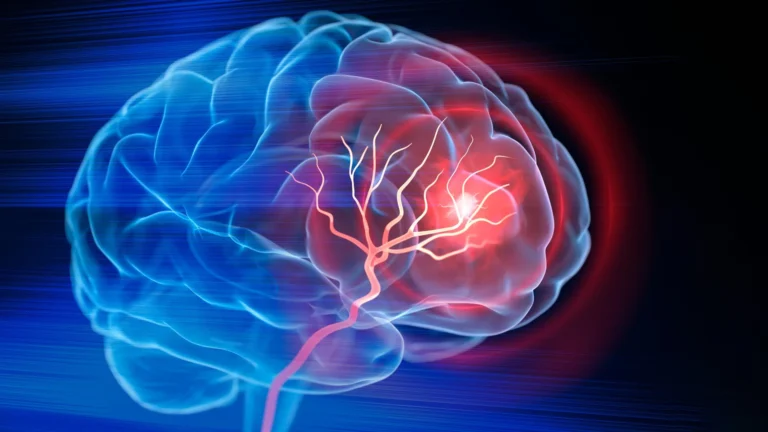
Atherosclerosis—the "clogging" of arteries due to the buildup of fatty plaques—is the fundamental process behind most heart attacks and strokes. When arteries become narrowed and stiff, blood flow is restricted, putting immense strain on the cardiovascular system.
The study revealed that IC7Fc functions through a multi-pronged mechanism. First, it significantly reduces blood triglycerides and cholesterol levels. By modulating the lipid profile, the drug prevents the accumulation of low-density lipoprotein (LDL) cholesterol, the primary "bad" cholesterol responsible for arterial plaque.
Beyond simple lipid reduction, IC7Fc exhibits a secondary, arguably more critical, effect: the mitigation of vascular inflammation. Inflammation is the "fuel" for plaque formation; it makes the arterial walls "sticky," attracting white blood cells that eventually form the hardened, dangerous plaques that can rupture and cause fatal blockages. By quieting this inflammatory response, IC7Fc helps stabilize existing plaques and prevents new ones from forming.
Comparative Analysis: Obese vs. Lean Subjects
One of the most intriguing aspects of this study is the distinction in how IC7Fc interacts with different physiological states. In previous studies involving obese mice, the drug caused a marked reduction in body weight and food intake, positioning it as a potential weight-loss medication.
However, in the recent study, researchers used lean mice that were genetically prone to high cholesterol and arterial disease. In these subjects, the drug did not alter body weight or appetite. This is a crucial finding for clinical development: it suggests that the cardiovascular benefits of IC7Fc are not merely a byproduct of weight loss.
For clinicians, this implies that IC7Fc could be prescribed to patients who are not obese but suffer from high cholesterol and heart disease, broadening the drug’s therapeutic potential. It suggests that the drug targets the molecular pathways of lipid metabolism and arterial integrity directly, rather than relying on the secondary effects of reduced caloric intake.
Official Responses and Expert Perspectives
Professor Mark Febbraio, who has been at the forefront of the IC7Fc development process, emphasized the significance of these findings during a recent press briefing.
"Our earlier studies showed IC7Fc could help manage type 2 diabetes, a metabolic disease," Professor Febbraio noted. "This new research shows it can also reduce atherosclerosis, meaning it slows the ‘clogging’ of the arteries, where fatty deposits build up and restrict blood flow to the heart."
Professor Febbraio also addressed the current limitations of modern medicine. "Heart disease remains the world’s biggest killer, driven largely by atherosclerosis. Even with common treatments that lower blood pressure and cholesterol, many people are still at risk, showing there’s more work to do."
The international team remains cautiously optimistic. While the preclinical results are highly encouraging, they stress that mouse models are only the first step in a long regulatory process. The next phase involves determining the safety profile of the drug in humans and identifying the optimal dosage to achieve these cardiovascular benefits without adverse side effects.
Implications for Global Public Health
The potential for a "dual-action" treatment is perhaps the most exciting implication of the IC7Fc study. Currently, patients with metabolic syndrome often have to take a cocktail of drugs: one for diabetes, one for cholesterol (statins), and often another for blood pressure.
If IC7Fc can address both metabolic dysfunction (diabetes) and cardiovascular health (atherosclerosis) simultaneously, it could simplify treatment regimens, improve patient compliance, and potentially reduce the burden on healthcare systems.
Addressing the Treatment Gap
Despite the widespread use of statins, many patients still suffer "residual risk"—a phenomenon where, despite achieving target cholesterol levels, they continue to experience heart events. This suggests that lipid levels alone do not tell the whole story. By targeting the inflammatory components of atherosclerosis alongside lipid profiles, IC7Fc addresses this residual risk, offering a more comprehensive approach to heart disease prevention.
Future Clinical Trials
The roadmap for IC7Fc now points toward clinical trials. Researchers will need to demonstrate that the drug is not only safe for long-term use in humans but also that it performs effectively in a human metabolism, which is significantly more complex than that of a mouse. If successful, IC7Fc could become a cornerstone therapy for patients at high risk for heart disease, particularly those who have struggled to manage their condition with existing therapies.
Conclusion: A New Frontier in Cardiovascular Care
The research conducted by the team at Leiden and Monash provides a sophisticated look at how we might treat the interconnected crises of metabolic and heart disease. By isolating the anti-atherosclerotic effects of IC7Fc from its weight-loss properties, the study has unveiled a versatile molecule that could be the key to preventing the leading cause of death worldwide.
As the scientific community watches the progression of this drug from the lab to clinical trials, the focus will remain on whether IC7Fc can truly live up to its potential as a dual-action savior. For now, the study serves as a profound reminder that by looking at the body as an integrated system—where metabolic health and heart health are one and the same—we can discover more effective, life-saving interventions for the future of medicine.
"These results suggest IC7Fc could offer a dual benefit," concluded Professor Febbraio. "It’s an exciting step towards a treatment that targets both metabolic and cardiovascular disease." As the world continues to battle the rising tide of cardiovascular conditions, innovations like IC7Fc represent the cutting edge of what is possible in modern pharmacology.