








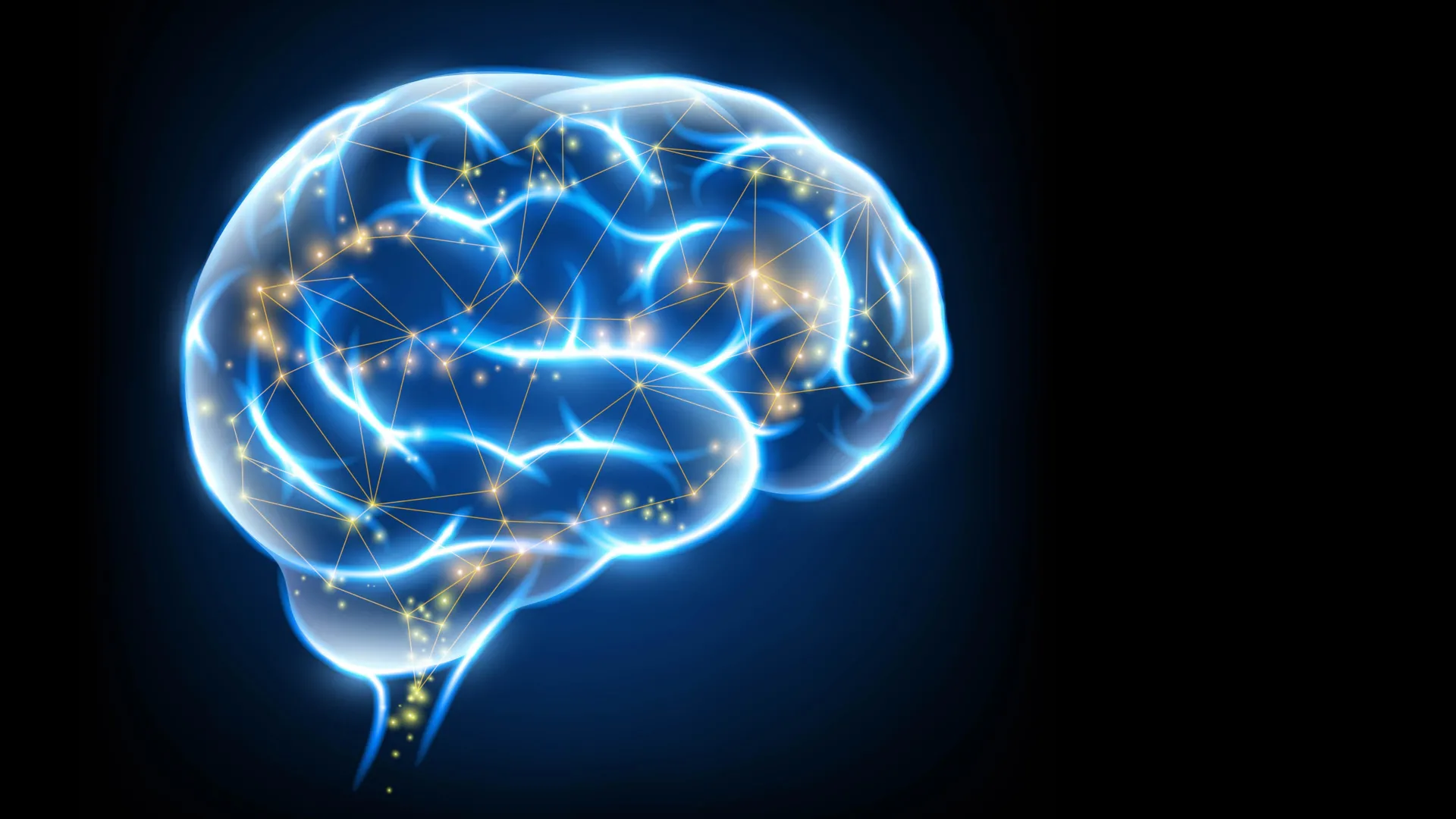
Neurodegenerative diseases—most notably Alzheimer’s, Parkinson’s, and Huntington’s—represent some of the most daunting challenges in modern medicine. These conditions are characterized by the progressive, inexorable death of neurons, the specialized cells responsible for transmitting electrochemical signals throughout the central nervous system. As these cellular networks unravel, patients experience profound memory loss, cognitive deterioration, and motor dysfunction, eventually reaching a stage where 24-hour care becomes a necessity.
While current medical interventions have made strides in managing symptoms, and new monoclonal antibody therapies like lecanemab and donanemab have demonstrated an ability to slow cognitive decline in early-stage Alzheimer’s patients, a critical therapeutic "holy grail" remains elusive: the ability to restore lost memories or physically rebuild damaged brain tissue.
A research team from the Shibaura Institute of Technology (SIT) in Japan has recently published a groundbreaking study in ACS Chemical Neuroscience that may shift the paradigm from palliative care to true regeneration. By synthesizing novel vitamin K analogues, the researchers have discovered a potential pathway to stimulate the brain’s own machinery to replace lost neurons.
The Evolution of Vitamin K: From Clotting to Cognition
Vitamin K has long been a staple in nutritional science, primarily recognized for its vital role in blood coagulation and the maintenance of bone mineral density. However, over the past decade, a growing body of evidence has linked this fat-soluble vitamin to more complex biological roles, specifically regarding neuroprotection and neuronal differentiation—the sophisticated biological process by which immature neural progenitor cells (NPCs) mature into functional, signaling neurons.
Natural vitamin K exists in several forms, with menaquinone-4 (MK-4) being the most active within the human body. While MK-4 has shown neuroprotective potential, researchers have long suspected that its natural potency is insufficient to serve as a standalone clinical treatment for severe neurodegeneration. To bridge this gap, Associate Professor Yoshihisa Hirota and Professor Yoshitomo Suhara of SIT’s Department of Bioscience and Engineering set out to engineer a "supercharged" version of the vitamin.
Chronology of the Research
- Initial Discovery: Researchers identified the natural role of MK-4 in neuronal differentiation, establishing the baseline for potential brain repair.
- Molecular Engineering (2023–2024): The SIT team began synthesizing 12 distinct hybrid vitamin K homologs, experimenting with chemical modifications to enhance bioavailability and potency.
- Cellular Validation (Early 2025): The team tested these compounds against mouse neural progenitor cells, monitoring the expression of Map2, a protein marker for neuronal growth.
- Publication (July 3, 2025): The study was officially released in ACS Chemical Neuroscience, detailing the successful synthesis of the "Novel VK" analogue.
- Future Trajectory: The team is now looking toward pharmacokinetic optimization and future clinical translation pathways.
Engineering a Stronger Compound: The "Novel VK" Breakthrough
To create a more potent therapeutic agent, the SIT researchers utilized a hybrid strategy. They synthesized 12 unique homologs by linking vitamin K structures with retinoic acid—an active metabolite of vitamin A known for its potent ability to induce neuronal differentiation. By incorporating carboxylic acid moieties and methyl ester side chains, the team sought to enhance the biological activity of these molecules.
The challenge was significant: vitamin K and retinoic acid operate via different cellular pathways. Vitamin K acts through the steroid and xenobiotic receptor (SXR), while retinoic acid operates through the retinoic acid receptor (RAR). Through careful molecular design, the team successfully created hybrid molecules that retained the biological activity of both pathways.
The Standout Performer
One specific compound—which the researchers dubbed "Novel VK"—emerged as the frontrunner. It featured a retinoic acid structure fused with a methyl ester side chain. In laboratory tests, this compound demonstrated:
- Threefold higher potency in inducing neuronal differentiation compared to natural vitamin K.
- Superior binding affinity to the target receptors in the brain.
- Enhanced conversion rates into bioactive MK-4 once inside the cell.
Deciphering the Biological Mechanism: The Role of mGluR1
A pivotal aspect of the study involved uncovering how vitamin K actually triggers neuronal growth. Through comparative gene expression analysis in neural stem cells, the research team identified the involvement of metabotropic glutamate receptors (mGluRs), specifically mGluR1.
This discovery is significant because mGluR1 is intrinsically linked to synaptic transmission—the very communication network that fails during the progression of diseases like Parkinson’s and Alzheimer’s. In mouse models, the absence of mGluR1 leads to severe motor and synaptic deficits, mirroring the clinical symptoms of neurodegenerative decline. By proving that vitamin K-based compounds interact directly with the mGluR1 pathway, the researchers have effectively identified a "switch" that, if toggled correctly, could potentially restart the growth of healthy neural tissue.
Crossing the Blood-Brain Barrier
A common hurdle in neuropharmacology is the blood-brain barrier (BBB), a highly selective semipermeable border that prevents many drugs from entering the brain. In their experiments, the SIT team used structural simulations and molecular docking studies to verify that Novel VK could not only penetrate the BBB but also maintain a stable pharmacokinetic profile once inside. This confirmed that the compound could reach the brain in concentrations high enough to be therapeutically relevant.
Official Responses and Expert Perspective
The implications of this research are being watched closely by the scientific community. Dr. Yoshihisa Hirota, the lead researcher, emphasizes that this represents a fundamental shift in how we treat the aging brain.
"Our research offers a potentially groundbreaking approach to treating neurodegenerative diseases," says Dr. Hirota. "A vitamin K-derived drug that slows the progression of Alzheimer’s disease or improves its symptoms could not only improve the quality of life for patients and their families but also significantly reduce the growing societal burden of healthcare expenditures and long-term caregiving."
Professor Yoshitomo Suhara, a specialist in medicinal chemistry, adds that the project highlights the value of "small molecule" drug discovery. By focusing on fat-soluble vitamins, the team has leveraged compounds that the human body already recognizes, potentially reducing the risk of immune rejection or toxicity compared to more invasive biological therapies.
Broader Implications: A New Era of Regenerative Neurology
The current standard of care—FDA-approved anti-amyloid therapies—represents a major achievement in targeting the biology of early-stage Alzheimer’s. However, these drugs are not cures; they do not replace the millions of neurons already lost to the disease. The work conducted at the Shibaura Institute of Technology addresses a different, more ambitious challenge: replacement.
If these findings can be successfully translated from mice to humans, the therapeutic potential is vast:
- Delaying Progression: By promoting neurogenesis, the brain may develop a higher reserve of neurons, effectively delaying the onset of cognitive symptoms.
- Symptomatic Reversal: If new neurons can be integrated into existing circuits, it may be possible to restore lost functions, such as memory retrieval or motor control.
- Economic Impact: As the global population ages, the cost of managing dementia is projected to reach trillions of dollars. A regenerative, vitamin-based therapy could be significantly more cost-effective and accessible than current high-cost antibody infusions.
A Note of Caution
While the data is promising, the researchers are quick to emphasize the long road ahead. The current results are based on cell studies and mouse models. Clinical trials—the rigorous process of proving safety and efficacy in humans—are the next necessary, yet lengthy, hurdle. No vitamin K-derived drug has yet been proven to repair the human brain in a clinical setting. Nevertheless, by identifying the mGluR1 pathway as a target, the SIT team has provided the pharmaceutical industry with a clear, actionable roadmap for future drug development.
About the Research Team
Associate Professor Yoshihisa Hirota (SIT): Dr. Hirota’s career is dedicated to the intersection of medicinal science and nutritional biochemistry. With 56 published papers, his work aims to maximize human "healthspan" by understanding how fat-soluble vitamins and nucleic acids modulate biological aging. His international experience, including a tenure as a Visiting Scholar at the University of Cincinnati, has brought a global perspective to his work at SIT.
Professor Yoshitomo Suhara (SIT): With over 100 peer-reviewed publications and a deep portfolio of patents, Dr. Suhara is a veteran of medicinal chemistry. His expertise lies in transforming natural, bioactive molecules into precise therapeutic agents. His multidisciplinary approach spans from neurogenic compounds to anti-cancer agents, marking him as a leader in the development of next-generation small-molecule drugs.
Funding and Support
This research was made possible through a diverse network of support, including the Mishima Kaiun Memorial Foundation, the Suzuken Memorial Foundation, the KOS Cosmetology Research Foundation, and the Japan Society for the Promotion of Science (JSPS). This collaborative financial backing underscores the high level of confidence the scientific community holds in the potential for vitamin K-based regenerative medicine to reshape the future of neurology.