






In the complex landscape of post-acute care, the silent thief of recovery is often found in the bedroom—or, more specifically, in the interrupted, oxygen-deprived sleep of patients recovering from severe neurological events. Recognizing that sleep quality is not merely a comfort issue but a critical physiological pillar of neuroplasticity, Burke Rehabilitation has secured a $75,000 grant from the Resmed Foundation. This funding is set to launch a pioneering clinical research project designed to bridge the gap between sleep medicine and inpatient rehabilitation for patients suffering from acquired brain disorders.
The Nexus of Sleep Apnea and Neurological Recovery
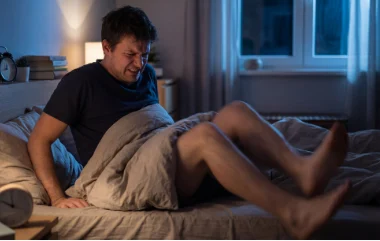
For patients recovering from strokes, traumatic brain injuries (TBI), or other acquired brain disorders, the road to independence is strenuous. While clinicians have long focused on physical, occupational, and speech therapies, the impact of obstructive sleep apnea (OSA)—a condition where breathing repeatedly stops and starts during sleep—has historically been an overlooked variable in the recovery equation.
OSA deprives the brain of essential oxygen and prevents the restorative stages of sleep necessary for cognitive and physical repair. By integrating sleep health screenings into the standard intake process, Burke Rehabilitation is positioning itself at the vanguard of a "whole-person" approach to medicine. The project aims to quantify the prevalence of OSA among brain injury patients and determine how aggressive management of this condition can alter the trajectory of patient outcomes.
A Two-Tiered Diagnostic Framework
The research team at Burke has designed a rigorous methodology to ensure both clinical accuracy and practical feasibility in a busy inpatient setting. The study utilizes a two-step diagnostic pipeline:
- The Screening Phase: All eligible patients will first be evaluated using the STOP-BANG questionnaire. This validated screening tool assesses eight parameters—Snoring, Tiredness, Observed apnea, high blood Pressure, Body mass index, Age, Neck circumference, and Gender—to categorize patients based on their risk level for OSA.
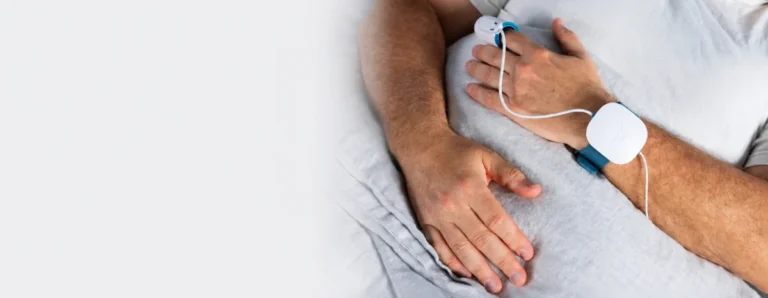
- The Diagnostic Phase: Patients identified as high-risk will then be equipped with the ZOLL Itamar WatchPAT, a sophisticated home sleep testing device. Unlike traditional polysomnography, which requires an overnight stay in a sleep lab—an environment that is often disruptive and impractical for inpatient rehabilitation patients—the WatchPAT offers a non-invasive, wearable solution that gathers data in the patient’s own room.
Following diagnosis, the project includes a comprehensive care pathway that transitions patients from inpatient CPAP (continuous positive airway pressure) therapy to continued sleep medicine follow-ups after discharge, ensuring continuity of care.
Chronology and Scope of the Initiative
The project is ambitious in both scale and timeline. Scheduled to run from May 1, 2026, through December 31, 2028, the study will capture data from a diverse cohort of adults aged 18 to 90.
- Pre-Launch (Current – May 2026): The team is currently finalizing clinical protocols, securing IRB approvals, and training staff on the use of the WatchPAT technology.
- The Enrollment Phase (May 2026 – Dec 2028): Over this 31-month window, the facility aims to screen a significant portion of its acquired brain disorder patient population.
- Data Analysis & Dissemination (Post-2028): Once the data collection concludes, the research team will analyze the correlations between OSA treatment and key clinical metrics, including functional recovery scores, the length of hospital stay, and the rate of hospital readmission.
Supporting Data and Hypotheses
The research team’s hypothesis is rooted in existing clinical observations. They estimate that at least 40% of individuals admitted to Burke with acquired brain disorders will screen positive for OSA via the STOP-BANG instrument. Furthermore, they anticipate that among those high-risk individuals, at least 40% will receive a formal diagnosis of OSA through the WatchPAT testing.
The implications of these numbers are significant. If nearly half of the brain-injured population is suffering from undiagnosed sleep apnea, the potential for improvement through simple, non-invasive intervention is massive. The study will track several "Meaningful Functional Outcomes" (MFOs), including:
- Functional Independence Measure (FIM) scores: Assessing the patient’s ability to perform daily tasks.
- Rehabilitation Participation: Measuring the patient’s alertness and stamina during physical and occupational therapy sessions.
- Length of Stay: Determining if treated patients reach discharge criteria faster.
- Readmission Rates: Tracking whether better sleep hygiene leads to more durable recovery post-discharge.
Official Responses: A Commitment to Innovation
The leadership at Burke Rehabilitation views this grant not as a standalone study, but as a fundamental shift in how they define "rehabilitative care."
"Obstructive sleep apnea is a modifiable risk factor that can significantly affect neurological recovery and overall health after brain disorders," says Mooyeon Oh-Park, MD, MHCM, chief physician of research and innovation at Burke. "By identifying sleep apnea earlier and understanding its role in recovery, we aim to advance more personalized, integrated care plans and shape the future of rehabilitative medicine for medically complex patients."
The sentiment is echoed by Scott Edelman, MBA, CPA, CFE, executive director at Burke Rehabilitation, who emphasizes the facility’s culture of research-driven practice. "At Burke, cutting-edge research and innovation are embedded in the clinical care we deliver every day," Edelman states. "This work underscores our commitment to advancing evidence-based care and ensuring it is fully integrated into practice. By driving innovation in physical medicine and rehabilitation, we are improving patient outcomes and setting the standard of excellence for rehabilitative care nationwide."
The Multidisciplinary Team
The success of such an expansive project relies on a diverse team of experts. Burke has assembled a cross-functional group to lead this initiative:
- Principal Investigators: Dr. Mooyeon Oh-Park, Dr. Andrew Abdou, and Dr. Erika Trovato (who also serves as the program director of the brain injury medicine fellowship).
- Clinical and Compliance Leadership: Josette Hartnett (senior manager of clinical research compliance) and Karen McCoy (director of respiratory therapy).
- External Partners: The collaboration extends to the Montefiore Health System, incorporating the expertise of Dr. Alok Bhatt and Dr. Jose Davis from the Department of Pulmonary and Sleep Medicine.
Implications for the Future of Rehabilitative Medicine
The implications of the Burke/Resmed collaboration extend far beyond the walls of the rehabilitation facility. If the study proves that treating OSA leads to accelerated functional recovery, it could necessitate a nationwide change in the standard of care for inpatient rehabilitation.
Currently, many rehabilitation centers focus on the "awake" hours of a patient’s day. This study challenges that paradigm, suggesting that the "sleeping" hours are just as vital to the rehabilitation process. If the research confirms that OSA is a major barrier to neurological recovery, the integration of sleep diagnostics will likely become a mandatory component of inpatient care, similar to how blood pressure or blood sugar monitoring is handled today.
Furthermore, by utilizing home sleep testing technology like the WatchPAT, the study demonstrates that high-level diagnostics can be integrated into existing workflows without requiring expensive, space-consuming lab infrastructure. This makes the model highly scalable for other rehabilitation hospitals, community clinics, and long-term acute care facilities.
As the medical community continues to embrace precision medicine, the focus on modifiable risk factors like sleep apnea represents a shift toward more proactive, data-informed care. By the time the study concludes in 2028, the results could fundamentally alter the recovery protocols for thousands of brain injury survivors, proving that sometimes, the most effective tool in the rehabilitative arsenal isn’t a piece of gym equipment—it’s a good night’s sleep.