








As the legislative landscape surrounding marijuana continues to shift across the globe, a pervasive cultural narrative has emerged: that cannabis is an inherently safe, natural substance. However, as public access expands, medical researchers are sounding a note of caution. While the decades-long battle against tobacco has yielded definitive proof of its carcinogenic nature, the scientific community is still working to decode the complex relationship between marijuana consumption and cancer risk.
According to Dr. Brooks Udelsman, a thoracic surgeon with USC Surgery at Keck Medicine of USC, the picture remains "far less clear" than many consumers assume. While the legalization wave has brought economic and social changes, it has also created a critical need for rigorous medical inquiry into what happens to the human body when cannabis smoke is inhaled over prolonged periods.
The Emerging Evidence: A Closer Look at the Data
The investigation into marijuana’s link to cancer is gaining momentum, fueled by growing patient cohorts and longitudinal data. A pivotal study led by Dr. Niels Kokot, an otolaryngologist at the USC Caruso Department of Otolaryngology — Head and Neck Surgery, has provided some of the most compelling evidence to date.
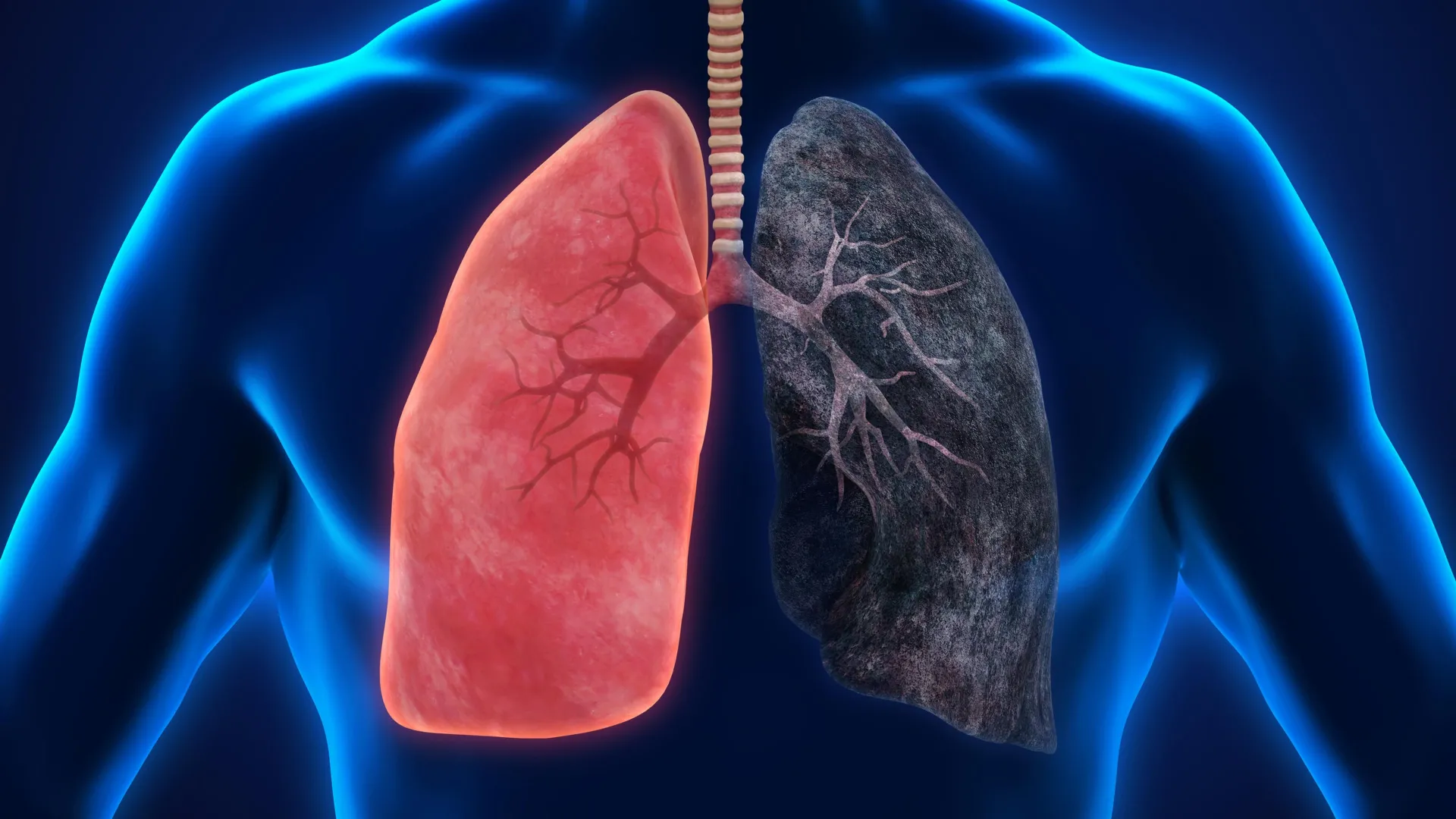
The research suggests a worrying correlation: individuals who consume large amounts of marijuana appear to face an elevated risk of both small cell lung cancer and non-small cell lung cancer. Perhaps even more alarming is the finding that daily marijuana users are 3.5 to 5 times more likely to develop head and neck cancers compared to non-users. These malignancies include cancers of the mouth, pharynx, larynx, and the oropharynx—which encompasses the tongue, tonsils, and the back wall of the throat—as well as the nearby salivary glands.
The Complexity of Dose-Response Relationships
One of the most pressing questions for public health officials is: "How much is too much?" Currently, researchers admit to a significant gap in their understanding regarding the "dose relationship."
"What we don’t know right now is the dose relationship," Dr. Udelsman explains. "If someone smokes marijuana occasionally—once a week, once a month, or a few times a year—do they still have that same risk? My suspicion is that there is probably minimal risk. All we know right now is that people who smoke a lot of marijuana—to the point that they develop a dependency on it or require hospital care or evaluation for it—do appear to have a higher cancer risk."
The concern is not limited to the lungs and throat. Scientists are currently exploring potential links between heavy marijuana use and other systemic malignancies, such as bladder and gastrointestinal cancers. Dr. Udelsman notes that because tobacco smoking has a well-documented link to an increased prevalence of bladder cancer, the biological plausibility of a similar mechanism in marijuana users warrants urgent investigation.
Understanding the Biological Mechanism: Why Smoke Matters
To understand why marijuana smoke might be carcinogenic, one must look at the fundamental principles of cellular biology. Dr. Udelsman emphasizes that any substance capable of causing long-lasting, chronic inflammation acts as a precursor to malignant transformation.
Tobacco smoke is famously toxic, containing over 7,000 chemicals, approximately 70 of which are established carcinogens. While the chemical profile of marijuana differs, it shares a dangerous commonality: the production of combustion byproducts.
The Role of THC and PAHs
A primary concern is the interaction between THC (tetrahydrocannabinol) and the combustion process. Research suggests that THC is associated with the conversion of polycyclic aromatic hydrocarbons (PAHs). These compounds are well-known to trigger inflammatory responses and, more critically, cause direct damage to human DNA.
"Anytime inflammation and changes to DNA occur, you’re at risk for developing cancer," Dr. Udelsman states. When the cellular machinery responsible for DNA repair is overwhelmed by constant exposure to these toxic byproducts, the risk of mutations leading to uncontrolled cell growth increases exponentially.
Alternative Consumption: Are Edibles and Vaping Safer?
As the debate over smoking intensifies, many consumers have turned to alternative methods of ingestion, such as edibles and vaping, hoping to circumvent the risks associated with inhalation.
The Case for Edibles
Current evidence offers a sliver of optimism for those who avoid smoke. Because edibles bypass the respiratory system entirely, there is currently no data suggesting they increase the risk of lung cancer. However, doctors remain cautious. "The risk is harder to track because there isn’t a lot of data on it yet, but as of now, there does not seem to be a relationship between edibles and lung cancer," Dr. Udelsman notes. He adds a vital caveat: "We don’t yet know if there is a link to other types of cancers, however."
The Vaping Uncertainty
Vaping represents a modern medical conundrum. When electronic cigarettes first hit the market, they were often marketed as a "safer" alternative to tobacco. Today, the medical community is witnessing a surge in severe, albeit non-cancerous, inflammatory lung diseases linked to vaping.
Because widespread vaping has only been common for roughly 15 years, there is insufficient longitudinal data to determine its impact on cancer development. Dr. Udelsman expresses skepticism regarding the "safety" of any inhaled substance. "I’d worry about anything you’re breathing into your lungs because it infiltrates the cells and air sacs in your lungs, which can cause damage and put you at a higher risk for cancer."
Implications for Public Health and Secondhand Exposure
The conversation extends beyond the user to those in their immediate vicinity. While there is not yet enough evidence to definitively confirm that secondhand marijuana smoke increases lung cancer risk, the potential for harm remains a serious consideration. Bystanders may inhale the same inflammatory particles that researchers believe contribute to the initiation of cancer, suggesting that public policies regarding smoke-free environments should eventually encompass all forms of combusted substances.
Categorizing the Risk: Small Cell vs. Non-Small Cell
When discussing lung cancer, the medical community distinguishes between small cell and non-small cell varieties. Small cell lung cancer is historically linked to intense inhalational injury—primarily tobacco smoking—and is rarely seen in nonsmokers. The emerging link between this aggressive cancer type and heavy marijuana use is a significant red flag for oncologists. Similarly, non-small cell lung cancer is being observed with increased frequency in individuals who smoke both tobacco and marijuana, suggesting a cumulative, additive effect of respiratory irritation.
Moving Forward: Balancing Reality and Alarmism
Despite the sobering data, experts like Dr. Udelsman caution against overreaction. There is currently no evidence to suggest that moderate, recreational marijuana use will trigger a widespread lung cancer epidemic. The human body is remarkably resilient and capable of recovering from the temporary, mild inflammation caused by occasional use.
The primary concern is clearly directed toward the chronic, heavy user—those who rely on marijuana multiple times daily. In these cases, the risk profile begins to mirror that of heavy tobacco smokers, where the cumulative injury to the lungs creates a fertile environment for malignant growth.
A Call for Clinical Transparency
For the millions of people who use marijuana, the most important takeaway is the need for honesty with healthcare providers. Patients who consume marijuana regularly should disclose this to their doctors, not out of fear of judgment, but to allow for an accurate assessment of their personal cancer risk.
As the medical community continues to investigate these links, the gap between the "safe" perception of marijuana and the clinical reality is beginning to close. By prioritizing long-term research and encouraging open communication between patients and physicians, we can ensure that as marijuana becomes more accessible, public health remains the primary focus. For now, the verdict is clear: moderation is the best policy, and for those who use heavily, informed vigilance is the only way to mitigate the risk of a life-altering diagnosis.