







For 55-year-old Edward (Ed) Waldner, the onset of his illness was as insidious as it was confusing. For months, he grappled with an unrelenting exhaustion that no amount of rest could abate. His daily life became a struggle against a heavy, pervasive fatigue that left him drained, regardless of his activity levels. Initially, he suspected something common, perhaps sleep apnea. However, the physical manifestations soon shifted from systemic fatigue to neurological anomalies. He began noticing subtle, involuntary changes in his gait—a dragging sensation in his heels that signaled something was fundamentally wrong with the complex communication between his brain and his body.
The uncertainty ended abruptly when his symptoms reached a critical threshold, prompting an emergency room visit that would alter the trajectory of his life. The diagnosis was swift and devastating: a mass on the brain. Subsequent testing confirmed it was glioblastoma, an aggressive and notoriously treatment-resistant form of brain cancer. Today, however, Waldner finds himself at the center of a pioneering medical effort at the University of Calgary, where researchers are investigating whether a simple, common vitamin—niacin (vitamin B3)—might be the key to turning the tide against one of the most lethal malignancies in oncology.
The Chronology of a Medical Mystery
The journey from Waldner’s initial symptoms to his enrollment in a cutting-edge clinical trial mirrors the typical, often harrowing experience of glioblastoma patients. When Waldner was first told by his physician that he required an oncologist, he was thrust into a world of standard protocols that have changed little in two decades. The conventional approach to glioblastoma is a "triad of aggression": surgical resection to debulk the tumor, followed by intensive radiation therapy and chemotherapy.
While these treatments are the gold standard, they are rarely curative. The infiltrative nature of glioblastoma cells means that recurrence is not merely a possibility; it is a statistical probability. "When I left the hospital after surgery, I was told, ‘that’s it, that’s all we can do,’" Waldner recalls. For many, that finality is the darkest part of the diagnosis. However, his participation in the University of Calgary study has provided more than just a clinical protocol; it has provided a sense of agency. "I have no problem trying to help anybody. I agreed. I want to help myself, too," he says. "I can tell you, being part of this research helps me mentally because we’re trying."
The Science of Reawakening: The Role of Niacin
The research program is a collaborative effort led by two prominent figures at the University of Calgary’s Hotchkiss Brain Institute and the Arnie Charbonneau Cancer Institute: Dr. Gloria Roldan Urgoiti, a clinical oncologist, and Dr. Wee Yong, a neuroscientist specializing in neuroimmunology.
Their hypothesis is rooted in the way glioblastoma interacts with the body’s internal defense system. "Normally, the immune system will try to counter and prevent tumor growth," explains Dr. Yong, a professor at the Cumming School of Medicine (CSM). "However, this brain cancer effectively suppresses the immune system."
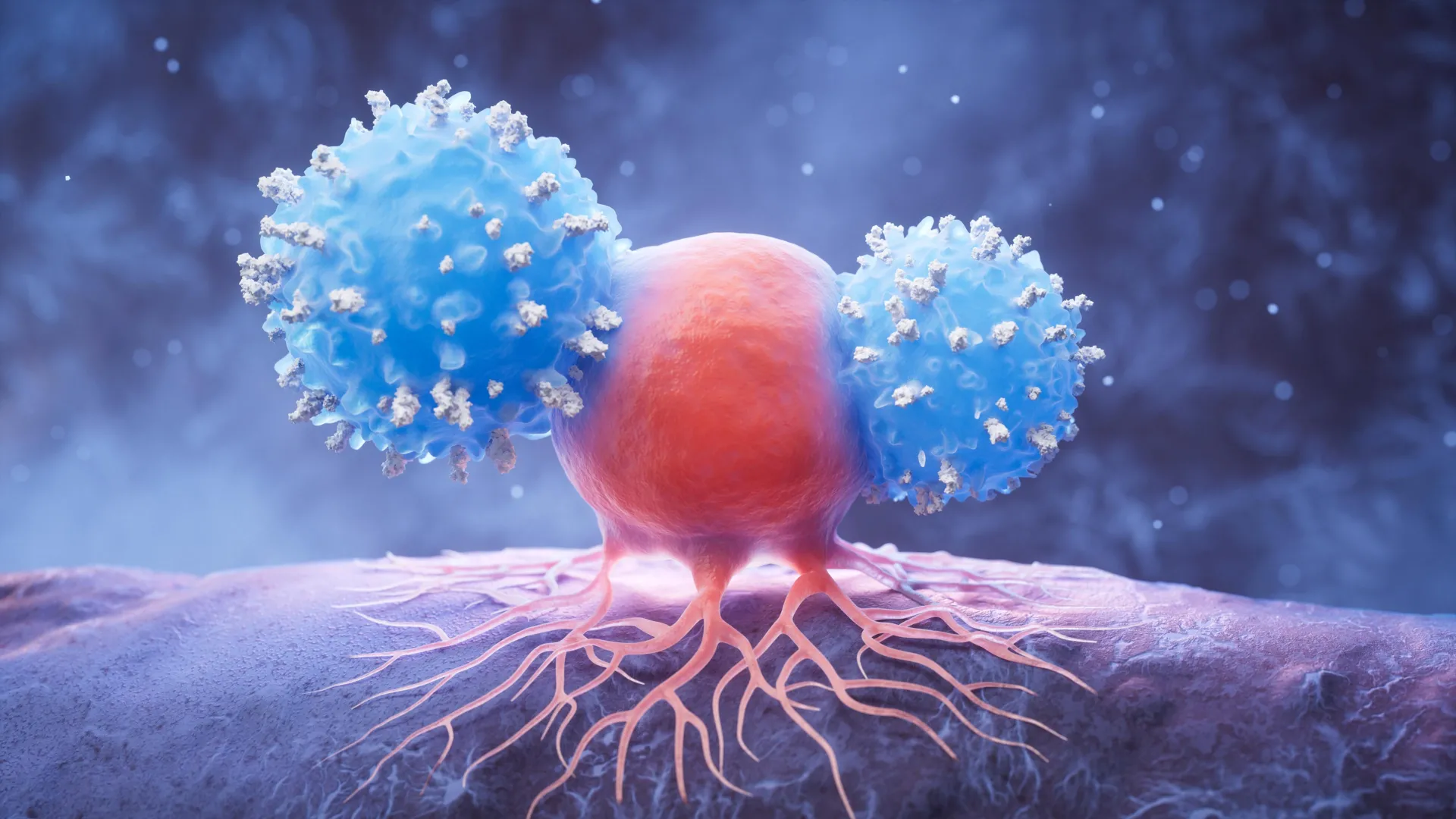
The team discovered that the cancer creates an immunosuppressive environment that effectively "blinds" the immune cells to the tumor’s presence. Their research indicates that niacin, when administered in controlled, high doses, acts as a biological catalyst. It rejuvenates these weakened immune cells, restoring their ability to recognize, infiltrate, and destroy cancerous tissue. Dr. Yong characterizes this biological intervention as an ongoing "battle for the brain," where the vitamin serves as the reinforcement the immune system desperately needs to regain the upper hand.
The transition from theory to trial was rigorous. The team first validated the mechanism in laboratory models, where they observed that mice treated with niacin showed significantly extended survival rates. These promising preclinical results provided the necessary foundation to launch a Phase I/II clinical trial in human subjects, carefully designed to test both safety and efficacy.
Supporting Data: Exceeding the Benchmark
In the world of clinical oncology, benchmarks are the primary gatekeepers of progress. Before the University of Calgary trial began, the researchers established a clear threshold: if the progression-free survival (PFS) rate at six months did not improve by at least 20 percent compared to historical standards, the trial would be deemed unsuccessful and discontinued.
The results, published in the Journal of Neuro-Oncology, have provided a much-needed glimmer of optimism. Out of the initial 24 patients enrolled in the study, the data showed that 82 percent had no signs of disease progression at the six-month mark. When compared to previous longitudinal studies of glioblastoma patients, this represents a 28 percent improvement—a significant margin that comfortably surpassed the researchers’ ambitious benchmark.
While the team remains cautious, these early findings suggest that the addition of niacin to the standard chemotherapy and radiotherapy regimen may hold the potential to disrupt the aggressive nature of the disease. It is a rare moment of movement in a field that has seen very little advancement in survival statistics over the past 20 years.
Official Responses and Clinical Implications
The implications of this study are profound, yet the researchers are quick to temper expectations with necessary scientific caution. Dr. Roldan Urgoiti, a clinical associate professor at the CSM, notes the gravity of the condition. "Glioblastoma is the most aggressive brain cancer in adults. Survival of patients with this condition hasn’t changed significantly for 20 years," she states.
She emphasizes that while the results are encouraging, they underscore the need for strict adherence to medical protocols. "Anything that may help should be explored, but it requires strict protocols and safety monitoring."
A critical component of this warning involves the nature of the treatment itself. Because niacin is a vitamin, there is a common misconception that "more is better" or that it can be safely self-administered. The researchers explicitly warn that high doses of niacin—doses that reach therapeutic levels for cancer treatment—can be toxic. Without the rigorous supervision of a medical team and the careful monitoring of liver function and other physiological markers, such high doses could cause significant harm. This is not a dietary supplement regimen, but a complex pharmacological intervention that requires a hospital setting.
Looking Toward the Future
The research remains ongoing, with a clear roadmap for the next few years. The team plans to continue enrolling participants until they reach a cohort of 48 patients. They anticipate completing the final, comprehensive analysis of the data by the end of 2026 or early 2027. This larger data set will be vital in determining whether the initial success observed in the first 24 patients can be replicated across a broader, more diverse group of individuals.
Funding for this critical investigation has been provided by the Canadian Institutes of Health Research and the Alberta Cancer Foundation, highlighting the importance of public and philanthropic support in tackling "orphan" diseases or those with historically poor outcomes.
For Ed Waldner, the data points and clinical milestones are secondary to the reality of his daily life. During his regular follow-up scans, he waits for the words from his oncology team that have become his anchor: "stable." It is a simple word, but in the context of glioblastoma, it is a triumph. He remains a living participant in a process that he hopes will one day provide a roadmap for others facing the same diagnosis.
As the study moves forward, the medical community will be watching closely. If the results continue to hold, the humble vitamin B3 could evolve into a standard, accessible, and potent weapon in the global effort to reclaim the human brain from one of its most formidable enemies. The battle is far from over, but for the first time in many years, the field of neuro-oncology has a reason to look forward with renewed, evidence-based hope.