








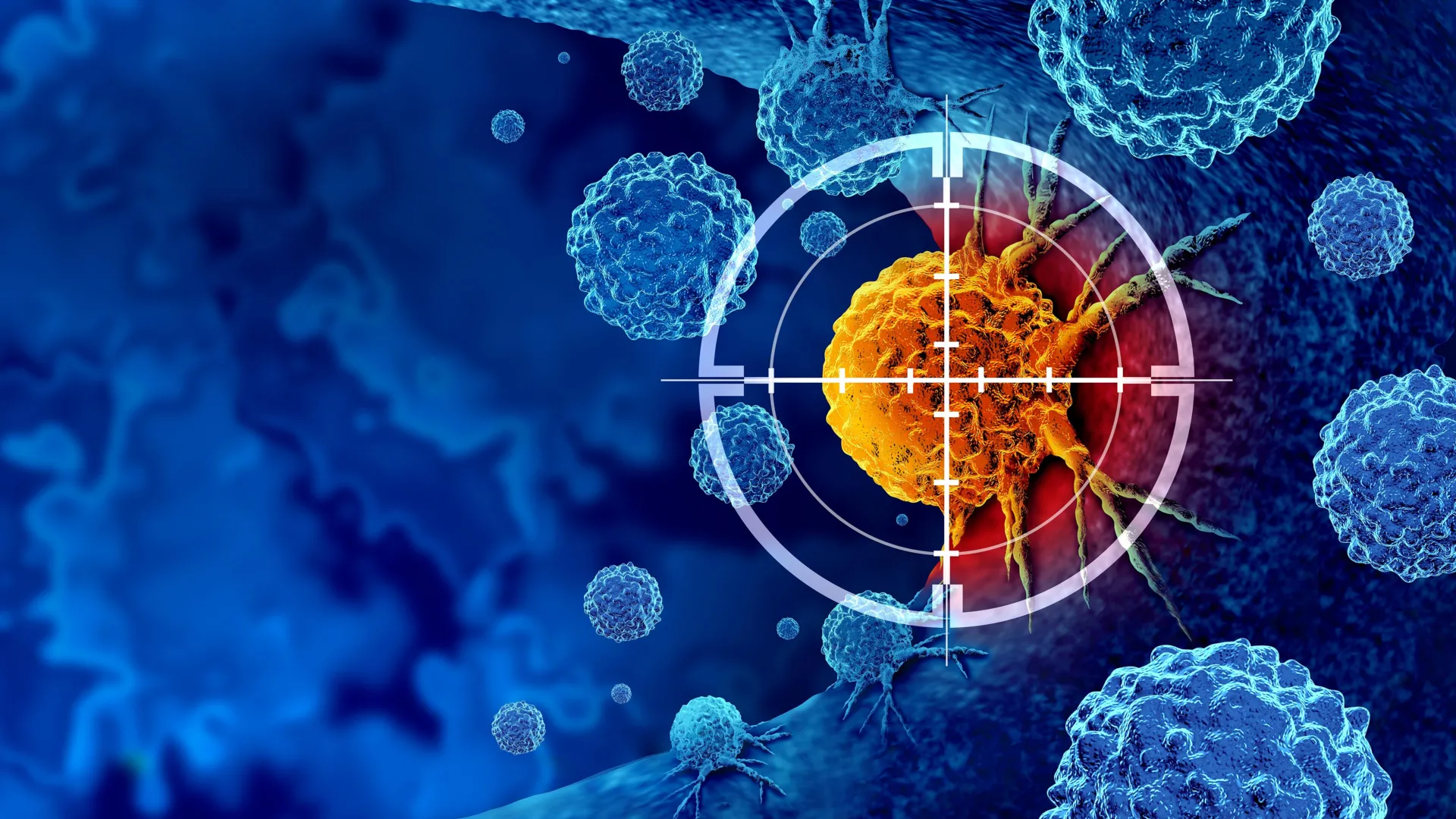
In the landscape of modern oncology, immunotherapy stands as a beacon of hope, promising a future where the body’s own defenses are trained to eradicate malignancy without the devastating collateral damage of traditional chemotherapy or radiation. Yet, for many patients—particularly those with prostate cancer—this promise has remained largely unfulfilled. Prostate tumors are frequently classified as "immune cold," meaning they exist in a state of stealth, effectively invisible to the body’s T cells.
A transformative breakthrough from a collaborative team of researchers, led by scientists at the University of Rochester Medicine and the Duke University School of Medicine, may have finally unlocked the secret to breaking this camouflage. By leveraging an innovative CRISPR-based RNA targeting technology, the researchers have successfully reprogrammed the internal signaling of prostate cancer cells, forcing them to shed their disguise and become vulnerable to immune attack.
The Challenge of the "Immune Cold" Tumor
The central hurdle in treating prostate cancer with immunotherapy is the lack of T-cell infiltration. For a tumor to be successfully targeted by immune checkpoint inhibitors—drugs that "release the brakes" on the immune system—the tumor must first be recognized as foreign or dangerous. In "cold" tumors, this recognition never occurs. The immune system, lacking the necessary signals to identify the malignancy, simply passes over the cancer cells, allowing the tumor to proliferate unchecked.
For years, the scientific community has sought a way to prime these tumors, effectively "warming" them up so that T cells can identify, infiltrate, and destroy the mass. The new study, published in the journal Nature Biomedical Engineering, offers a mechanism to do just that. By manipulating the very instructions that dictate how a cancer cell behaves, researchers have opened a new front in the war against one of the most common malignancies in men.
A Twelve-Year Journey: The Science of Shortened mRNA
The roots of this discovery reach back over a decade. In 2012, Eric J. Wagner, PhD, a co-author of the study and a professor of Biochemistry and Biophysics at the University of Rochester, began studying glioblastoma. His team observed a curious phenomenon: the messenger RNA (mRNA) within these brain cancer cells was consistently shorter than the mRNA found in healthy cells.
Messenger RNA acts as the molecular blueprint, carrying genetic instructions from DNA to the cell’s protein-making machinery. As the team’s research progressed, they discovered that this "shortening" was not an anomaly limited to brain cancer; it was a widespread adaptive strategy utilized by various aggressive cancers.
The Evolutionary Advantage of "Compact" Blueprints
Why would a cancer cell benefit from shorter mRNA? Wagner draws an analogy to the animal kingdom, where hedgehogs or pangolins curl into tight, armored balls to protect their vulnerable areas. In the cellular world, shortened mRNAs are remarkably stable. Because they lack the long, trailing "tails" of normal mRNA, they have less surface area exposed to the cellular enzymes that would typically degrade them.
These compact molecules are effectively "immune" to the standard quality-control mechanisms of the cell. They persist longer, allowing the cancer cell to produce excessive amounts of proteins that facilitate survival, growth, and the ability to evade medical intervention. This structural manipulation is a hallmark of the tumor’s evolutionary "intelligence."
The Molecular Sabotage: How Cancer Shuts Down the Alarm
To understand how this shortening makes a tumor "immune cold," one must look at the MHC-1 (Major Histocompatibility Complex class I) complex. This complex acts as a molecular identification badge on the surface of healthy cells, signaling to the immune system that the cell is a legitimate part of the body. When a cell becomes cancerous, it often suppresses MHC-1, effectively hiding its "bad" status from patrolling T cells.
The research team identified a critical link in this suppression: the protein SPSB1. In prostate cancer cells, the shortening of mRNA leads to the dysregulation of SPSB1. When SPSB1 levels become abnormal, it initiates a chain of events that leads to the degradation or downregulation of the MHC-1 complex. Deprived of this crucial signaling molecule, the tumor becomes a ghost, invisible to the immune system’s most potent soldiers.
CRISPR-Cas13: A New Precision Tool
The breakthrough came when the team developed a way to reverse this process. Utilizing an RNA-targeting version of the CRISPR system—specifically, the CRISPR-Cas13 tool—the researchers engineered a therapy designed not to cut the genetic code, but to edit the behavior of the mRNA molecule.
Unlike traditional CRISPR, which acts like molecular scissors to snip DNA, this version of Cas13 was programmed to act as a "binding clamp." By attaching to a specific section of the mRNA, the tool prevented the cell’s machinery from reaching and shortening the tail of the molecule. By keeping the mRNA at its normal, full length, the researchers were able to normalize the production of the SPSB1 protein.
With SPSB1 levels restored to their natural state, the MHC-1 complex could once again reappear on the surface of the cancer cells. The tumor was no longer "cold"; it was now visibly marked for destruction.
Demonstrating Therapeutic Success
In preclinical models involving mice, the results were striking. When the CRISPR-Cas13 tool was administered, the tumors showed a marked increase in T-cell infiltration. Once the T cells recognized the tumor, they were able to mount an effective attack, leading to significant tumor regression. Furthermore, when this RNA-targeting therapy was combined with existing immune checkpoint inhibitors, the synergistic effect was profound.
Crucially, the team conducted rigorous analysis to ensure the safety of this intervention. They found no evidence of "off-target" effects—meaning the CRISPR tool did not inadvertently alter other genetic signals or harm healthy cells. This precision is the "holy grail" of gene-editing therapies.
Perspectives from the Research Team
"Immune therapy is a monumentally different way to treat cancer, and a great way because you don’t have to give patients terrible drugs that kill the cancer but harm healthy cells in the process," Dr. Wagner stated. "The problem is that some cancers respond well to immune therapy, but others develop resistance or don’t respond at all. Our tool strengthens the immune system’s ability to make the cancer go away and could be used in conjunction with existing immunotherapies in prostate and potentially other immune-cold tumor types."
Wagner, who also serves as co-director of the Center for RNA Biology and is a member of the Wilmot Cancer Institute’s Genetics, Epigenetics and Metabolism research program, emphasized the novelty of the approach. "No one has ever done this before. It’s an excellent preclinical model showing that mRNAs can be forced to re-lengthen, and when they do, there’s therapeutic benefit," he said.
He maintains a pragmatic but optimistic outlook on the evolution of cancer: "Cancer is super smart at evolving, but it’s not a magician. If we can hit it with immunotherapy and another synergistic drug that pumps up the immune response, we could potentially cure it. It won’t be able to evolve fast enough."
Implications for Future Oncology
The potential implications of this study extend far beyond prostate cancer. The researchers have already begun looking toward the future, with pilot funding secured from the Wilmot Cancer Institute and the Roswell Park Comprehensive Cancer Center. Their next objective is to test whether this RNA-lengthening technology can be applied to pancreatic cancer—a notoriously aggressive malignancy that is widely considered the ultimate "immune cold" tumor.
If the technology proves successful in broader applications, it could fundamentally change the treatment algorithm for patients who currently have few options. By focusing on the structural biology of mRNA, the team has provided a blueprint for converting resistant tumors into responsive ones.
The Path to Clinical Trials
While the results in mice are encouraging, the transition to human clinical trials will require extensive safety testing and the development of delivery systems capable of reaching tumor sites in the human body. However, the use of RNA-targeting technology offers an advantage: it is temporary and does not alter the patient’s permanent DNA sequence. This makes it a significantly safer alternative to DNA-editing therapies, reducing the risk of permanent genetic mutations.
As the scientific community digests these findings, the research stands as a testament to the power of basic discovery. By tracing a twelve-year-old observation about mRNA shortening to a high-precision CRISPR application, the team has demonstrated that the most effective way to defeat cancer may be to force it to show its true colors. With continued funding from the National Cancer Institute and further collaborative efforts, this experimental technology may one day become a cornerstone of personalized immunotherapy, providing a new lifeline for patients battling the most elusive forms of cancer.