






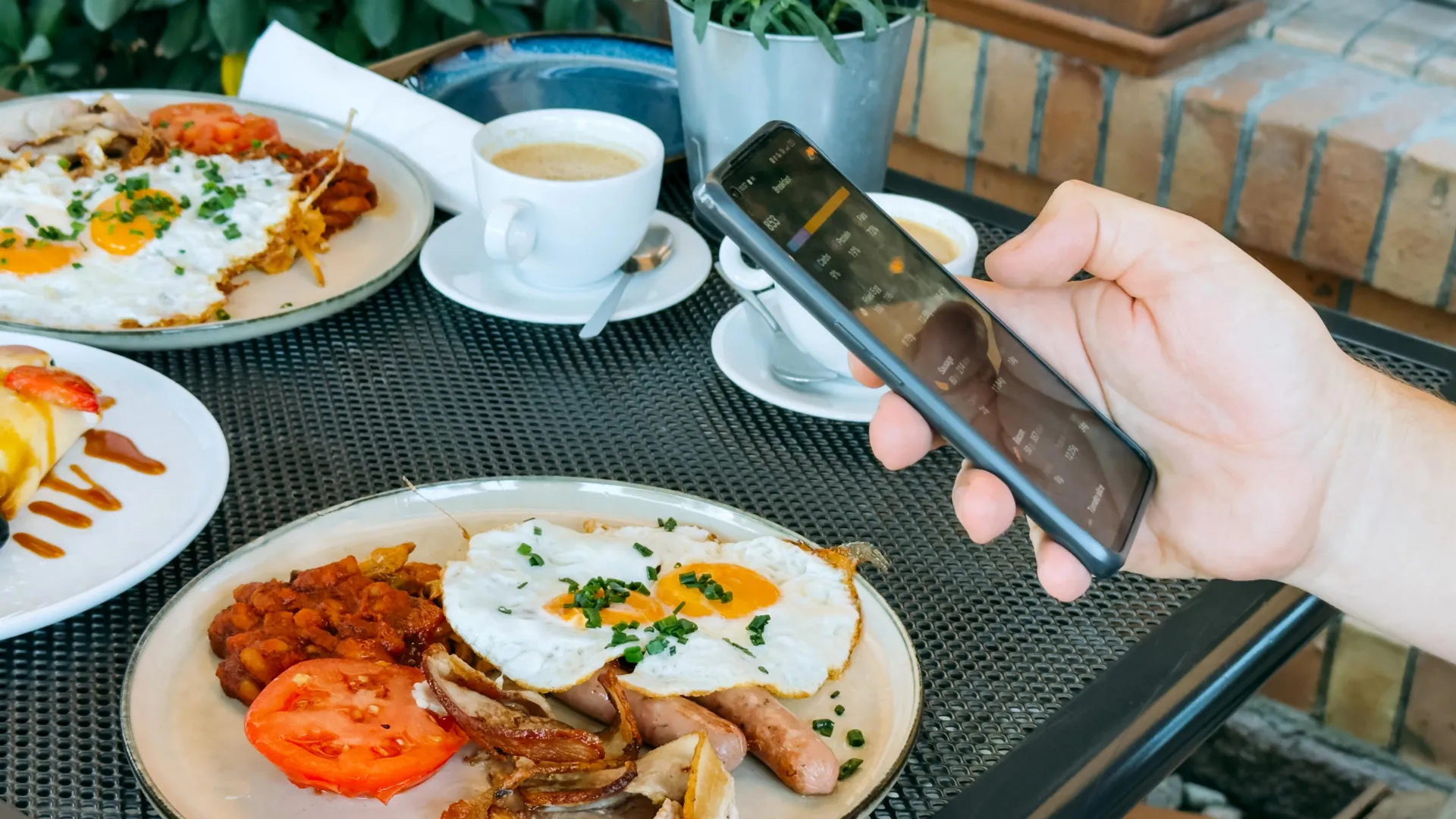
In an era defined by the pursuit of data-driven wellness, millions of individuals have turned to artificial intelligence to solve the age-old problem of nutritional monitoring. The promise is seductive: simply snap a photo of your plate, and a sophisticated algorithm will instantly calculate your caloric intake, macro breakdown, and portion sizes. It is a technological marvel that replaces tedious food diaries with the click of a shutter.
However, new, high-stakes research presented at the American Society for Nutrition’s flagship meeting, NUTRITION 2026, suggests that the "photo-diet" revolution may be built on shaky foundations. A comprehensive study led by researchers at the National Institute of Diabetes and Digestive and Kidney Diseases (NIDDK) indicates that popular AI-powered calorie tracking apps are significantly underestimating the nutritional content of meals, potentially leaving users in a caloric deficit they didn’t intend—or failing those trying to manage metabolic health.
The Core Discrepancy: A Failure of Estimation
The study, which evaluated four prominent applications—MyFitnessPal, LoseIt!, CalAI, and Appediet—revealed a systemic trend toward underestimation. On average, these digital tools missed the mark by a staggering 250 to 345 calories per meal. Perhaps even more concerning for those tracking macros is the discrepancy in fat content, which was consistently underestimated by approximately 30 grams per meal.
For the average consumer, a 300-calorie discrepancy per meal is not a minor rounding error; it represents a significant portion of a daily intake. For an individual consuming three meals a day, this could mean an unaccounted surplus or deficit of nearly 1,000 calories daily. Whether the goal is weight loss, muscle gain, or therapeutic dietary management, this margin of error undermines the very precision these apps claim to provide.
A Rigorous Methodology: The Gold Standard of Testing
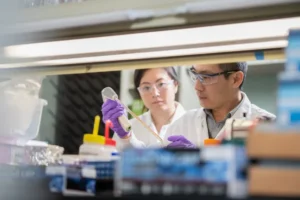
The researchers, led by postdoctoral fellow Aaron Hengist and postbaccalaureate fellow Olivia Charles, sought to move beyond anecdotal reports of app inaccuracy. Their study was nested within a broader, high-precision clinical trial at the NIH Clinical Center, which investigates how the human body metabolizes nutrients under different dietary paradigms, specifically comparing standard diets to low-carbohydrate, ketogenic protocols.
The Controlled Kitchen Advantage
Unlike previous studies that relied on self-reported data or estimates, this research utilized meals prepared in a tightly controlled metabolic kitchen. Ingredients were measured to the nearest 0.1 gram, providing an incontrovertible "ground truth" for the nutritional content of every meal.
"By using meals prepared in a tightly controlled metabolic kitchen, we were able to compare the apps’ estimates against a precise reference," Hengist explained. "This kind of direct, high-quality comparison hasn’t been available before."
The team compiled a dataset of 102 standardized meal photographs, which were then fed into the four chosen apps. By comparing the AI-generated outputs against the laboratory-verified nutritional values, the researchers were able to quantify exactly where and how these algorithms faltered.
Chronology of the Investigation
The investigation into the efficacy of these digital tools unfolded in distinct phases, reflecting a commitment to scientific rigor:
- Phase I (Baseline Testing): Researchers utilized the initial 102 meals to test the baseline accuracy of MyFitnessPal, LoseIt!, CalAI, and Appediet. This phase established the 250–345 calorie shortfall trend.
- Phase II (Macronutrient Analysis): The team analyzed the apps’ ability to track specific macros. They discovered that while carbohydrate estimates were relatively consistent across the board, fat and protein estimates showed wide variance and consistent under-reporting.
- Phase III (The Keto Challenge): Recognizing that AI might struggle with high-fat, low-carb compositions, the team expanded their research to include over 200 additional meals, focusing specifically on ketogenic diet profiles.
- Phase IV (Presentation): The findings were formally presented at NUTRITION 2026 in National Harbor, Maryland, on July 25, 2026, by Olivia Charles, sparking a wider conversation about the necessity of validation for consumer health technology.
The "Fat Factor": Why AI Struggles with Keto
The study’s most intriguing finding lies in the difficulty these AI models face when processing fat-dense meals. In the follow-up phase involving over 200 meals, preliminary data indicated that the algorithms struggled significantly with ketogenic diets.
Because ketogenic meals are defined by high fat content—often in the form of oils, butter, or dense protein sources—the AI’s inability to "see" volume beneath the surface of the food likely leads to these massive underestimations. An AI model trained to identify a piece of chicken can easily gauge its size, but it is far less adept at estimating the volume of invisible fats, sauces, or oils that may be coating that chicken.
"These apps tend to underestimate calories, especially from fats, so what they actually ate is likely higher than what the app shows," Hengist noted.
Implications: Can You Trust Your App?
The implications of this research are far-reaching. Millions of people use these apps not just for convenience, but as part of clinical weight management programs or to manage chronic conditions where precise nutritional intake is vital.
The "Grain of Salt" Warning
The research team is not suggesting that consumers abandon these tools entirely. Instead, they are advocating for a "hybrid approach." By combining the convenience of photo-based scanning with traditional, manual verification—or at least an awareness of the app’s limitations—users can mitigate the risks of skewed data.
The Regulatory Gap
The study also highlights a broader regulatory concern: consumer health apps often bypass the rigorous, peer-reviewed scrutiny applied to medical devices. While these apps are marketed as health aids, the lack of transparency in how their algorithms are trained and validated creates a "black box" effect. When users input data, they trust the output as a scientific fact; this study suggests that, currently, that trust is often misplaced.
Future Improvements
For the developers behind these apps, the NIDDK research serves as a roadmap for improvement. If AI is to become a reliable tool for clinical-grade nutrition tracking, developers must move beyond basic image recognition. Incorporating volume-estimation AI, better database integration for macro-dense foods, and user-friendly "correction" features will be essential to bridging the current accuracy gap.
Official Perspectives and Scientific Cautions
It is essential to note that the findings presented by Hengist and Charles, while groundbreaking, are categorized as preliminary. The results were shared as part of an abstract at NUTRITION 2026 and have not yet undergone the full rigors of a peer-reviewed journal publication.
The American Society for Nutrition, through its committee of experts, vetted the abstract for scientific merit, but the research community remains cautious. "Abstracts presented at NUTRITION 2026 were reviewed and selected by a committee of experts," the organizers stated. "However, they have generally not completed the full peer review process required for publication in a scientific journal. The results should therefore be considered preliminary until they appear in a peer-reviewed publication."
Despite this, the sheer scale of the error—a consistent ~300-calorie miss—is difficult to ignore. It suggests a fundamental limitation in the current iteration of computer vision technology as applied to complex, non-standardized food items.
Conclusion: Bridging the Digital-Biological Divide
The marriage of AI and nutrition represents one of the most exciting frontiers in digital health. However, as the NIDDK research demonstrates, there is a substantial "digital-biological divide." A photograph of a meal is a two-dimensional representation of a three-dimensional, highly variable biological experience. Until technology can better account for density, preparation methods, and the nuanced macro-composition of high-fat meals, these tools should be viewed as estimates rather than precise instruments.
For now, the advice from the researchers is clear: use the technology for its convenience, but do not surrender your own nutritional intuition to the algorithm. If you are tracking calories for a specific health goal, consider the "photo-check" as a starting point, not the final word. In the world of metabolic health, the human eye—and perhaps a reliable kitchen scale—still holds a significant advantage over even the most advanced AI.